

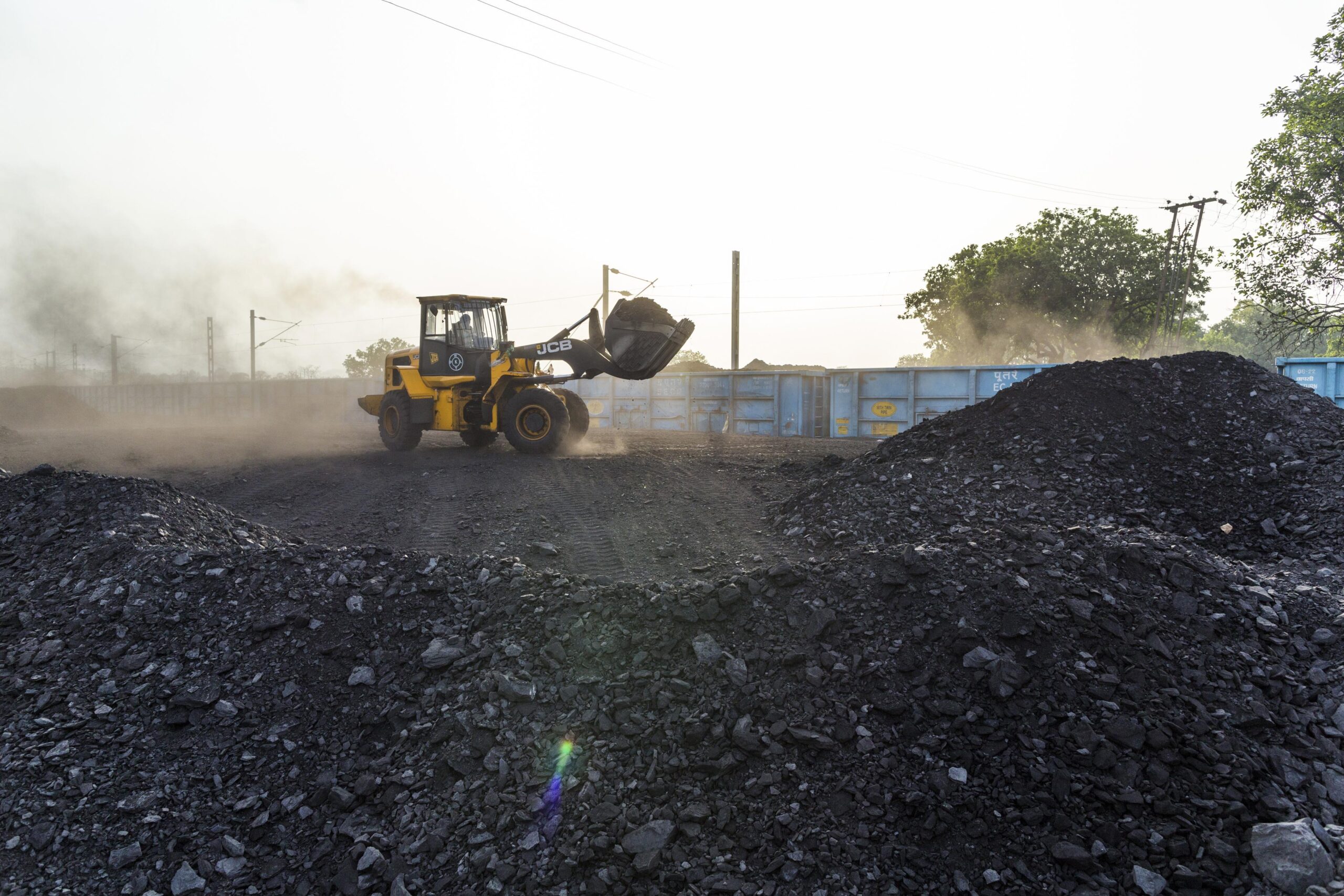
The Ministry of Statistics and Programme Implementation (MoSPI) is considering the inclusion of coal asset valuation in India’s national accounts framework, a move that could provide a more comprehensive assessment of the country’s natural resource wealth and economic assets.
The proposal is part of broader efforts to strengthen environmental-economic accounting and align India’s statistical systems with evolving international standards for measuring natural capital. By incorporating the value of coal reserves into national accounts, policymakers would gain deeper insights into the contribution of mineral resources to the nation’s overall wealth and long-term economic sustainability.
Officials involved in the discussions indicated that the initiative aims to improve the measurement of natural resource assets by assigning economic value to coal deposits based on factors such as reserve size, extraction potential, market conditions, and future revenue generation. The approach would complement traditional economic indicators such as Gross Domestic Product (GDP), which primarily measures economic activity rather than resource wealth.
India possesses some of the world’s largest coal reserves, with coal continuing to play a critical role in electricity generation, industrial production, and energy security. The proposed valuation framework could help policymakers better assess resource depletion, investment needs, and the long-term economic implications of coal extraction.
Experts note that integrating natural resource accounting into national statistics is becoming increasingly important as governments seek to balance economic growth with sustainable resource management. Several countries have adopted frameworks based on the United Nations’ System of Environmental-Economic Accounting (SEEA), which incorporates environmental assets into national accounting systems.
The inclusion of coal asset valuation could also support more informed policy decisions related to energy transition planning, mining investments, and fiscal management. It may provide a clearer picture of how resource wealth contributes to national prosperity while highlighting the importance of efficient and sustainable utilization of mineral assets.
While discussions are still at a preliminary stage, the move reflects India’s growing focus on modernizing its statistical framework and improving the measurement of both economic output and natural capital. Analysts believe the initiative could pave the way for the future inclusion of other mineral and natural resource assets in the country’s national accounts system.