
Human Rights Allegations at Critical Minerals Mines Surge 73% Amid Energy Transition Boom

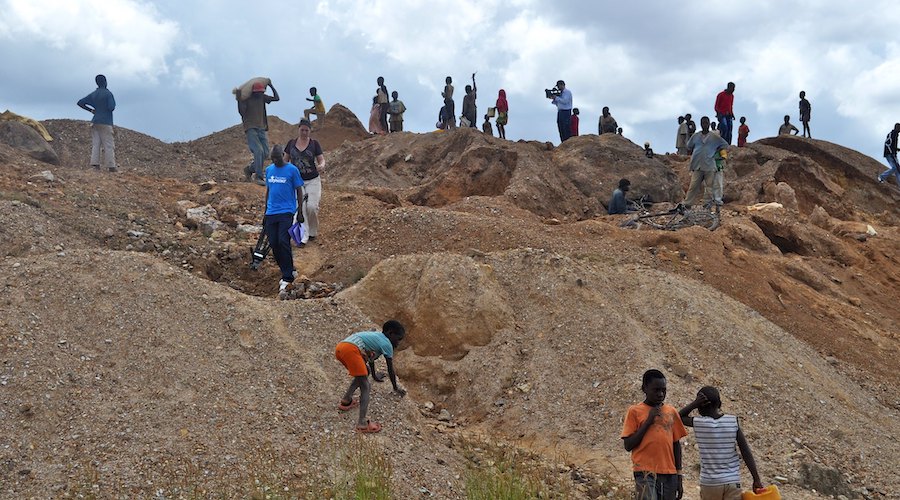
Human rights allegations linked to critical minerals mining operations have surged by 73%, highlighting growing concerns over the social impact of the global race to secure resources essential for the clean energy transition. A new analysis indicates that reports involving labor abuses, community displacement, environmental harm, and violations of indigenous rights are rising as demand for minerals such as lithium, cobalt, nickel, copper, and rare earth elements continues to expand.
The increase in allegations comes as governments and companies worldwide accelerate investments in critical minerals needed for electric vehicles, renewable energy systems, battery storage, and advanced technologies. Industry experts warn that while the energy transition is vital for addressing climate change, it must not come at the expense of human rights and responsible resource development.
According to researchers, many allegations involve disputes over land access, inadequate consultation with local communities, unsafe working conditions, and concerns related to water use and environmental degradation. Several cases have been reported in major mining regions across Latin America, Africa, and parts of Asia, where mineral-rich areas often overlap with indigenous territories and vulnerable communities.
Human rights advocates argue that stronger oversight and transparency are needed throughout global mineral supply chains. They are calling on mining companies, governments, and downstream manufacturers to strengthen due diligence processes and ensure that projects comply with internationally recognized environmental, social, and governance (ESG) standards.
Mining industry representatives acknowledge the challenges but note that many companies have increased investments in community engagement, worker safety programs, and sustainability initiatives. Several major miners have also adopted stricter reporting requirements and human rights policies aimed at improving accountability across operations and supply chains.
The rise in allegations underscores the growing scrutiny facing the mining sector as demand for critical minerals continues to increase. Investors, regulators, and consumers are placing greater emphasis on responsible sourcing, making social performance an increasingly important factor in project approvals and long-term investment decisions.
Analysts say the findings serve as a reminder that achieving global climate and energy goals will require not only increased mineral production but also stronger safeguards to ensure that mining development benefits local communities and respects human rights.