

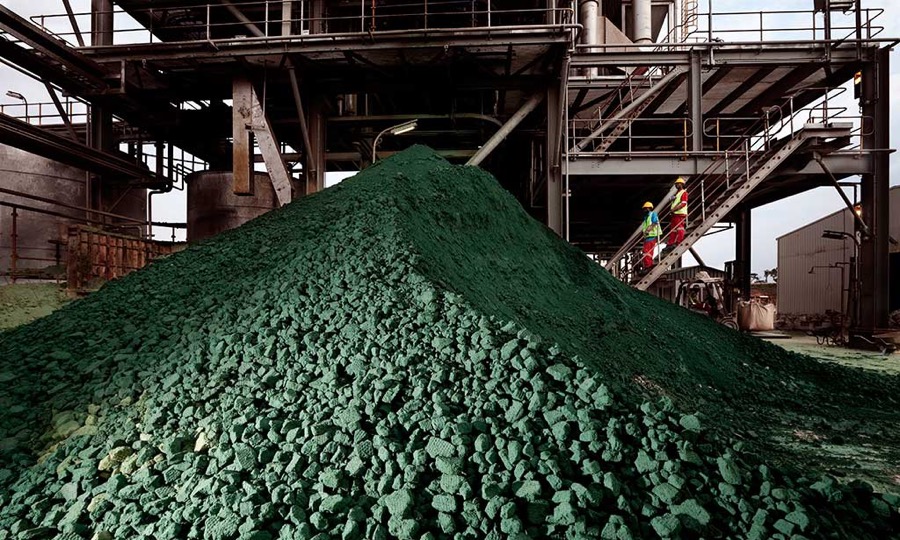
Kinshasa: The Democratic Republic of Congo (DRC) has announced a ban on the export of copper and cobalt concentrates, according to an official government order, in a move aimed at promoting domestic mineral processing and increasing value addition within the country.
The new policy is expected to encourage mining companies operating in the DRC to process copper and cobalt locally before export, supporting the government’s broader strategy to strengthen the country’s industrial base and capture greater economic value from its vast mineral resources.
The DRC is the world’s largest producer of cobalt and one of the leading producers of copper, making the policy significant for global supply chains. Copper and cobalt are essential raw materials for electric vehicles, rechargeable batteries, renewable energy systems, and advanced electronics.
Government officials have said the export restriction is designed to attract investment in local smelting and refining facilities, create employment opportunities, and reduce the country’s reliance on exporting unprocessed mineral products. The move aligns with a broader trend among resource-rich nations seeking to expand domestic beneficiation and industrial development.
Industry analysts believe the export ban could reshape international supply chains by increasing demand for processing infrastructure within the DRC while creating short-term adjustments for companies that currently rely on overseas refining capacity. Mining firms may need to accelerate investments in local processing facilities or revise their export strategies to comply with the new regulations.
The decision could also have implications for global markets, particularly at a time when demand for battery metals continues to rise due to the rapid growth of electric mobility and clean energy technologies. Any disruption in the flow of copper and cobalt concentrates could influence pricing and supply dynamics in international commodity markets.
Experts note that while the policy has the potential to generate long-term economic benefits for the DRC, its success will depend on the country’s ability to expand reliable power supply, transport infrastructure, skilled workforce, and processing capacity to support increased domestic refining.
As countries compete to secure supplies of critical minerals, the DRC’s latest policy highlights the growing emphasis on developing integrated mining value chains that extend beyond extraction to include refining, manufacturing, and higher-value industrial activities. The move is expected to play a significant role in shaping the future of the global copper and cobalt markets.