
DRC Probes How Thousands of Tonnes of Uranium May Have ‘Leaked’ Into Cobalt Exports

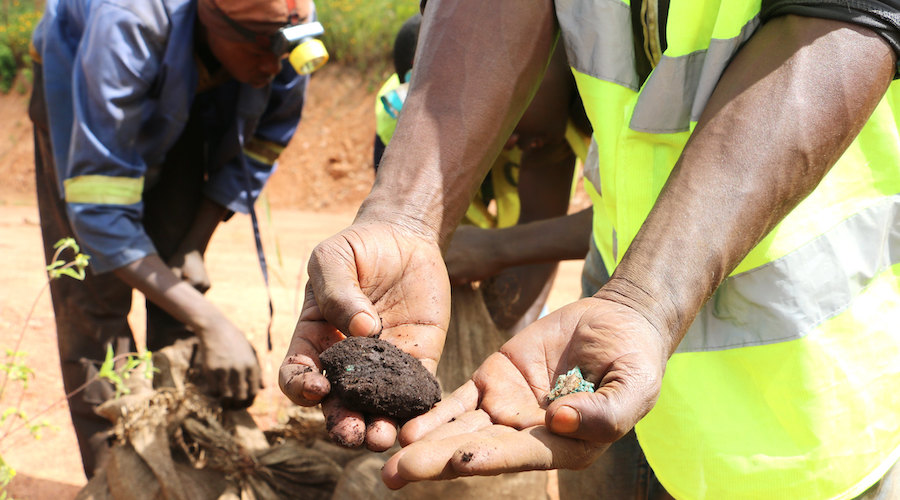
Kinshasa: The Democratic Republic of Congo (DRC) has launched an investigation into the possible movement of large quantities of naturally occurring uranium through its cobalt export supply chain, raising concerns over nuclear safeguards, environmental protection and worker safety.
The probe follows a study published in Nature Communications that estimates between 2,000 and 5,000 tonnes of natural uranium may have been exported from the DRC between 2000 and 2024 embedded in cobalt-hydroxide shipments. The researchers said less than 10% of the estimated material appears to have been publicly declared and placed under international safeguards.
The uranium-cobalt connection stems from the geology of the DRC’s Copperbelt, where uranium naturally occurs alongside cobalt-bearing ores. During hydrometallurgical processing, uranium can follow cobalt into crude cobalt hydroxide, the main export form for more than 95% of the country’s cobalt production, according to the study.
The findings have prompted the Congolese government to strengthen scrutiny of cobalt shipments. Authorities have said they will test exported cobalt hydroxide for uranium and establish a working group to examine the research findings. The government also plans consultations with the International Atomic Energy Agency (IAEA) for technical assistance.
The issue is particularly significant because the DRC is the world’s leading source of cobalt, a critical mineral used extensively in batteries and other technologies linked to the global energy transition. Researchers estimate that around 65% of the uranium potentially carried in cobalt-hydroxide exports was shipped to Chinese-owned companies, which play a major role in global cobalt refining.
Beyond exports, the study estimates that an additional 1,000 to 4,000 tonnes of uranium may have accumulated in mining and processing tailings. Researchers warned that uranium in easily mobilised waste streams could create environmental and health risks for workers and nearby communities.
DRC officials have indicated that the study’s estimates require independent verification, including site-specific testing. Proposed measures include stronger radiation monitoring and improved testing of mineral shipments.
The investigation could ultimately lead to tighter controls over the country’s critical-mineral supply chain and greater international scrutiny of how uranium is accounted for when it occurs as a byproduct of cobalt mining.