
Trump’s Critical Minerals Pricing Plan Faces Skepticism from G7 Allies and Industry Leaders

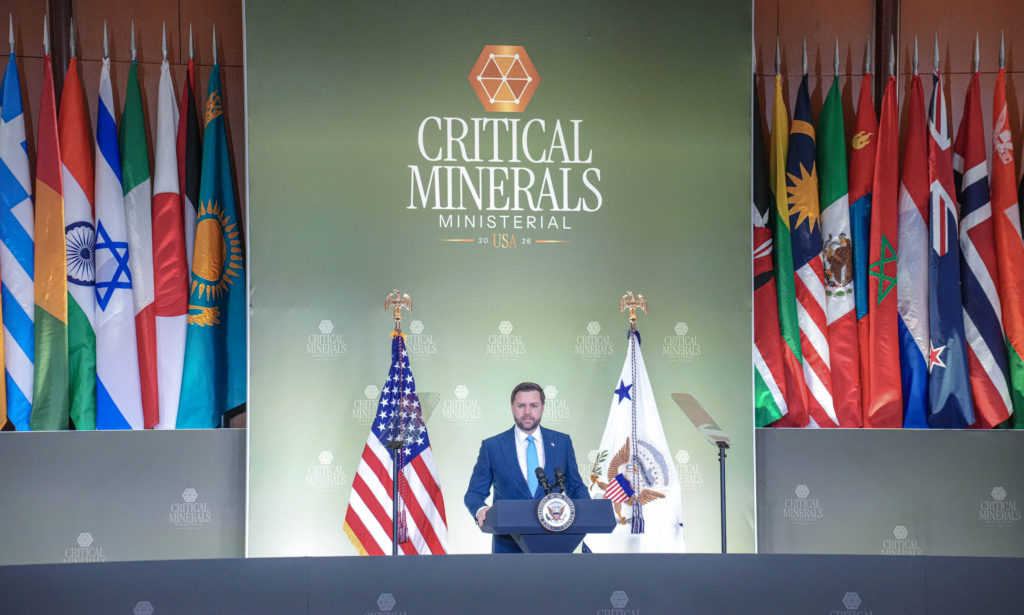
Proposal to Stabilize Strategic Mineral Markets Sparks Debate Over Government Intervention and Global Trade
WASHINGTON, June 16: U.S. President Donald Trump’s proposed plan to influence pricing in critical minerals markets is encountering resistance from both G7 allies and sections of the mining industry, highlighting divisions over how to secure supply chains for materials essential to modern technology and national security.
The proposal, aimed at supporting domestic production of key minerals such as lithium, cobalt, nickel, graphite, and rare earth elements, seeks to reduce market volatility and lessen dependence on foreign suppliers. Administration officials argue that stronger pricing mechanisms could encourage investment in mining projects and strengthen supply chain resilience.
However, several G7 partners have reportedly expressed concerns about potential market distortions and the risk of undermining international trade principles. Diplomats and trade officials fear that direct government involvement in mineral pricing could trigger disputes among allies and complicate efforts to build coordinated supply chains.
Industry reaction has also been mixed. Some mining companies support measures that could provide greater certainty for long-term investments, particularly as fluctuating commodity prices have delayed or canceled projects in recent years. Others warn that artificial pricing mechanisms could discourage competition and create unintended consequences across global markets.
Critical minerals have become increasingly important as nations race to secure supplies needed for electric vehicles, renewable energy technologies, advanced manufacturing, and defense systems. Governments worldwide are investing billions of dollars to reduce reliance on concentrated supply sources and expand domestic production capacity.
Economic analysts note that balancing national security concerns with free-market principles remains a major challenge. While policymakers seek to strengthen strategic industries, investors and trading partners continue to advocate for transparent and market-driven pricing systems.
The debate is expected to feature prominently during discussions among G7 leaders, where critical minerals security has emerged as a key economic and geopolitical issue. The outcome could shape future international cooperation on resource development, supply chain diversification, and industrial policy.