

Prospects of Reopened Trade Routes and Restored Metal Shipments Weigh on Industrial Metals Market
LONDON, June 16: Aluminum prices fell sharply on international markets as investors welcomed signs of progress toward a peace agreement involving Iran, easing concerns over supply disruptions that had driven the metal to multi-year highs in recent months.
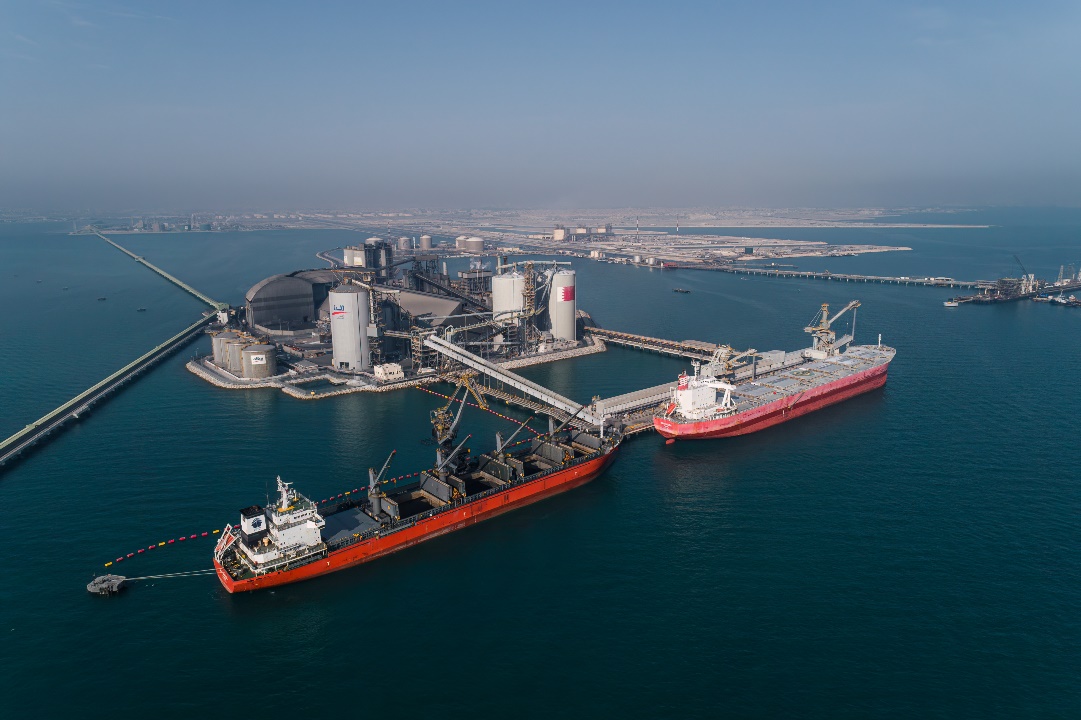
The decline followed reports that a preliminary agreement could pave the way for the reopening of key shipping routes, including the Strait of Hormuz, a vital corridor for global commodity trade. Market participants believe the easing of geopolitical tensions could restore aluminum exports and improve supply chain stability across international markets.
Aluminum had surged earlier this year amid fears that conflict in the Middle East would disrupt production and transportation from a region responsible for a significant share of global aluminum output. Attacks on major smelting facilities and restrictions on maritime trade had intensified concerns over a prolonged supply crisis.
Analysts said the latest peace developments have reduced the immediate risk premium built into aluminum prices. Investors are increasingly betting that improved regional stability will allow manufacturers and exporters to resume normal operations, helping rebalance global supply and demand.
Despite the recent decline, industry experts caution that uncertainty remains. Full restoration of production capacity, shipping networks, and infrastructure could take months, and markets are expected to remain sensitive to any setbacks in diplomatic negotiations.
The broader commodities market also reacted to the developments, with oil prices retreating as traders anticipated increased energy supplies and reduced geopolitical risk. The easing of inflation concerns has boosted investor sentiment across global financial markets.
For now, aluminum traders are closely monitoring diplomatic talks and shipping activity in the Gulf region, as the future direction of prices will likely depend on whether the tentative peace agreement translates into sustained improvements in supply conditions.