

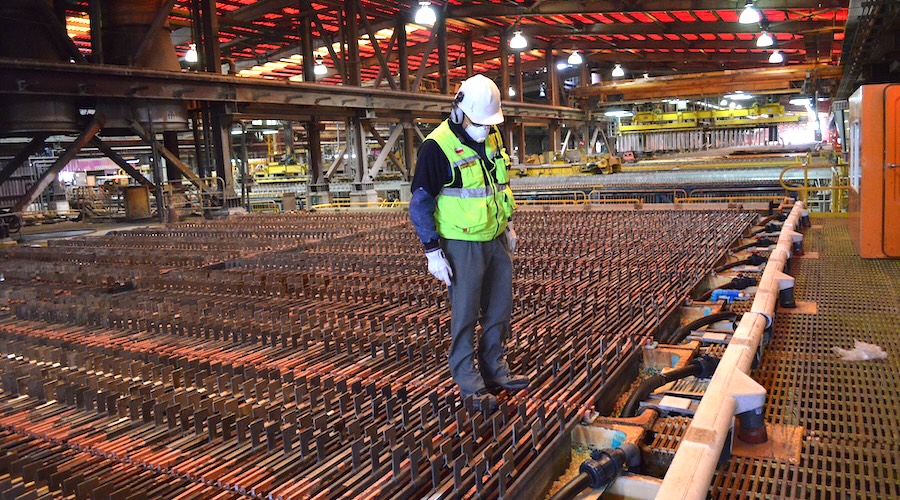
New Delhi: The next major disruption to the global mining industry is likely to originate beyond the mine itself, according to a new study that highlights growing vulnerabilities across the broader mineral supply chain. Researchers warn that bottlenecks in processing, transportation, energy availability, and refining capacity could trigger supply shocks even when mining operations remain stable.
The study suggests that while significant attention has traditionally been placed on mineral extraction, downstream activities such as processing, smelting, logistics, and manufacturing have become equally critical to ensuring uninterrupted supplies of essential raw materials.
With global demand for critical minerals such as copper, lithium, nickel, cobalt, and rare earth elements rising sharply due to the clean energy transition, electric vehicle production, and expanding digital infrastructure, supply chain resilience has become a major concern for governments and industries alike.
According to the report, geopolitical tensions, export restrictions, energy shortages, climate-related disruptions, and limited processing capacity could have a greater impact on mineral availability than production issues at mining sites. Many countries remain heavily dependent on a small number of processing hubs, creating concentration risks that could disrupt global markets.
Industry analysts note that refining and processing infrastructure often requires years of investment and regulatory approvals, making it difficult to quickly respond to sudden increases in demand or unexpected supply interruptions. Transportation challenges, including port congestion and shipping delays, can further amplify market volatility.
The study also highlights the importance of diversifying supply chains, expanding domestic processing capabilities, investing in recycling technologies, and strengthening strategic partnerships between mineral-producing and mineral-consuming nations. Such measures could reduce dependence on a limited number of suppliers while improving long-term supply security.
For countries pursuing ambitious clean energy goals, ensuring reliable access to critical minerals has become a strategic priority. Governments across the world are increasingly encouraging investments in refining facilities, battery material manufacturing, and circular economy initiatives to build more resilient supply networks.
Experts believe the findings serve as a reminder that the future stability of the mining sector will depend not only on extracting more minerals but also on strengthening every link in the value chain—from processing plants and transport networks to energy infrastructure and advanced manufacturing.
As demand for critical minerals continues to accelerate, the study concludes that building resilient, diversified, and sustainable supply chains will be essential to avoiding future supply shocks and supporting the global transition to a low-carbon economy.