
Canadian Uranium Eyes Strategic Acquisitions as Rook II Exploration Gains Momentum in Saskatchewan

SASKATCHEWAN, Canada, November 7, 2026: Canadian Uranium Corp. is positioning itself for a larger role in Canada’s uranium exploration industry, pursuing potential acquisitions and joint ventures while advancing exploration plans at its Rook II property in northern Saskatchewan.
The company’s strategy comes amid growing global demand for uranium, driven by renewed investment in nuclear energy, rising electricity consumption and the expansion of energy-intensive artificial intelligence data centres.
Arni Johannson, an adviser to Canadian Uranium and an experienced uranium investor, has indicated that the company is actively evaluating opportunities to expand its portfolio in the Athabasca Basin, one of the world’s most important uranium-producing regions.
According to Johannson, negotiations are underway involving a publicly listed company, an additional mineral property and potential joint venture arrangements. He has also suggested that the company’s capital structure has been designed to support future mergers and acquisitions.
Rook II Emerges as a Key Exploration Priority
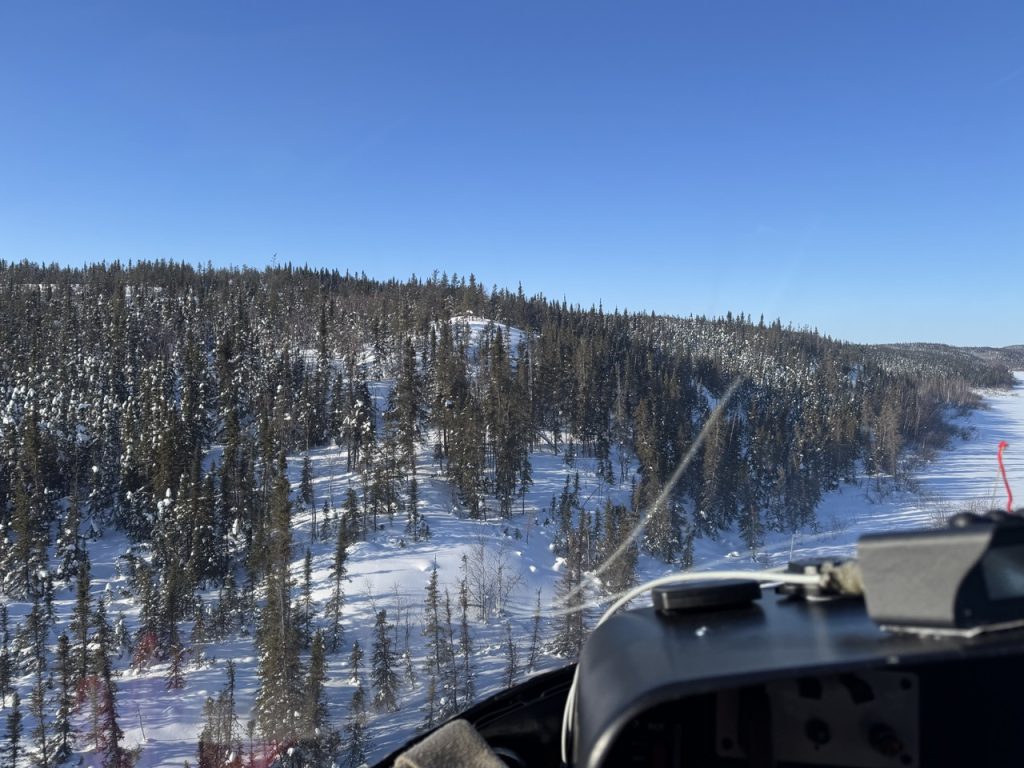
Canadian Uranium’s immediate focus is its Rook II property, covering approximately 18,941 hectares in northern Saskatchewan.
Located around 40 kilometres east of Stony Rapids and approximately 10 kilometres northeast of the Athabasca Basin’s northern margin, the property contains 28 documented uranium occurrences.
On October 27, 2026, the company announced the filing of an independent NI 43-101 technical report outlining historical exploration results and a phased approach to evaluating the property’s uranium potential.
Historical estimates referenced in the report include up to 45 million pounds of uranium oxide (U₃O₈) associated with the Charlebois Lake pegmatite complex.
However, the company has clarified that these historical estimates have not been verified under current standards and should not be considered established mineral resources or reserves.
The next stage will involve reassessing historical geological information and applying modern exploration techniques to determine whether the property contains economically significant uranium mineralisation.
Modern Exploration and 6,000-Metre Drilling Plan
Canadian Uranium is integrating historical drilling records, geological information and geophysical survey data into a digital geological model using ArcGIS technology.
The approach is intended to improve the identification of prospective geological structures and establish more precise exploration targets.
The technical report recommends an initial programme involving approximately 35 line-kilometres of ground magnetic and radiometric surveys, alongside approximately 35 line-kilometres of induced polarisation surveys in selected areas.
A subsequent exploration phase recommends approximately 6,000 metres of drilling.
The company is also considering deeper drilling to investigate the continuity of uranium mineralisation. Historical drilling in several areas reached depths of approximately 100 metres, while the proposed exploration strategy includes testing selected targets at depths of 300 to 400 metres.
The programme could include drilling alongside historical holes to verify earlier results and establish whether previously identified mineralisation extends into deeper geological structures.
The ultimate objective is to develop a reliable understanding of the property’s potential and, if supported by exploration results, establish a current mineral resource estimate.
Building on the Rook I Success Story
Canadian Uranium’s interest in the region is also connected to the development of the neighbouring Rook I project, which hosts NexGen Energy’s Arrow uranium deposit.
NexGen Energy has begun construction activities at its Rook uranium project, backed by an estimated C$2.2 billion capital expenditure plan.
The project represents one of Canada’s most significant development-stage uranium opportunities and highlights the strategic importance of the Athabasca Basin.
Johannson previously founded Titan Uranium, which undertook early exploration activities at Rook I before the property became associated with NexGen Energy’s development plans.
His experience in the region is influencing Canadian Uranium’s strategy of identifying prospective properties, consolidating mineral assets and advancing exploration before pursuing larger development opportunities.
The company has also evaluated approximately 80 to 90 projects, primarily within the Athabasca region, before selecting its initial portfolio.
Beyond Rook II, its exploration interests include the King South and Castle South properties.
Expansion Beyond Canada
Canadian Uranium’s ambitions are not limited to Saskatchewan.
Johannson has indicated that the company is exploring opportunities to establish a presence in Riyadh, Saudi Arabia, while examining potential uranium exploration opportunities in the Middle East.
The company has also reported interest from Middle Eastern investors in a possible financing arrangement before the end of 2026.
A broader international strategy could provide access to additional capital and new exploration opportunities as governments increasingly prioritise secure nuclear fuel supplies.
Meanwhile, Canadian Uranium intends to keep operating costs controlled during its early growth phase, with plans to expand its technical workforce in Saskatoon from the first quarter of 2027.
Canada’s Uranium Ambitions Strengthen Investment Outlook
The company’s expansion plans come at a time when Canada is seeking to strengthen its position in the global nuclear energy supply chain.
The Canadian government has outlined ambitions to double uranium exports by 2035 as countries look to diversify fuel supplies and accelerate nuclear energy development.
Canada’s established uranium production, geological potential and mining infrastructure provide an important foundation for attracting international investment.
The Athabasca Basin, particularly in northern Saskatchewan, remains central to these ambitions because of its globally recognised uranium deposits and established exploration ecosystem.
Acquisition Strategy Could Reshape Company’s Growth
Canadian Uranium’s combination of exploration and acquisition ambitions reflects a broader strategy to build a diversified uranium business rather than depend on a single mineral property.
Potential transactions, joint ventures and international partnerships could expand its asset base and strengthen its position in the competitive uranium exploration market.
However, the success of this strategy will depend on the company’s ability to secure financing, complete proposed transactions, obtain regulatory approvals and demonstrate commercially meaningful exploration results.
For now, Rook II remains an early-stage exploration opportunity with substantial historical data awaiting modern verification.
As global interest in nuclear energy continues to grow, Canadian Uranium’s next exploration and acquisition decisions could become important developments in Saskatchewan’s evolving uranium industry.