
Critical Minerals, Strategic Stakes: India Intensifies Efforts to Reduce Dependence on China’s Supply Chain Dominance

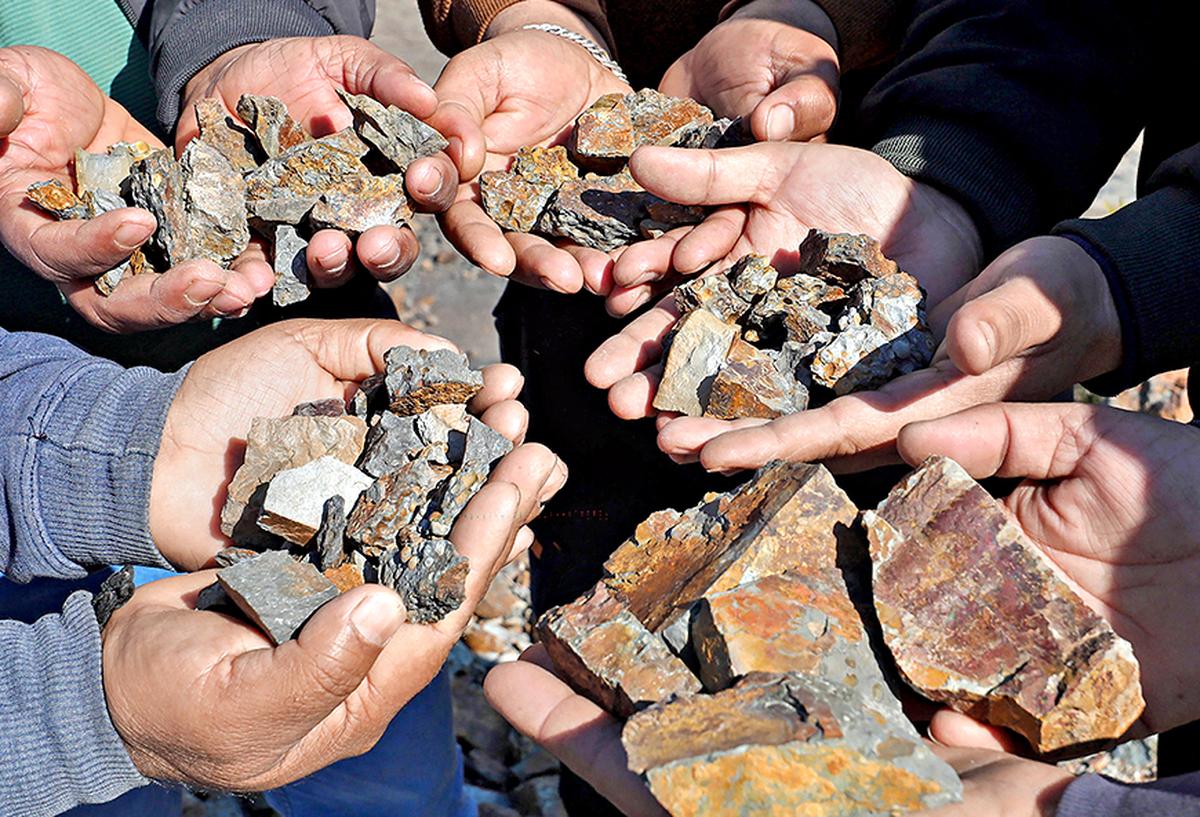
India is accelerating its push to secure critical mineral supplies as it seeks to reduce its dependence on China and strengthen its position in the global clean energy and technology sectors. With demand for minerals such as lithium, cobalt, nickel, graphite, and rare earth elements expected to surge, New Delhi is treating mineral security as a strategic priority.
Critical minerals are essential for a wide range of industries, including electric vehicles, renewable energy, electronics, telecommunications, and defense manufacturing. However, China currently dominates significant portions of the global supply chain, from mining and refining to processing and manufacturing, giving it considerable influence over international markets.
To address this challenge, India has launched a series of initiatives aimed at diversifying supply sources, boosting domestic exploration, and encouraging investment in mineral processing infrastructure. Government agencies and state-owned enterprises have also been pursuing overseas mineral assets through partnerships and acquisitions in resource-rich countries.
Industry experts say India’s strategy extends beyond securing raw materials. The government is also focusing on developing domestic refining and value-addition capabilities to create an integrated supply chain that can support the country’s ambitions in electric mobility, advanced manufacturing, and clean energy technologies.
Recent policy reforms have sought to attract private-sector participation in mineral exploration and mining. Authorities have also identified critical mineral blocks for auction and introduced incentives to encourage investment in downstream industries. These measures are expected to strengthen India’s long-term resource security while reducing vulnerabilities to external supply disruptions.
The global race for critical minerals has intensified as countries seek to meet climate goals and build resilient supply chains. Geopolitical tensions and trade restrictions have further highlighted the risks associated with concentrated supply networks, prompting many nations to reassess their sourcing strategies.
Analysts believe India’s efforts could play a significant role in reshaping regional mineral supply chains over the coming decade. However, challenges remain, including the need for advanced processing technologies, environmental safeguards, infrastructure development, and sustained investment.
As the world transitions toward cleaner energy systems and digital technologies, critical minerals are increasingly becoming strategic assets. India’s campaign to secure these resources reflects not only economic ambitions but also broader concerns about national security, industrial competitiveness, and long-term supply chain resilience.