
Support CleanTechnica’s work through a Substack subscription, on Patreon, or on Stripe. Help us produce all of the high-quality, original content we publish week after week despite the challenges of content-scraping AI, antisocial media, inflation, and other hurdles.
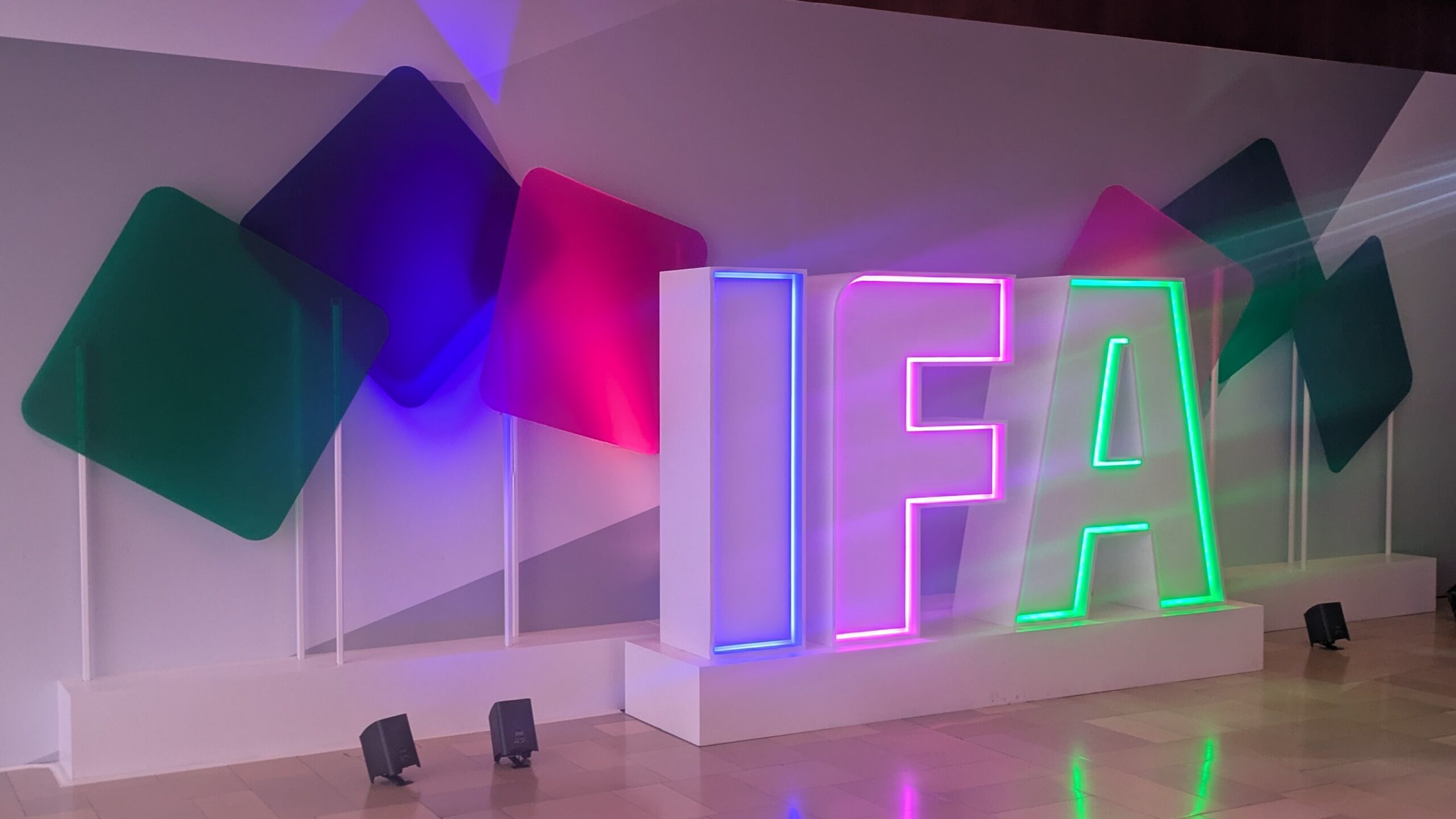
Earlier this week, IFA Berlin wrapped up. If there was a consistent theme around clean technology, it was that sustainability is not just one thing, but a diverse range of approaches.
Some of the innovations that we focus on in the US have become routine in Germany. Although I had not been to IFA before, I got the sense that sustainability was not as prevalent in messaging as it was in the past. Heat pumps seemed to be the norm. Induction cooktops greatly outnumbered gas or resistance. Energy efficiency tended to be an expectation more than a differentiator to highlight.
However, clean technology still seems to have a strong appeal in Europe. That showed up in diverse ways through multiple products, some of which are highlighted here.
Bosch showed off their Green Collection, with up to 50% less CO2 from production materials. Although we have tended to focus on efficiency, appliances are heavy and contain a large amount of material. The matte black finish also looked sleek and a bit different than typical kitchen appliances.

Ferre dedicated space to the sustainability of their packaging, made from recycled materials.

Gorenje had one of the largest displays dedicated to sustainability, with efforts extending from sourcing, materials and manufacturing to energy efficiency and packaging. The company makes a range of efficient appliances in their factory in Slovenia, as the fourth largest appliance manufacturer in Europe. In talking with one of their product people, they said that one of the main ways that they foster sustainability is by improving the performance of electrified options, including high-output induction cooktops and electric pizza ovens. While many in the US are not familiar with Gorenje, they are part of Hisense, and also manufacture for several other brands. If you buy an appliance made in Slovenia, there is a good chance that it was made by Gorenje.

Midea highlighted the switch to R290 refrigerant (propane) for their heat pumps, which is far more environmentally friendly than many traditional refrigerants. However, while they gave it the most attention, they were not alone. Europe appears to be transitioning to R290 rapidly.
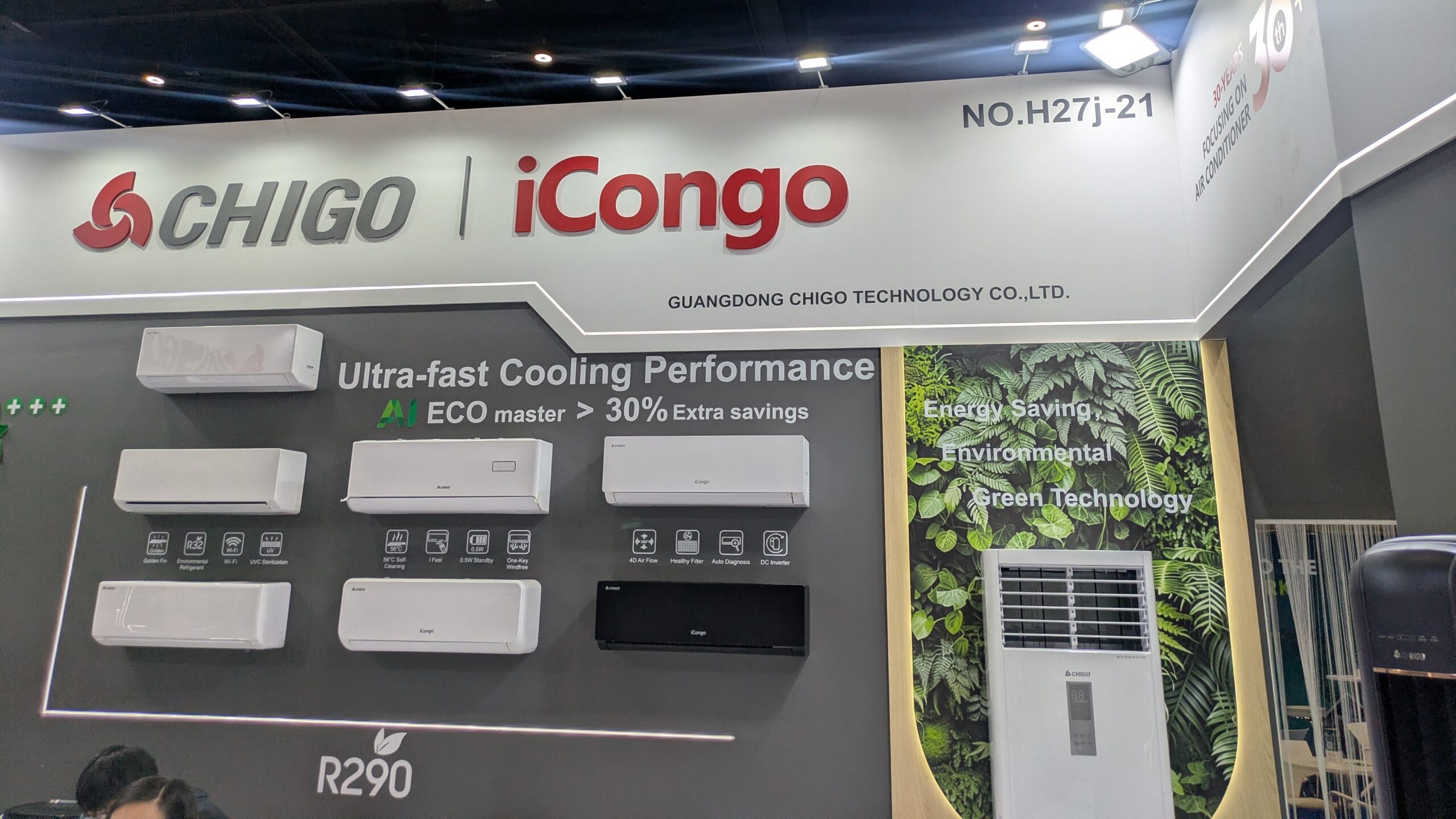
Chigo/iCongo also showed off their R290 air conditioners, with sustainability-focused messaging. The brand claims 30% energy savings thanks to “AI-powered dynamic adjustments.” That is an impressive claimed efficiency improvement that I would like to see further test results to support.

While heat pumps were dominant, Eurom displayed their infrared home heaters. While not as efficient as heat pumps on a per-BTU basis, these heaters can invisibly radiate long-wavelength infrared onto the surfaces where it is needed. Like how the sun warms the earth. For example, the heaters could be focused on a seating area in an open concept living room, providing a level of comfort while not having to heat all the air in the entire room or entire home. As such, an entire home could be kept at a lower overall temperature, while the areas with occupants could be heated with infrared. Integrating sensors and intelligence could extend the concept. It was an interesting idea that has some potential.

Moving on to materials, REEDEE displayed recycled TPU and PET plastic films to be used as screen protectors. While many people put plastics into recycling bins, they often end up in the landfill or are burned anyway. Providing paths to recycle plastics reduces both pollution and the amount of plastic needed in the first place.


Gforest, or Ningbo Green Forest Electronic Technology, manufactures a range of products, often for white label. They had their food recyclers on display, which break down and dry food to be used in a garden, utilizing a high-efficiency heater. In addition, they showed off mister fans that use a fine spray of water to cool evaporatively. While not an outright replacement for air conditioning, they can provide needed relief when it is not available. Especially in many European homes, where air conditioning is not common, but periods of extreme heat are increasing in prevalence and intensity. One current model places a fan on top of a water tank. However, they also showed off a prototype that adds misting capability to an adhesive puck that can mount to the center of an existing fan case, with a water tank that attaches to the central pole. It is a simple idea, but people would not need to buy a new fan, and they could put off investing in energy-intensive air conditioning a little longer. Not all clean technology needs to be complicated.

Beyond the new technology, there was also some attention to repairing existing electronics. Repartly offered parts and repair of electronics and appliances, available within Germany. This can make repairs faster and more affordable, while reducing shipping costs and emissions. Although you likely would not want to keep an inefficient model for an extended time, by repairing electronics, rather than throwing them away, the embodied energy needed for manufacturing is reduced, while waste management becomes less of a challenge.


In terms of EVs, beyond XPENG and Xiaomi, Volkswagen had their new ID.Polo and ID.Cross on display. The ID.Polo model gets back to their design roots and looked attractive, if not groundbreaking. While the ID.Cross enters the fiercely competitive crossover segment, the smaller ID.Polo could prove to be popular on the tight roads of Europe. If you needed something even smaller, Volkswagen also licensed their brand to an e-bike available for test rides.
Overall, even in markets where sustainability isn’t the primary focus, there are many ways it can be integrated into products and services. From major brands to regional manufacturers. From material suppliers to repair and recycling. There isn’t one silver bullet that will provide a single simple solution to all our challenges. However, the diversity of approaches also creates a diversity of ways to make an impact. IFA, which stands for Innovation For All, demonstrates that all of us have an opportunity to engage with sustainable innovations, through our businesses, our purchases and how we live our lives.
Sign up for CleanTechnica’s Weekly Substack for Zach and Scott’s in-depth analyses and high level summaries, sign up for our daily newsletter, and follow us on Google News!
Have a tip for CleanTechnica? Want to advertise? Want to suggest a guest for our CleanTech Talk podcast? Contact us here.
Sign up for our daily newsletter for 10–15 new cleantech stories a day. Or sign up for our weekly one on top stories of the week if daily is too frequent.


CleanTechnica uses affiliate links. See our policy here.
CleanTechnica’s Comment Policy