
Radical AI Uses Autonomous Laboratories to Accelerate Alloy Discovery, Transforming Advanced Materials Research

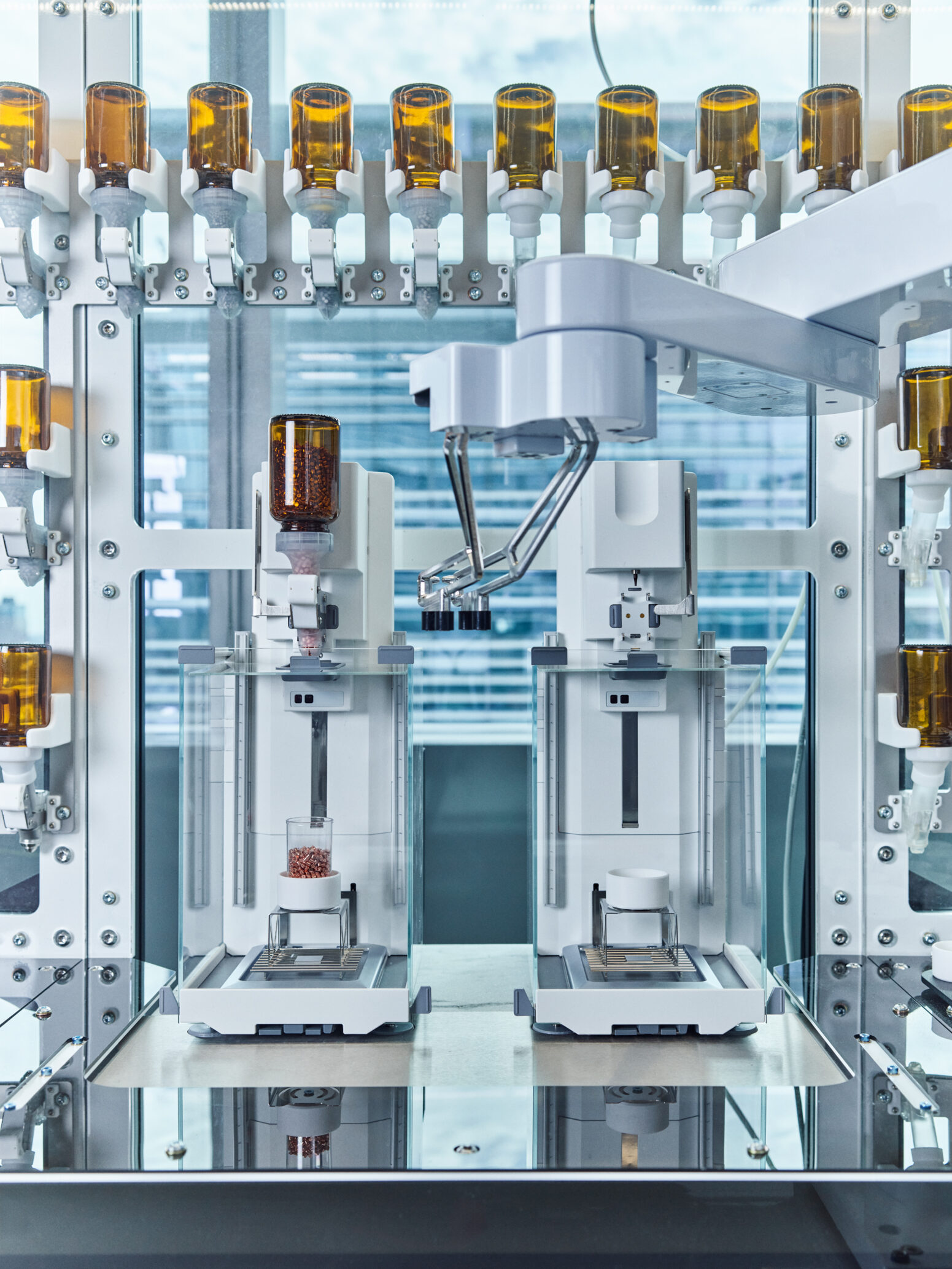
New York, USA: Artificial intelligence is opening new possibilities in materials science as New York-based technology company Radical AI uses autonomous laboratories to accelerate the discovery and development of advanced metal alloys. By combining AI-powered research, robotics and automated testing, the company aims to reduce the time required to develop high-performance materials for aerospace, defence and other industrial applications.
The company’s self-driving laboratory platform can design, manufacture and test new alloy compositions with limited manual intervention. According to Radical AI, its laboratory has demonstrated the ability to produce and evaluate more than 300 new alloy compositions in approximately 16 weeks.
The development comes at a time when the United States is seeking to reduce its dependence on foreign suppliers, particularly China, for strategically important minerals and advanced industrial materials.
AI and Robotics Transform Alloy Development
Traditional alloy discovery involves extensive laboratory experimentation, with researchers testing different combinations of metals to achieve specific properties such as strength, durability, heat resistance and corrosion protection.
Radical AI’s approach integrates machine-learning models with robotic laboratory equipment to automate much of this process. The system identifies promising material compositions, manufactures physical samples and evaluates their properties.
Each experiment generates new data that is fed back into the AI models, helping the system improve its predictions and select more effective combinations for subsequent experiments. This continuous feedback mechanism is known as an active learning loop.
The company’s laboratory can produce and characterise more than 25 alloys in a single day, according to its published information.
Reducing Dependence on Critical Minerals
One of the major objectives of Radical AI’s technology is to help manufacturers develop advanced alloys using more readily available materials instead of relying heavily on supply-constrained metals.
For example, the company has been exploring alternatives to hafnium, a strategically important metal used in high-temperature aerospace and defence applications.
By allowing manufacturers to specify which elements should be excluded from a new alloy, the AI platform can search for alternative compositions while maintaining the required performance characteristics.
This approach could provide greater flexibility to industries exposed to geopolitical tensions, export restrictions and disruptions in critical mineral supply chains.
Partnership with Sandia National Laboratories
In September 2026, Radical AI partnered with Sandia National Laboratories to conduct research into metal-hydrogen interactions and identify new materials that could help separate hydrogen from waste gas streams.
The collaboration highlights the potential applications of autonomous materials discovery beyond aerospace and defence, particularly in energy and industrial processing.
The company has also received backing from RTX Ventures and NVIDIA’s NVentures, strengthening its position in the emerging AI-driven materials research sector.
Could Reduce Materials Development Timelines
Developing and qualifying new industrial alloys can take many years because of the extensive testing, manufacturing development and safety requirements involved.
Radical AI believes its autonomous laboratory technology could significantly shorten the discovery stage, potentially reducing development cycles that traditionally take decades to just a few years.
However, discovering a promising alloy is only the first step. Materials intended for aircraft engines, defence systems and other critical applications must still undergo extensive performance validation, industrial-scale manufacturing development and regulatory qualification.
A New Direction for the Global Mining and Metals Industry
The growing use of AI in materials science could have long-term implications for the global mining and metals industry.
If manufacturers successfully develop alternative alloys that require smaller quantities of supply-constrained metals, demand patterns for certain critical minerals could change. At the same time, new technologies may create opportunities for metals used in advanced manufacturing, energy systems and aerospace applications.
Radical AI’s approach represents a shift from relying exclusively on traditional mineral supply strategies towards improving how materials themselves are designed.
As competition for critical minerals intensifies, autonomous laboratories could become an important tool for manufacturers seeking stronger, more efficient and more supply-chain-resilient materials.