

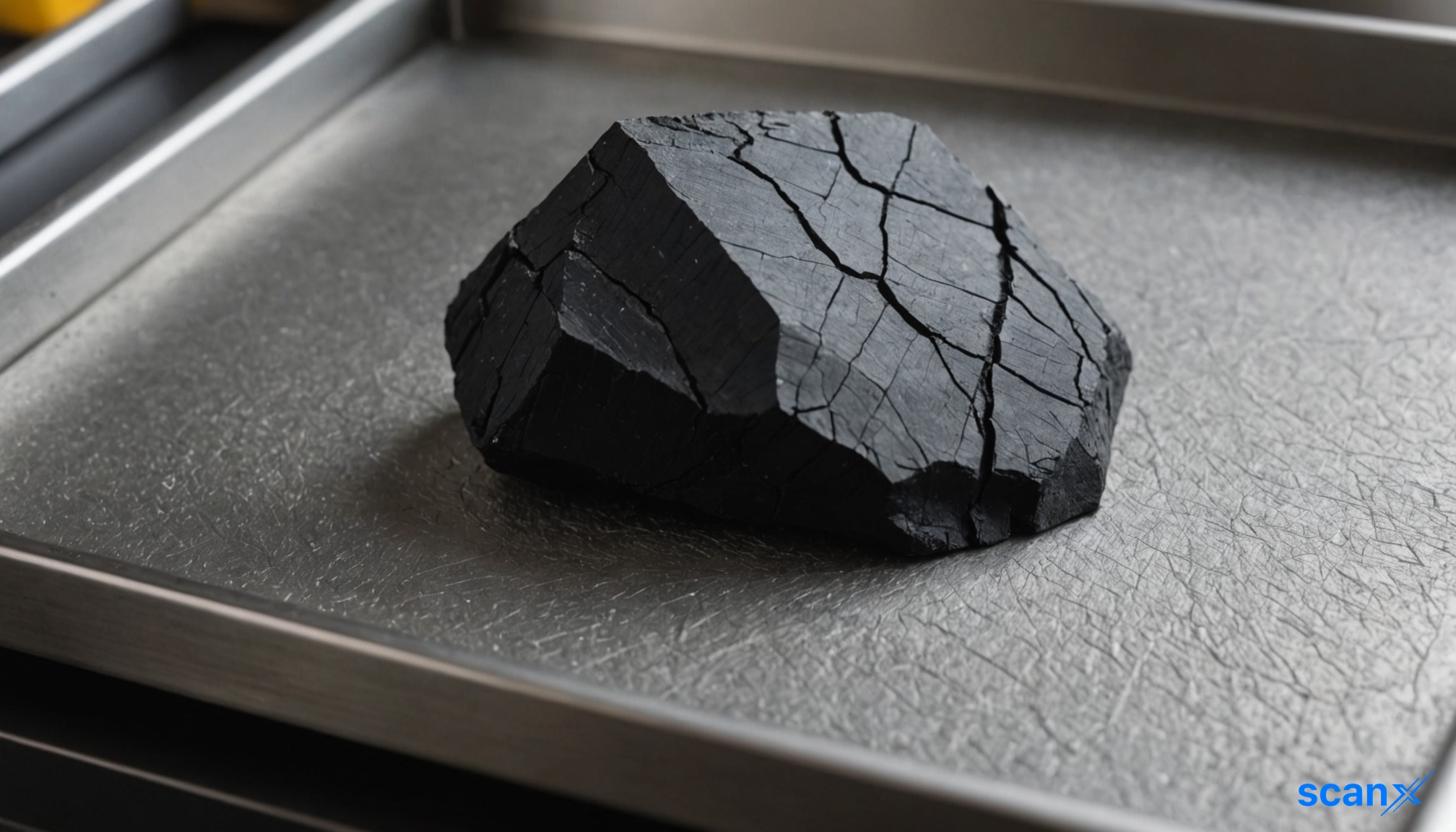
Kolkata, October 27, 2026: Coal India Limited (CIL), the country’s largest coal producer, has recorded a 27% year-on-year increase in capital expenditure (capex) during the first half of the financial year 2026–27 (H1 FY27), spending ₹7,966 crore between April and September 2026. The expenditure exceeded the company’s target of ₹7,286 crore for the period, achieving 109% of its planned outlay.
The company spent ₹6,283 crore during the corresponding period of the previous financial year. The latest figures highlight Coal India’s continued focus on strengthening mining infrastructure, expanding operational capacity and improving coal transportation facilities. The expenditure also represents more than 48% of the company’s annual capex target of ₹16,500 crore for FY27.
Mine Infrastructure Receives Major Investment
Mine infrastructure development accounted for the largest share of capital expenditure during the first half, attracting ₹2,152 crore. The investments covered railway sidings and corridors, coal handling plants (CHPs), silos and weighbridges.
These infrastructure projects are intended to improve coal handling and transportation efficiency, strengthen evacuation capacity and reduce logistical bottlenecks. Efficient coal evacuation is particularly important for ensuring the timely movement of coal from mining sites to power plants and other industrial consumers.
Land Acquisition and Machinery Drive Spending
Land acquisition emerged as another major area of expenditure, accounting for ₹2,033 crore during H1 FY27. Acquiring land is essential for opening new mines, expanding existing operations and ensuring the timely development of mining projects.
Coal India also invested ₹1,394 crore in plant and machinery. This included spending on heavy earth-moving machinery (HEMM), washeries and other equipment required to support mining operations. Of this amount, ₹452 crore was allocated specifically to the procurement of heavy earth-moving machinery.
Additionally, the company spent more than ₹1,000 crore on mine development to support project expansion and operational readiness.
Diversification into Solar Energy and Critical Minerals
Alongside its core coal mining operations, Coal India continued to invest in diversification initiatives. The company spent more than ₹739 crore on projects involving solar energy, critical minerals, coal gasification and thermal power generation during the first half of FY27.
These investments reflect the company’s efforts to broaden its business portfolio while strengthening its position in the energy sector. The diversification strategy also aligns with the need to explore additional energy sources and emerging mineral-related opportunities as India’s energy requirements continue to evolve.
Overall, mine infrastructure, land acquisition, plant and machinery, and diversification accounted for more than 79% of Coal India’s total capital expenditure during the period.
Focus on Annual Investment Target
With ₹7,966 crore already spent in the first six months, Coal India has completed more than 48% of its ₹16,500 crore annual capital expenditure target for FY27.
The pace of investment indicates continued emphasis on infrastructure development, equipment modernisation and capacity expansion. The effectiveness of these investments will depend on the timely completion of projects and their contribution to improving production, transportation and operational efficiency.
As the financial year progresses, attention will remain on the company’s ability to sustain its capital expenditure momentum and translate infrastructure spending into stronger operational performance.
Conclusion
Coal India’s 27% growth in first-half capital expenditure underscores its commitment to expanding mining infrastructure and improving coal supply capabilities. By exceeding its half-year spending target and investing in both core operations and diversification projects, the company is working to strengthen its operational capacity and support India’s continuing energy requirements.