
China Copper Smelters Consider Production Cuts Amid Sulfuric Acid Export Ban

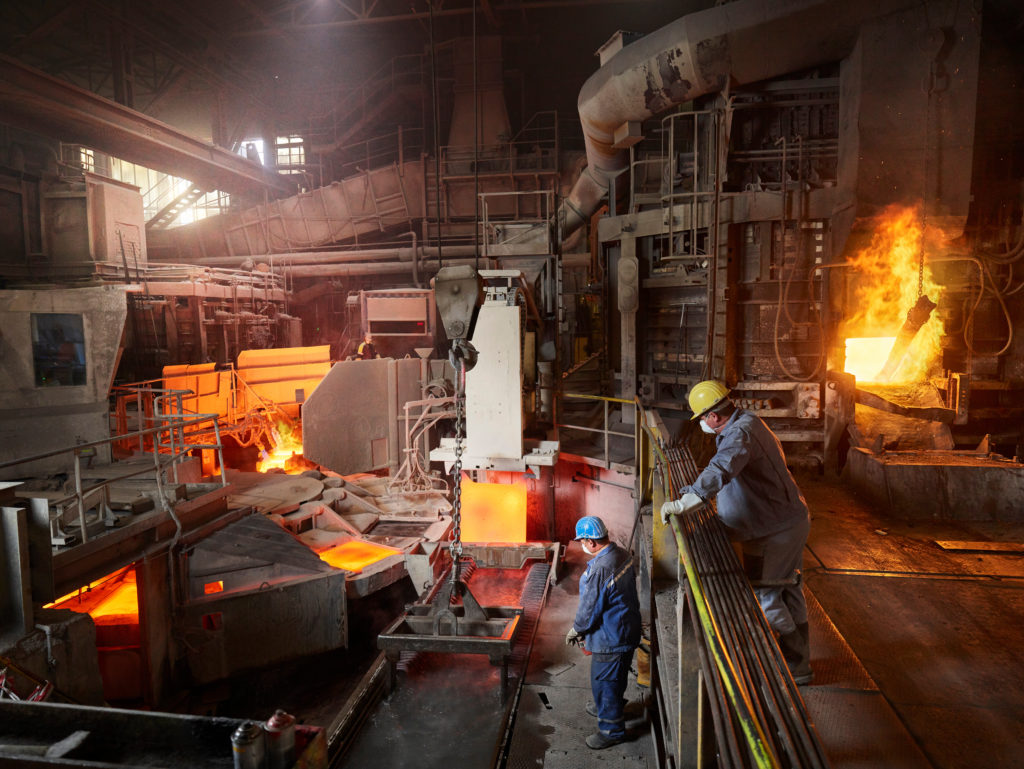
China’s copper smelting industry is weighing potential production curbs following the government’s decision to restrict exports of sulfuric acid, a key byproduct of copper processing. The move is expected to disrupt operational economics for smelters and could have ripple effects across global metal markets.
Sulfuric acid, produced during the smelting of copper concentrates, is an important industrial chemical used in fertilizers, chemicals, and manufacturing. With export channels tightening, domestic inventories of the acid are expected to rise, putting pressure on storage capacity and pricing. This could force smelters to scale back output to manage the surplus.
Industry analysts suggest that the export restrictions are part of broader regulatory measures aimed at stabilizing domestic supply and controlling environmental risks. However, the unintended consequence may be reduced profitability for copper producers, who rely on sulfuric acid sales as a secondary revenue stream.
China, the world’s largest copper producer and consumer, plays a crucial role in global supply chains. Any reduction in its smelting activity could tighten global copper availability and influence international prices. Market participants are closely monitoring developments, as supply adjustments in China often have far-reaching implications.
Smelters are also facing additional challenges, including fluctuating treatment and refining charges (TC/RCs) and rising input costs. The combination of these factors, along with the acid export ban, is prompting companies to reassess production strategies and operational efficiency.
Some producers may opt for temporary maintenance shutdowns or reduced operating rates, while others could explore alternative domestic uses for sulfuric acid to mitigate losses. The situation remains fluid, with policy clarity and market responses likely to shape the next steps.
The developments highlight the complex interplay between industrial policy, environmental considerations, and global commodity markets, as China continues to balance domestic priorities with its role as a key supplier in the international metals industry.