

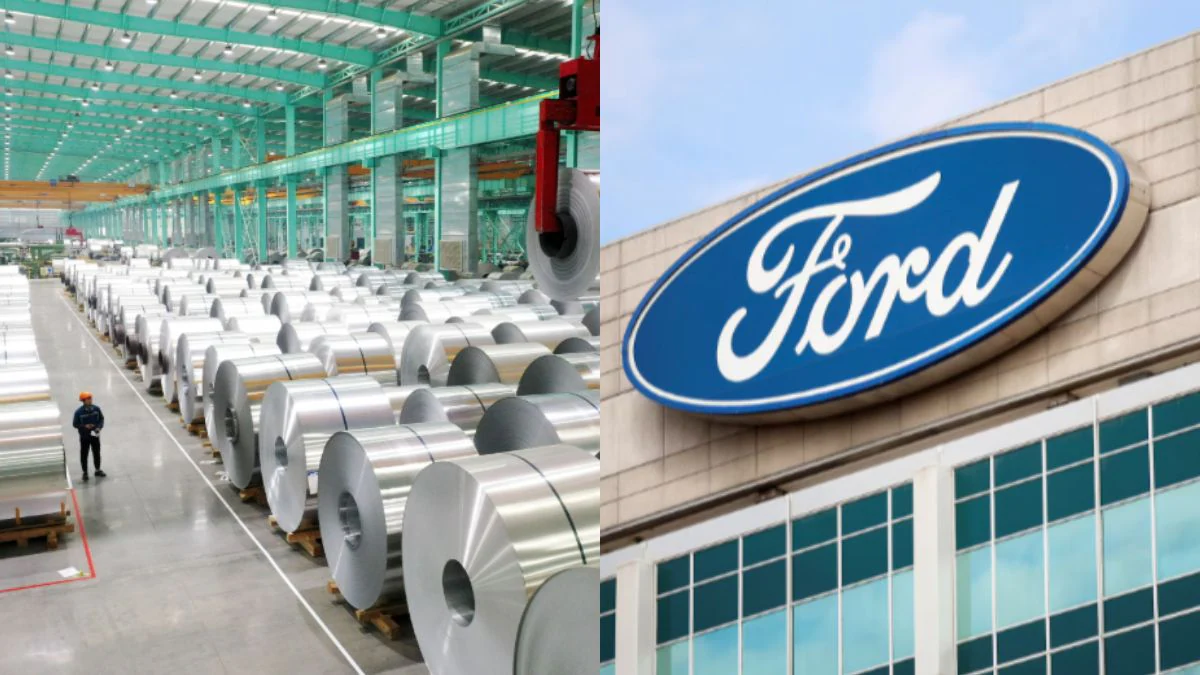
The United States government has rejected a request from Ford Motor Company seeking relief from aluminum import tariffs, according to a report by The Wall Street Journal.
Ford had petitioned authorities for an exemption from the tariffs, arguing that the duties were increasing input costs and placing additional pressure on its manufacturing operations. The automaker reportedly sought relief for specific aluminum imports used in vehicle production, highlighting challenges in sourcing sufficient domestic supply at competitive prices.
However, US officials declined the request, maintaining that the tariffs are essential to protect domestic aluminum producers and support national industrial capacity. The decision underscores the government’s continued commitment to safeguarding local industries under its broader trade policy framework.
Industry analysts note that the rejection could have implications for automakers already dealing with rising raw material costs and supply chain disruptions. Higher aluminum prices may lead to increased production costs, which could eventually impact vehicle pricing and profit margins.
The development also reflects the ongoing tension between manufacturing sectors that rely on imported materials and domestic producers seeking protection from global competition. While companies like Ford have pushed for targeted exemptions, policymakers appear reluctant to dilute tariff measures.
The report suggests that automakers may continue to lobby for relief or explore alternative sourcing strategies, including increased domestic procurement or material substitution, to manage cost pressures in the evolving trade environment.