
AI Boom Could Overwhelm Metals Supply, Warns Wood Mackenzie

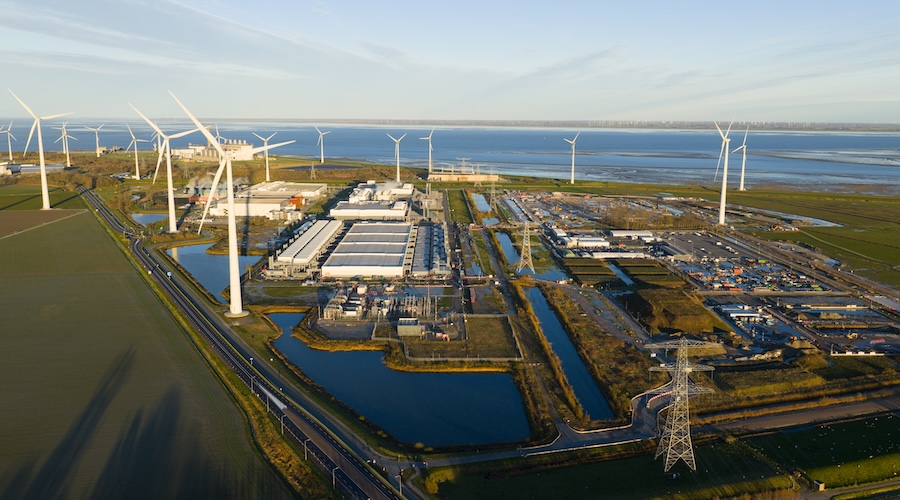
London, October 23, 2026: The rapid expansion of artificial intelligence (AI) and data centres could put unprecedented pressure on global metals supplies, as mining investment struggles to keep pace with rising demand, according to a new analysis by energy and natural resources consultancy Wood Mackenzie.
The report highlights how the AI boom is creating demand not only for advanced computing infrastructure but also for the copper, aluminium and other metals required to build electricity transmission networks, substations and dedicated power-generation facilities.
Wood Mackenzie is tracking more than 250 gigawatts (GW) of data centre projects worldwide, representing more than three times the project pipeline recorded a year earlier. The consultancy forecasts that electricity demand from AI data centres could increase fivefold between 2025 and 2030 and exceed 1,000 terawatt-hours by 2035.
Data Centres Create Demand Beyond Computing
The growing AI industry requires large quantities of electricity to operate servers, cooling systems and specialised computing equipment. Meeting this demand will also require substantial investment in power infrastructure.
According to Wood Mackenzie, transmission networks, substations and dedicated power-generation facilities can require three to four times more metal than the data centres they support.
This additional infrastructure demand could intensify competition for copper and aluminium, two essential materials used in electrical wiring, power distribution systems, transformers and other equipment.
The trend comes as governments and technology companies accelerate investment in digital infrastructure, electrification and energy security.
Copper Supply Faces Growing Challenges
Copper is emerging as one of the metals most exposed to the AI-driven infrastructure boom. Its conductivity makes it essential for power networks, electrical equipment and data centre construction.
However, bringing new copper mines into production can take years because of permitting requirements, complex project development, capital constraints and geopolitical uncertainty.
Wood Mackenzie estimates that the industry needs to deliver approximately 850,000 tonnes per year of new greenfield copper supply annually over the coming decade to meet future requirements.
The consultancy also highlighted distortions in the copper market caused by stockpiling and trade policies. While inventories have increased in the United States, supplies available in other markets remain tighter, adding to concerns about regional shortages and price volatility.
Aluminium and Nickel Markets Face Different Pressures
Aluminium markets are also facing supply challenges. Damage to major Middle Eastern smelting facilities has reduced available production, contributing to an estimated one-million-tonne global deficit in 2026, according to the consultancy.
Although increased production in Indonesia could help the aluminium market return to surplus in 2027, geopolitical disruptions and changes in industrial demand remain important risks.
Nickel markets present a more complicated picture. Supply restrictions in Indonesia are tightening some categories of nickel, while other segments continue to experience oversupply. This divergence demonstrates that the impact of the AI boom will vary by metal, production process and end-use market.
Mining Investment Must Accelerate
Wood Mackenzie Vice President of Metals and Mining Research Lindsay Grant said the main challenge was the growing gap between accelerating demand and the industry’s ability to deliver new supplies.
High commodity prices would normally encourage new investment. However, lengthy approval processes, geopolitical uncertainty and increasingly complex projects are delaying investment decisions.
The consultancy argues that governments and mining companies must accelerate project approvals, strengthen supply chains and commit capital to new production capacity if future demand is to be met.
Outlook: AI Could Reshape Global Commodity Markets
The expansion of AI is increasingly becoming a major driver of demand across the mining and energy sectors. While new technologies may improve efficiency, the physical infrastructure needed to power and connect them will require substantial quantities of raw materials.
For mining companies, this could create opportunities to expand production and develop new projects. For technology companies and utilities, however, supply constraints could increase procurement costs and complicate infrastructure development.
Wood Mackenzie’s assessment suggests that the availability of metals may become a critical factor in determining the pace of AI infrastructure expansion. Whether supply can catch up will depend on investment, permitting, technological innovation and the stability of global commodity supply chains.