
LME-Linked Group Battles for Access to Trading Data on Sustainable Metals Premiums

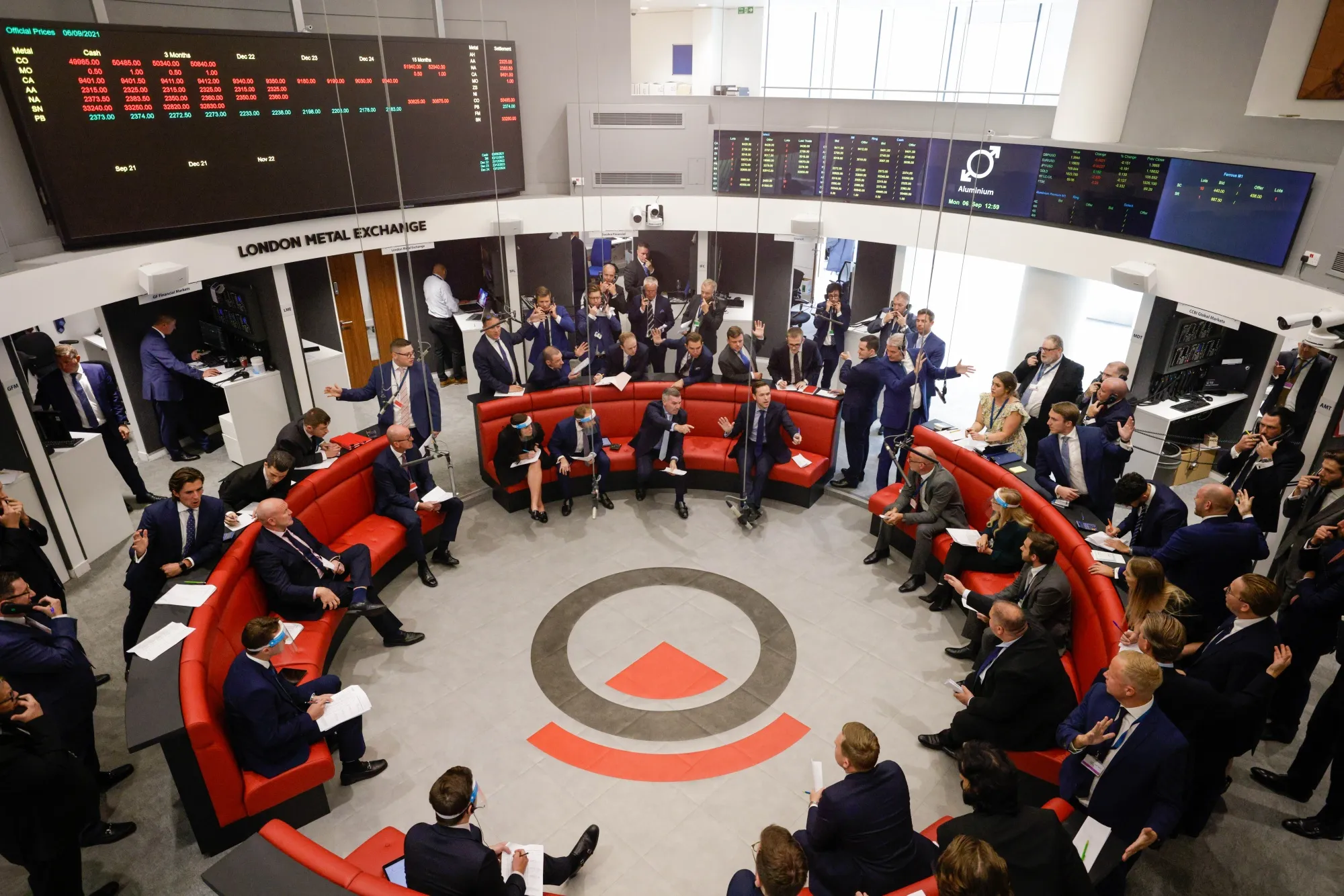
The market for sustainable metals is facing growing pressure to improve transparency as industry participants seek better access to trading data linked to premiums for environmentally responsible metal products. A group associated with the London Metal Exchange (LME) is reportedly pushing to secure more comprehensive market information to support the assessment of sustainable metals premiums.
The development highlights a broader challenge facing the global metals industry: determining how much buyers are willing to pay for metals produced with lower carbon emissions and more sustainable manufacturing practices.
As manufacturers, automakers, technology companies and construction businesses increasingly focus on reducing their environmental footprints, demand for metals with verified sustainability credentials has gained importance. However, establishing consistent and reliable price benchmarks for these products remains difficult when trading data is limited or fragmented.
Why Trading Data Matters
Metals premiums represent additional amounts paid above a benchmark metal price for factors such as location, physical availability, delivery conditions and product specifications. In the sustainable metals market, premiums may also reflect lower production emissions, recycled content and independently verified environmental standards.
Access to reliable transaction data can help market participants distinguish between advertised prices and actual trading levels. It can also improve price discovery, support contract negotiations and help buyers compare products with different environmental credentials.
Without sufficient market information, producers may struggle to demonstrate the commercial value of investing in cleaner production technologies, while buyers may find it difficult to assess whether sustainability-related premiums accurately reflect market conditions.
The Role of the London Metal Exchange
The London Metal Exchange is a major global marketplace for industrial metals, providing reference prices and trading infrastructure used by producers, consumers, merchants and financial institutions.
As sustainability becomes a more prominent factor in metals procurement, reliable information about low-carbon and recycled metal products could become increasingly important to the wider pricing ecosystem.
Improved access to trading data could help market participants develop more consistent benchmarks for sustainable metals premiums. Such information could also support the development of contracts that incorporate environmental specifications alongside traditional commercial terms.
However, establishing robust benchmarks requires sufficient transaction volumes, consistent product definitions and credible verification of sustainability claims. Differences in production methods, carbon-accounting standards and certification systems can make comparisons difficult.
Implications for Metals Producers and Buyers
Greater transparency in sustainable metals pricing could have implications across the supply chain. Producers investing in renewable energy, energy efficiency, recycling and lower-emission processing technologies could benefit from clearer evidence of the premiums their products command.
For industrial buyers, more dependable data could improve procurement decisions and help companies evaluate the financial implications of meeting their environmental targets.
Traders and market analysts could also benefit from improved price discovery, particularly as sustainability considerations increasingly influence purchasing decisions and long-term supply agreements.
Nevertheless, the commercial value of better data will depend on its quality, coverage and accessibility. Market participants must also address concerns over confidentiality, competition and the disclosure of commercially sensitive transactions.
A Market Still Developing
The push for greater access to sustainable metals trading data reflects the evolving relationship between environmental performance and commodity pricing. As companies seek to reduce emissions across their supply chains, sustainability-linked premiums could become an increasingly important component of metals market negotiations.
For now, the central challenge is building a transparent and credible pricing framework that reflects genuine market transactions while protecting legitimate commercial interests.
The outcome of efforts to improve access to this data could help shape how sustainable metals are valued, traded and procured in the years ahead. Specific details of the group’s identity, its data-access demands and any formal agreement would need to be confirmed through authoritative market sources.