
European Commission Selects 46 New Strategic Critical Mineral Projects to Reduce Dependence on China

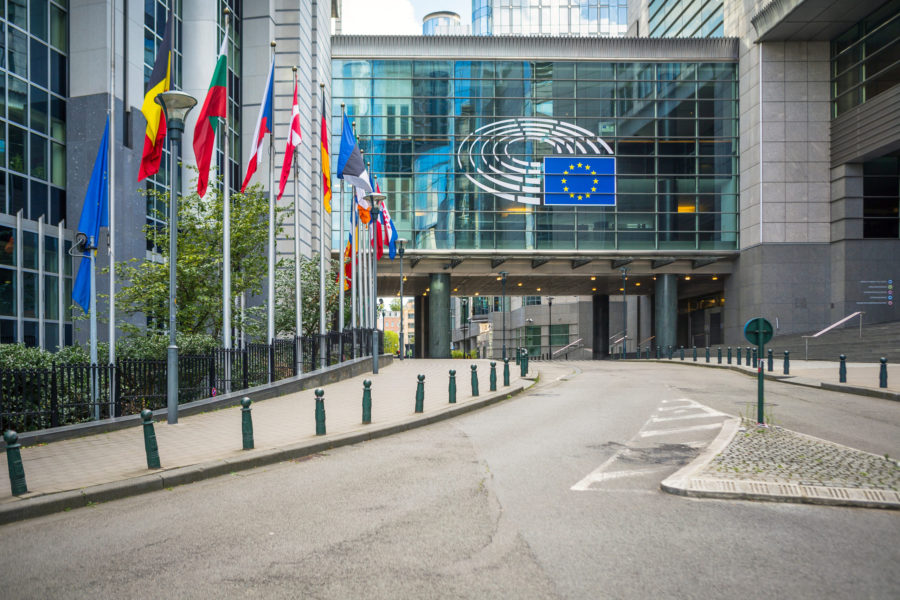
Brussels, October 9, 2026: The European Commission has selected 46 new strategic raw material projects across 16 European Union member states, aiming to strengthen domestic mineral supply chains, accelerate project development and reduce the bloc’s dependence on foreign suppliers, particularly China. The announcement marks a new step in the EU’s efforts to secure essential minerals for its industrial, defence, automotive and renewable energy sectors.
The selected projects are expected to require approximately €21.1 billion in capital investment, which the Commission expects to be mobilised through a combination of public and private funding. Their strategic designation is intended to facilitate faster permitting, improve access to financing and connect project developers with potential investors and buyers. However, the designation does not guarantee direct EU funding.
Projects Cover Mining, Processing and Recycling
The 46 projects cover 15 of the EU’s 17 designated strategic raw materials, including lithium, copper, nickel, cobalt, manganese, graphite, rare earth elements, magnesium and tungsten.
The portfolio includes eight extraction projects, 11 processing projects and 19 recycling projects. Eight additional initiatives combine different stages of the supply chain, including extraction with processing or processing with recycling.
The projects are spread across 16 member states, including Germany, France, Finland, Greece, Italy, Spain and Sweden. Notable developments include the Zinnwald Lithium project in Germany, the Skouries mine in Greece and the Viscaria copper project in Sweden.
Lithium, Nickel and Rare Earths Remain Priorities
Battery-related minerals form a substantial part of the new project portfolio. The selected initiatives include seven lithium projects, 12 nickel projects, 10 cobalt projects, five manganese projects and four graphite projects.
These materials are essential to battery manufacturing, electric vehicles and energy storage. Meanwhile, rare earth elements are important for permanent magnets used in various industrial, automotive and clean-energy applications. Tungsten and other strategic materials also support defence and aerospace manufacturing. <Cite refs={[“turn683001search2″,”turn683001search10”]}/>
By expanding extraction, processing and recycling capacity within Europe, the Commission aims to reduce exposure to disruptions in international supply chains and strengthen the availability of essential industrial inputs.
EU Targets 2030 Critical Mineral Independence Goals
The initiative supports the EU’s 2024 Critical Raw Materials Act, which establishes three major targets for 2030:
- 10%: At least this share of the EU’s annual consumption of strategic raw materials should come from domestic extraction.
- 40%: At least this share should be processed within the EU.
- 25%: At least this share should be supplied through recycling.
The legislation also seeks to prevent excessive dependence on a single non-EU country for any strategic raw material at a relevant processing stage. <Cite refs={[“turn683001search12″,”turn683001search10”]}/>
Funding and Implementation Remain Key Challenges
Although the Commission has mobilised more than €2 billion in public funding for strategic raw material initiatives, some previously selected projects have experienced delays and financing difficulties.
The latest designations are intended to improve access to funding and help developers connect with public and private investors. Nevertheless, the projects will need to secure sufficient capital, obtain necessary permits and demonstrate commercial and technical viability before their expected benefits can be fully realised.
Outlook
The selection of 46 additional strategic projects reflects Europe’s efforts to build a more resilient and diversified critical minerals supply chain. If successfully implemented, the projects could increase regional production, support recycling, strengthen industrial competitiveness and improve access to materials needed for the energy transition.
The key challenge will be converting strategic designations and investment plans into operational facilities capable of delivering reliable supplies at competitive costs while meeting environmental and regulatory requirements.