
Hertha Metals Aims to Strengthen Rare-Earth Magnet Supply Chain with Texas High-Purity Iron Plant

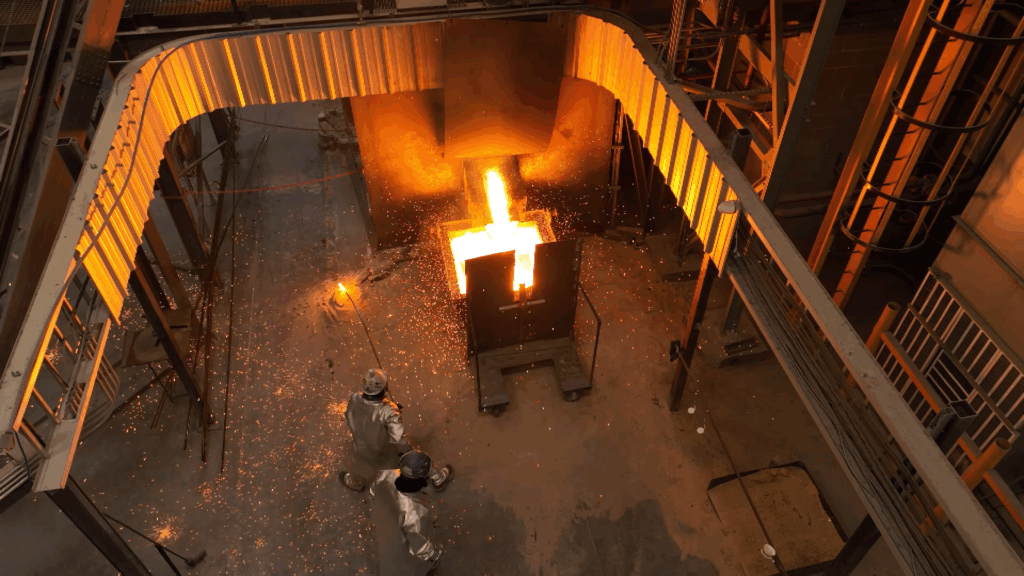
Hertha Metals is positioning itself to address a critical gap in the rare-earth magnet supply chain through plans to develop a high-purity iron production facility in Texas, a move that could support growing demand from electric vehicles, renewable energy technologies and advanced manufacturing industries.
The company’s proposed project focuses on producing high-purity iron, a key ingredient used in the manufacture of neodymium-iron-boron (NdFeB) magnets. These powerful permanent magnets are essential components in electric motors, wind turbines, defense systems and a wide range of high-tech applications. As global demand for rare-earth magnets continues to expand, securing reliable supplies of high-quality raw materials has become a strategic priority for manufacturers and governments alike.
Industry analysts note that while attention often centers on rare-earth elements themselves, high-purity iron remains an equally important component in magnet production. Supply constraints in any part of the value chain can affect the availability of finished magnets, creating bottlenecks for industries dependent on advanced magnetic technologies.
Hertha Metals believes its Texas facility could help strengthen domestic manufacturing capabilities and reduce reliance on overseas suppliers. The project aligns with broader efforts in the United States to build resilient critical mineral and advanced materials supply chains amid increasing geopolitical competition and concerns over supply security.
The planned facility is expected to utilize innovative processing technologies aimed at producing iron with exceptionally low impurity levels. Such materials are required for the manufacture of high-performance permanent magnets used in next-generation energy and transportation systems.
The United States has been actively encouraging investments in critical minerals, rare-earth processing and downstream manufacturing through a combination of public funding initiatives, tax incentives and industrial policy measures. Companies across the sector are seeking opportunities to establish integrated supply chains that support domestic production of strategic materials.
Demand for rare-earth magnets is projected to grow significantly over the coming decade as electric vehicle adoption accelerates and renewable energy installations expand worldwide. Wind turbines, electric drivetrains and advanced industrial equipment all rely heavily on high-performance magnets that require a stable supply of both rare-earth elements and specialized iron materials.
Supporters of the Texas project argue that increasing domestic production capacity could help reduce supply chain vulnerabilities while supporting job creation and industrial development. The facility may also contribute to broader efforts to establish a more diversified North American ecosystem for critical materials and advanced manufacturing.
As competition for strategic resources intensifies globally, projects such as Hertha Metals’ high-purity iron plant highlight the growing importance of securing every link in the critical minerals value chain. The initiative reflects a broader industry trend toward building localized, resilient and technologically advanced supply networks capable of meeting future demand for clean energy and high-tech applications.