

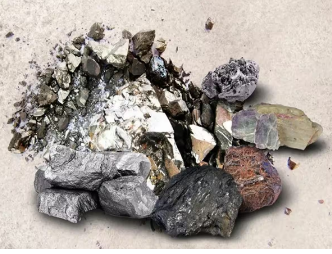
New Delhi: China’s tightening export controls on critical minerals and strategic materials could put global supply chains worth nearly $6.5 trillion at risk, according to a warning from the International Energy Agency (IEA). The agency cautioned that increasing restrictions on the export of key minerals could disrupt industries ranging from electric vehicles and renewable energy to semiconductors and advanced manufacturing.
The IEA said China’s dominant position in the processing and refining of several critical minerals—including rare earth elements, graphite, and other battery materials—makes global industries highly vulnerable to supply disruptions. Export restrictions could lead to higher costs, production delays, and increased uncertainty for manufacturers worldwide.
The report highlights that demand for critical minerals is expected to surge as countries accelerate the transition to clean energy technologies. However, excessive dependence on a single supplier raises significant geopolitical and economic risks for global markets.
Industry experts believe the latest developments will encourage governments and companies to diversify supply sources, invest in domestic mining and refining capacity, and strengthen strategic partnerships with mineral-rich nations. Several countries, including the United States, Australia, Canada, and India, have already announced initiatives to reduce dependence on Chinese mineral supplies.
The IEA emphasized that building resilient and diversified supply chains will be essential to ensuring the stability of global manufacturing and supporting the long-term growth of clean energy industries.