
Reliance, Vedanta and Adani Join India’s Push to Reduce Dependence on Chinese Rare Earth Supplies

India’s leading conglomerates, including Reliance Industries, Vedanta, and Adani Group, have joined the country’s efforts to reduce its reliance on Chinese rare earth supplies, according to sources familiar with the matter. The move comes as governments and industries worldwide seek to strengthen supply chain resilience for critical minerals essential to modern technologies.
Rare earth elements are indispensable components in electric vehicles, wind turbines, advanced electronics, defense systems, semiconductors, and renewable energy infrastructure. China currently dominates the global rare earth supply chain, controlling a significant share of mining, processing, and refining capacity, making many countries vulnerable to supply disruptions.
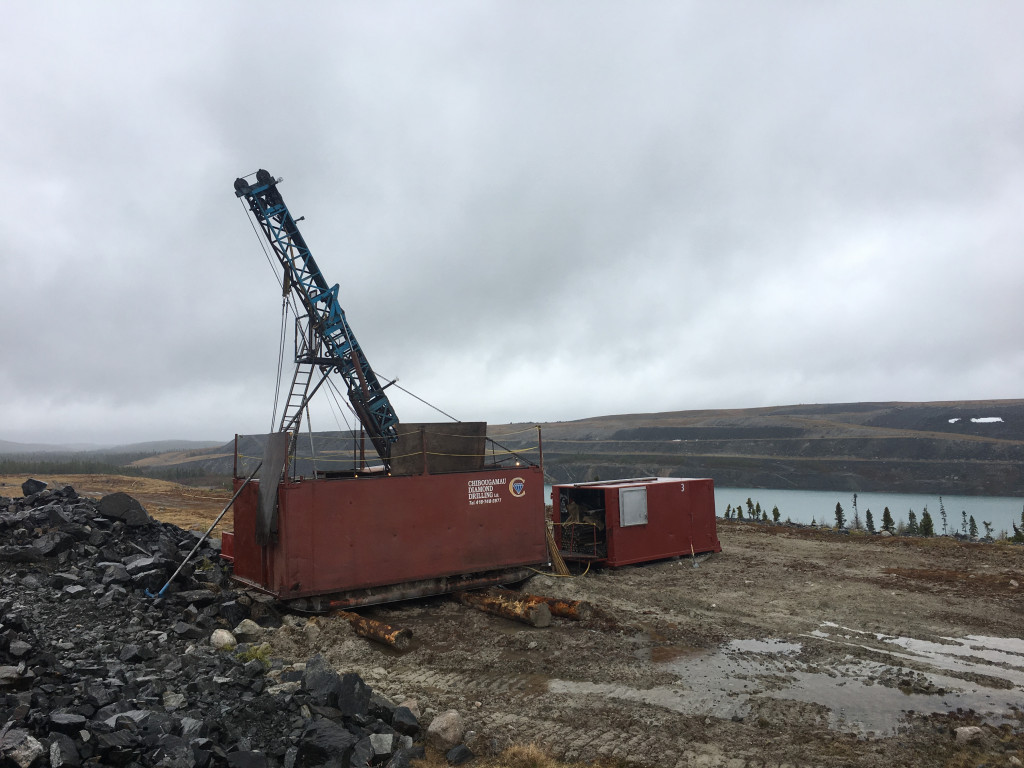
Sources indicate that India’s government has been engaging with major domestic corporations to accelerate investments in rare earth exploration, mining, processing, and magnet manufacturing. The participation of some of the country’s largest industrial groups is expected to boost efforts to develop a self-reliant critical minerals ecosystem.
Industry experts note that India’s growing ambitions in electric vehicle production, clean energy deployment, electronics manufacturing, and defense modernization have increased the urgency of securing reliable supplies of strategic minerals. Establishing domestic capabilities could help reduce import dependence while supporting long-term industrial growth.
Reliance, Vedanta, and Adani are reportedly evaluating opportunities across various segments of the rare earth value chain. Potential areas of interest include mineral extraction, refining facilities, advanced materials production, and downstream manufacturing of components used in high-tech industries.
The initiative aligns with broader government efforts to strengthen India’s position in global critical mineral supply chains. Policymakers have identified rare earths and other strategic minerals as essential to achieving energy transition goals, supporting manufacturing growth, and enhancing economic security.
India possesses deposits of several rare earth elements, although large-scale commercial development has remained limited compared with global leaders. Industry observers believe that increased private-sector participation could accelerate project development, technology adoption, and investment in processing infrastructure.
Analysts also point out that developing a competitive rare earth industry requires more than mining alone. Processing, refining, separation technologies, and magnet manufacturing capabilities are crucial for capturing value and reducing dependence on imported materials.
The growing involvement of major corporate groups reflects a broader global trend as countries seek alternative supply sources amid geopolitical tensions and increasing demand for critical minerals. Nations including the United States, Australia, Japan, and members of the European Union have launched initiatives aimed at diversifying rare earth supply chains.
If successful, India’s push could strengthen domestic manufacturing, create new investment opportunities, and support strategic industries ranging from electric mobility to advanced electronics. Market participants will be closely watching how quickly projects move from planning to execution as the country seeks to establish itself as a significant player in the global rare earth sector.