
BHP Workers Approve Strike Action at Key Australian Iron Ore Export Hub

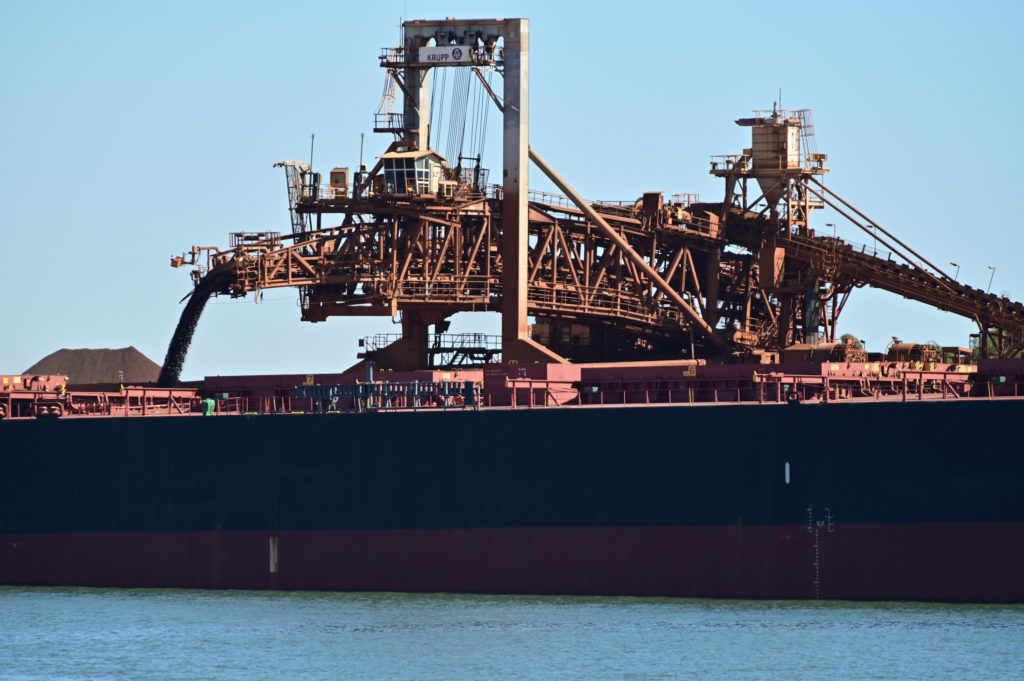
Workers employed at one of BHP’s major iron ore export operations in Western Australia have voted in favor of strike action, raising concerns about potential disruptions to shipments from one of the world’s most important iron ore-producing regions.
The vote follows ongoing negotiations between employee representatives and management over workplace conditions, wages, and employment agreements. Union officials stated that workers overwhelmingly supported industrial action after talks failed to produce an acceptable settlement.
The affected facilities are part of BHP’s extensive iron ore network in the Pilbara region, which supplies millions of tonnes of iron ore annually to global steelmakers, particularly in Asia. Any prolonged disruption at export terminals or associated logistics infrastructure could have implications for international iron ore supply chains and commodity markets.
Worker representatives have argued that employees deserve improved compensation and conditions amid strong commodity prices and the significant profitability of mining operations. They contend that workers have played a crucial role in maintaining production levels and operational efficiency despite challenging market conditions.
BHP, one of the world’s largest mining companies, has indicated that it remains committed to reaching a negotiated agreement and minimizing any impact on customers and operations. The company has emphasized its focus on maintaining safe and productive workplaces while continuing discussions with employee representatives.
Industry analysts noted that while the strike authorization does not automatically guarantee immediate work stoppages, it gives unions the legal ability to initiate industrial action if negotiations remain unresolved. The timing and scale of any potential strike could influence iron ore exports from Australia, the world’s largest supplier of the steelmaking raw material.
The Pilbara region is central to the global iron ore market, accounting for a substantial share of worldwide seaborne supply. Major producers operating in the region, including BHP, play a critical role in meeting demand from steel manufacturers in China, Japan, South Korea, and other industrial economies.
Commodity market participants are closely monitoring the situation, as labor disputes at key mining and export facilities can contribute to supply uncertainty and price volatility. Although global iron ore inventories remain relatively stable, any significant interruption in exports could affect market sentiment and pricing dynamics.
Mining industry experts suggest that both parties have strong incentives to reach a compromise before major disruptions occur. Labor disputes in the resources sector often attract considerable attention due to their potential economic impact on regional communities, export revenues, and global commodity markets.
As negotiations continue, investors, customers, and industry stakeholders will be watching closely to determine whether a new agreement can be reached or if industrial action will proceed at one of Australia’s most strategically important iron ore export hubs.