
US Business Group Warns Some Critical Minerals Are ‘Nearly Unobtainable’ from China Amid Supply Chain Concerns

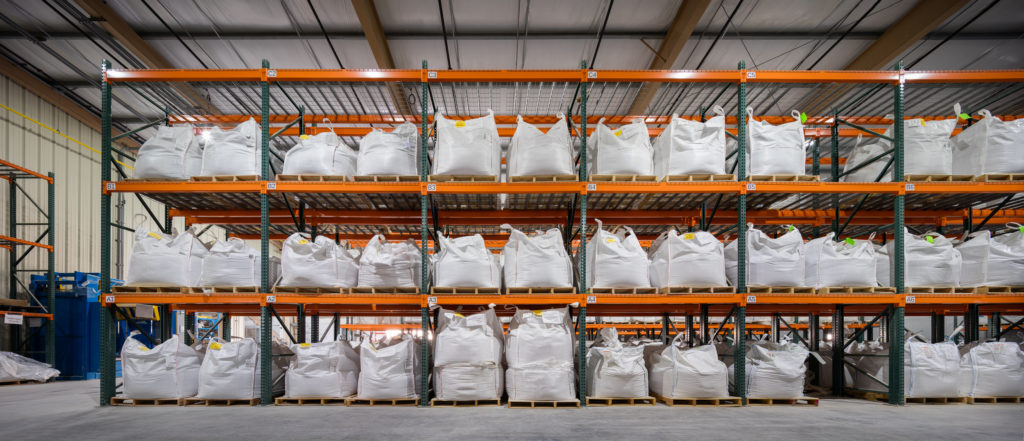
A leading U.S. business group has raised concerns over the availability of critical minerals from China, warning that some materials essential for advanced manufacturing and clean energy technologies have become “nearly unobtainable.” The statement highlights growing anxieties among industries that depend heavily on a stable supply of strategic minerals.
The warning comes as global competition for critical resources intensifies and governments seek to secure supply chains for industries ranging from electric vehicles and renewable energy to semiconductors and defense technologies. Business leaders say restricted access to certain minerals could disrupt production schedules, increase costs, and slow technological development.
China remains a dominant player in the global critical minerals market, controlling significant portions of mining, processing, and refining capacity for several strategic materials. This position has made the country a key supplier to manufacturers worldwide, particularly for rare earth elements and other minerals used in high-tech applications.
According to industry representatives, companies are facing increasing challenges in sourcing some materials due to supply constraints, export controls, and evolving trade policies. Businesses have expressed concern that prolonged shortages could affect investment decisions and weaken supply chain resilience across multiple sectors.
Critical minerals play a vital role in modern technologies. They are used in batteries, electric motors, wind turbines, solar panels, aerospace systems, telecommunications equipment, and advanced defense applications. As demand for these technologies continues to grow, securing reliable access to raw materials has become a strategic priority for many nations.
The concerns have renewed calls for greater diversification of mineral supply chains. Industry groups and policymakers are advocating increased investment in domestic mining, processing facilities, recycling technologies, and partnerships with allied countries to reduce dependence on a limited number of suppliers.
Experts note that developing alternative supply sources is a complex and long-term process. Mining projects often require years of exploration, permitting, financing, and construction before reaching commercial production. Similarly, establishing refining and processing capacity involves substantial capital investment and technical expertise.
The issue has also intensified discussions around resource security and economic competitiveness. Governments in North America, Europe, and Asia have introduced initiatives aimed at strengthening domestic critical mineral industries and encouraging strategic stockpiling of essential materials.
Market analysts believe demand for critical minerals will continue to rise as countries accelerate their energy transition goals and invest in advanced manufacturing capabilities. This trend is expected to increase competition for resources and further elevate the strategic importance of reliable supply chains.
The latest warning from the U.S. business community underscores the growing urgency surrounding critical mineral availability. As industries seek to secure long-term access to essential materials, governments and businesses alike are expected to intensify efforts to diversify supply sources and reduce vulnerabilities in the global resource market.