
US Critical Minerals Funding Expected to Withstand Congressional Shift, Advisers Say

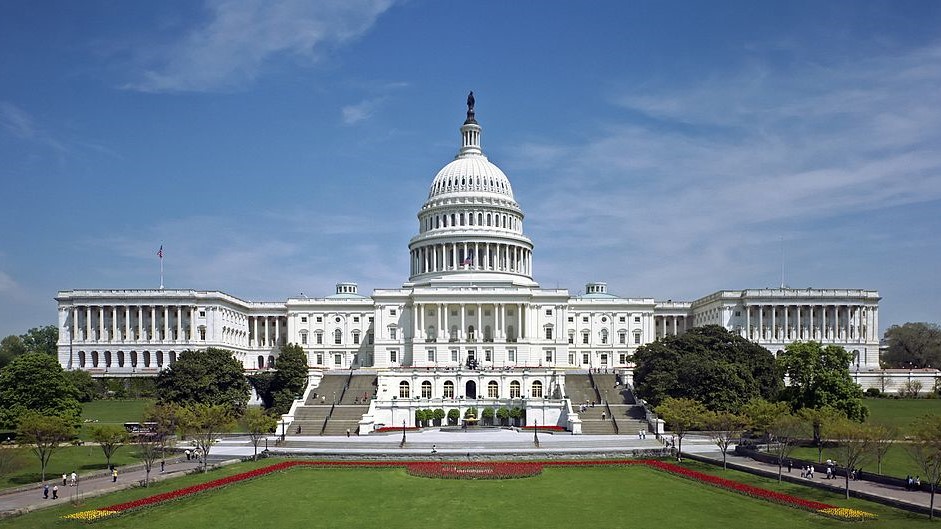
Washington, November 11, 2026: Funding and policy support for the development of critical minerals in the United States are expected to remain largely intact despite a major shift in congressional control, according to industry advisers and policy experts. While incoming Democratic lawmakers may increase scrutiny of the Trump administration’s mining investments and trade policies, the broader objective of strengthening domestic critical mineral supply chains is likely to retain bipartisan support.
The November 3 midterm election results have created a new political landscape in Washington, with Democrats securing majorities in both the US House of Representatives and the Senate. The change could influence how the government approaches mining projects, federal investments, tariffs and financial assistance for strategic mineral producers.
However, industry experts believe that reducing America’s dependence on foreign suppliers, particularly China, remains a national security and economic priority that both political parties recognise.
Democrats May Increase Scrutiny of Mining Investments
The incoming Democratic-led Congress is expected to use its oversight powers to examine several mining-related agreements and investment decisions made by the Trump administration.
These could include federal equity investments in mining companies, government-backed financial arrangements, permitting decisions and other initiatives designed to accelerate domestic mineral production.
Democratic lawmakers may organise congressional hearings, request documents and investigate how federal resources have been allocated to private mining businesses.
According to industry advisers cited by S&P Global, the extent of these investigations will determine whether the political transition results in substantial policy changes or primarily increases regulatory and administrative scrutiny.
Critical Minerals Remain a Bipartisan Priority
Despite potential political disagreements, the mining industry expects bipartisan cooperation on strengthening domestic production capabilities.
Critical minerals such as lithium, cobalt, nickel, graphite and rare earth elements are essential for electric vehicle batteries, renewable energy systems, semiconductor manufacturing, aerospace technologies and defence equipment.
The United States currently faces significant supply-chain challenges because China has a dominant position in several stages of global critical mineral processing and refining.
Industry representatives argue that building reliable domestic supply chains is essential to protecting American manufacturing, creating jobs and reducing strategic dependence on overseas suppliers.
The National Mining Association has also emphasised that strengthening the American mining industry remains important regardless of which political party controls Congress.
Trump’s Mining Deals Could Face Greater Oversight
One of the major areas of potential political disagreement involves the Trump administration’s approach to investing directly in mining companies and securing strategic stakes in critical mineral businesses.
Some Democratic lawmakers are expected to question the terms, transparency and financial implications of these arrangements.
The administration’s use of federal resources to support private-sector mining projects could also attract greater attention from congressional committees.
However, reversing existing policies may prove difficult. Legislative efforts to restrict presidential tariff powers, for example, could face a presidential veto and require a two-thirds majority in both chambers of Congress to override it.
This could limit the ability of the incoming Democratic majority to make sweeping changes to existing trade and industrial policies.
US Seeks to Reduce Dependence on China
The development of a domestic critical minerals industry has become an increasingly important part of America’s economic and national security strategy.
The government is seeking to expand mining, processing, refining and recycling capabilities to secure supplies of materials required by advanced manufacturing and defence industries.
Federal initiatives, government-backed financing and private-sector investment are expected to play important roles in developing these capabilities.
The broader policy objective is to establish a more resilient mineral supply chain that can withstand international trade disruptions, geopolitical tensions and fluctuations in commodity prices.
Outlook: Political Changes, but Strategic Priorities Remain
The change in congressional leadership could introduce new challenges for mining companies receiving federal support. Greater oversight, policy discussions and potential changes to trade regulations may influence investment decisions across the sector.
Nevertheless, industry advisers believe that the fundamental need to strengthen America’s critical minerals industry will continue to attract support from both Republicans and Democrats.
For mining companies, investors and manufacturers, the coming months will be important in determining how the new Congress approaches federal funding, strategic investments and domestic mineral production.
The central challenge for Washington will be maintaining long-term investment confidence while ensuring transparency and accountability in the use of public resources.