
Codelco’s Inflated Copper Output Scandal Hits 42,100 Tonnes, Raising Questions Over Mining Transparency

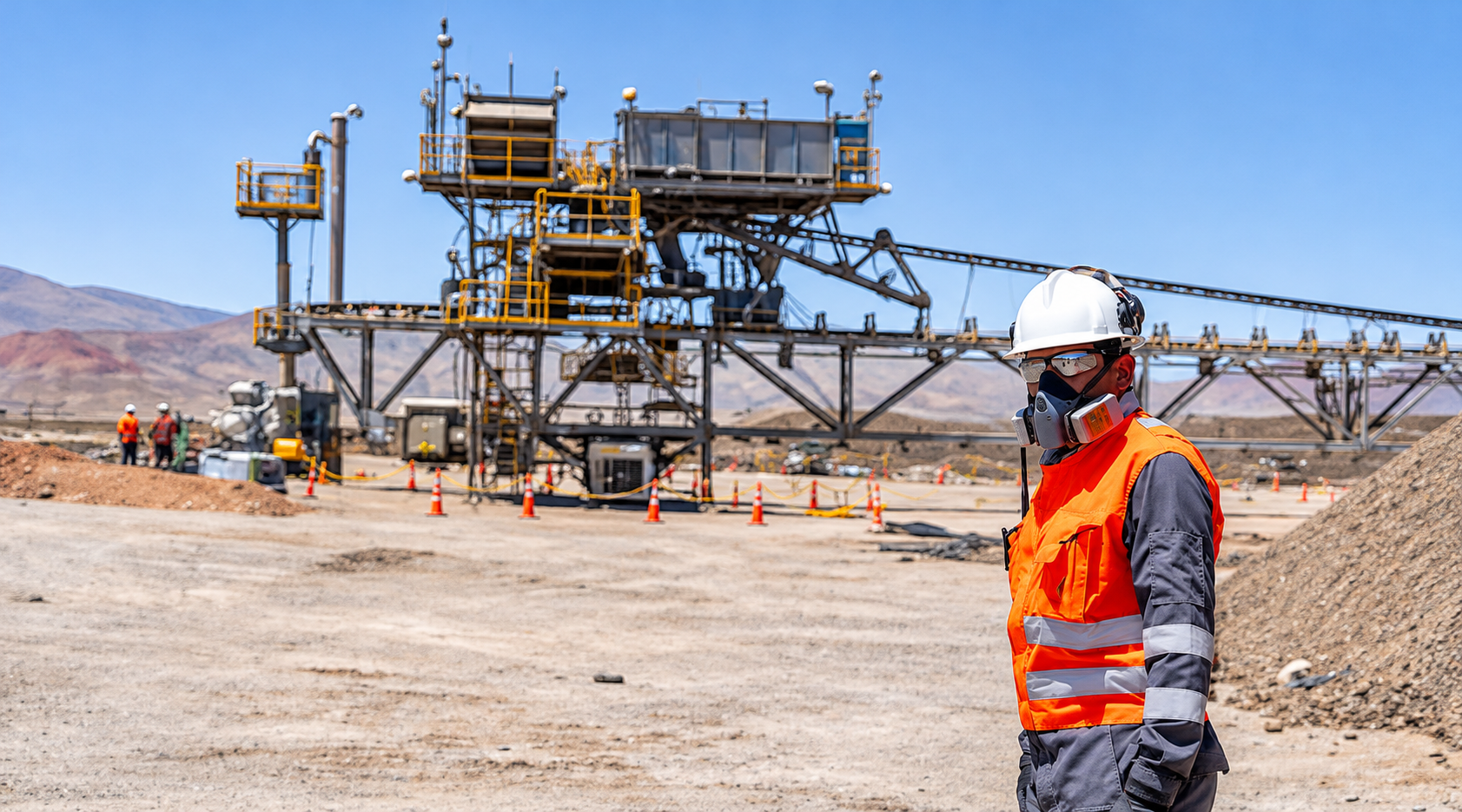
SANTIAGO, November 6, 2026: Chile’s state-owned copper giant Codelco is facing mounting scrutiny after confirming that its reported copper production was artificially inflated by approximately 42,100 metric tonnes during 2024 and 2025. The revelation has raised serious questions about the company’s internal controls, production reporting practices and financial management.
Codelco Chairman Bernardo Fontaine disclosed the figures during an extraordinary shareholders’ meeting on Thursday, November 5. The company is one of the world’s largest copper producers and plays a significant role in global copper supply.
According to the investigation, irregularities involved the classification and reporting of copper production across multiple mining divisions. In certain cases, material that had not completed the required processing was recorded as finished production. Other discrepancies involved the recording of material that did not qualify as new production.
The findings have intensified concerns about the company’s operational performance at a time when global demand for copper is increasing due to electrification, renewable energy, electric vehicles and artificial intelligence infrastructure.
Separate Inventory Irregularity Raises Financial Concerns
Alongside the production reporting discrepancies, Codelco has identified a separate inventory irregularity involving approximately 17,000 tonnes of copper. The financial impact associated with this issue has been estimated at between $120 million and $140 million.
The company has indicated that the financial loss corresponds to approximately 15,200 tonnes of copper, which forms part of the broader over-reported production figures.
The discrepancies have prompted questions about the accuracy of historical production data and the effectiveness of the company’s inventory management systems.
Codelco has already commissioned independent audits and initiated investigations to establish the extent of the irregularities and identify those responsible.
Nine Employees Dismissed as Investigations Continue
In response to the findings, Codelco has dismissed nine employees across three mining operations and its corporate offices. The company is also reviewing the responsibilities of executives and other personnel who may have been involved in the reporting irregularities.
The investigations are intended to determine how the discrepancies occurred, whether production targets and employee incentives were affected, and whether any financial damage resulted.
The company is also strengthening its internal monitoring, production verification and inventory tracking procedures to prevent similar incidents.
Copper Production Faces Additional Pressure
The scandal comes at a difficult time for Codelco, which has been struggling to reverse a prolonged decline in copper production.
Despite investing approximately $32 billion over the past eight years, the company’s annual copper output has declined from around 1.6 million tonnes to approximately 1.2 million tonnes.
Fontaine indicated that Codelco’s 2026 production is expected to be slightly above 1.2 million tonnes, significantly below its previous target of 1.34 million tonnes.
The company expects annual production to remain around 1.3 million tonnes over the next four years, highlighting the challenges involved in restoring output and improving operational efficiency.
Financial Performance and Rising Debt Under Scrutiny
Codelco’s financial position has also attracted attention following the latest revelations. The company has faced rising operational costs, increasing debt and difficulties in delivering expected returns from major mining investments.
Fontaine said the company transferred approximately $7 billion to the Chilean government over the past four years, while its debt increased by around 50% during the period.
The chairman also highlighted concerns about the financial performance of major development projects, arguing that substantial capital expenditure had not translated into the expected increase in copper production.
The company is now working on a recovery strategy focused on improving profitability, strengthening cash flow, increasing operational accountability and prioritising investments with stronger financial returns.
Global Copper Market Watches Codelco Developments
The developments at Codelco are significant for the international copper market because Chile is one of the world’s leading copper-producing countries.
Copper is essential to electricity transmission networks, renewable energy infrastructure, electric vehicles, industrial equipment and data centres. Growing investment in artificial intelligence and energy infrastructure is expected to support long-term demand for the metal.
Any prolonged production difficulties at a major supplier such as Codelco could add uncertainty to global supply expectations.
However, the immediate impact of the reporting scandal on physical copper availability will depend on actual production levels, inventory adjustments and the outcome of the ongoing investigations.
Recovery Plan and Accountability
Codelco’s management is now under pressure to restore confidence among investors, government authorities, employees and international mining stakeholders.
The company’s recovery strategy is expected to focus on stronger governance, independent audits, improved production accounting and greater transparency in operational reporting.
The investigation will also determine whether additional disciplinary or legal measures are necessary.
The latest revelations highlight the importance of accurate production reporting in the global mining industry, where operational data influences financial performance, investment decisions and commodity market expectations.
For Codelco, the challenge extends beyond correcting 42,100 tonnes of reported production. Rebuilding confidence in its management systems, improving actual copper output and ensuring that future investments generate measurable returns will be central to its long-term recovery.