

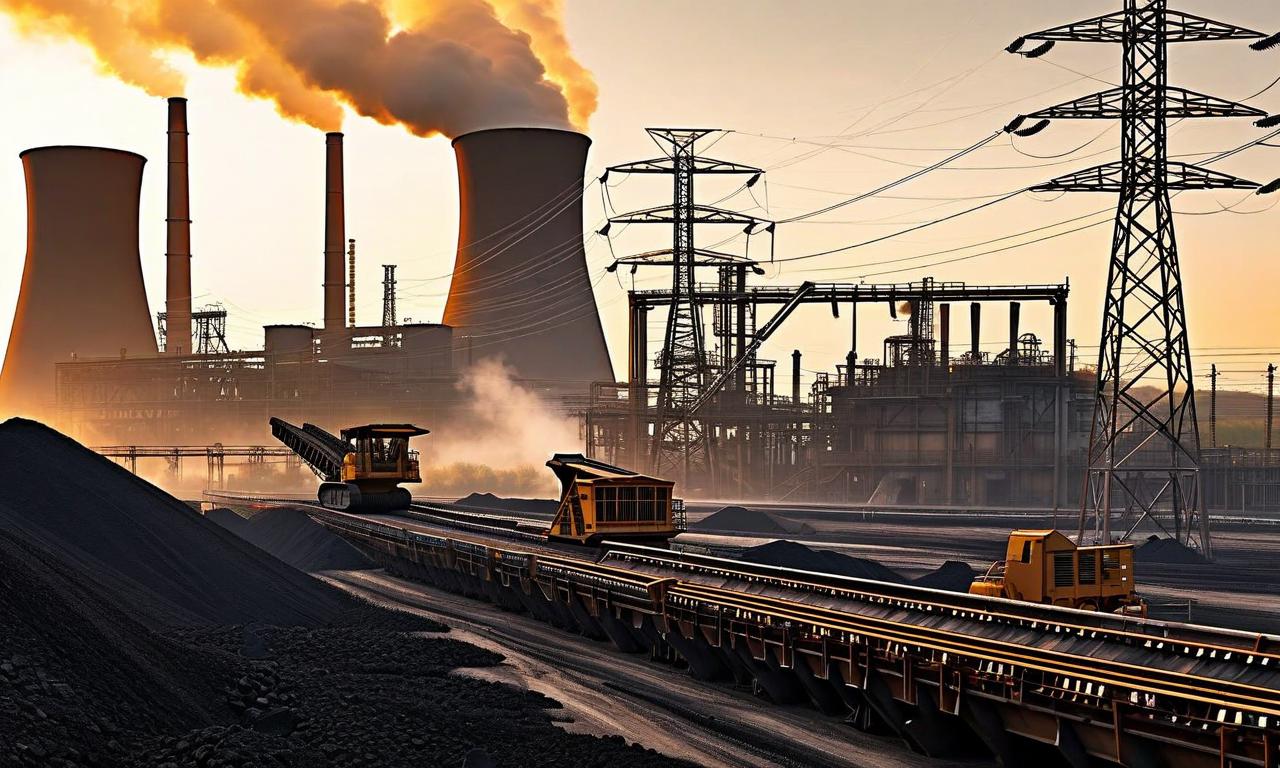
Government Steps Up Coal Production and Railway Transportation to Prevent Summer Power Shortages and Ensure Energy Security
New Delhi: India is planning a major increase in coal inventories at thermal power plants, targeting at least 55 million tonnes by March 2027, nearly three times the current stock level of around 18 million tonnes. The move is aimed at preventing electricity shortages and ensuring uninterrupted power generation ahead of next summer’s peak demand.
The target has been jointly set by the Ministries of Coal, Power and Railways, which are coordinating efforts to strengthen coal production, transportation and distribution across the country.
The initiative comes amid concerns over declining coal inventories, rising electricity demand and disruptions in fuel supply. Current coal stocks at power plants are estimated to cover only around six days of consumption, significantly below the government’s preferred reserve level of approximately three weeks.
Coal India and Railways to Increase Supply
Coal India Limited, the country’s largest coal producer, is expected to play a crucial role in achieving the ambitious target. The company has increased production and coal dispatches to power plants, with shipments reaching a record level in October 2026.
More than 80% of these shipments were directed towards power stations supplying electricity to the national grid.
Indian Railways is also expanding its transportation capacity to facilitate faster coal movement from mining regions to thermal power plants. The railway network provided approximately 20% more coal-carrying capacity in October compared with the same period last year.
The Power Ministry is reportedly seeking a further 7% increase in railway capacity by March 2027 to accelerate coal deliveries.
Power Plants Face Critical Coal Shortages
Coal inventories have remained under pressure following higher electricity consumption, weaker hydropower generation and supply disruptions in coal-producing regions.
Nearly half of India’s power stations have reportedly been operating with critically low coal inventories, increasing the risk of electricity shortages during periods of peak demand.
Recent disruptions, including weather-related challenges and Cyclone Arnab, have also highlighted vulnerabilities in the country’s coal transportation and supply chain.
Although inventories have started recovering as temperatures decline and electricity demand eases, authorities are looking to build sufficient reserves before the next summer season.
Industrial Consumers Face Supply Pressure
While the government is prioritising coal deliveries to electricity-generating power plants, other industrial consumers are experiencing tighter availability.
Companies operating captive power plants have reported delays in receiving contracted coal supplies. Some businesses have been forced to purchase coal through spot auctions at higher prices or obtain electricity directly from the grid.
Industries such as paper manufacturing and other energy-intensive sectors are also facing challenges in securing adequate fuel supplies.
Industry representatives have raised concerns that further prioritisation of thermal power stations could increase operating costs and disrupt industrial production.
Energy Security Remains a Government Priority
The proposed 55-million-tonne coal stock target reflects India’s continued dependence on coal-based electricity generation despite the expansion of renewable energy capacity.
Thermal power remains a major source of India’s electricity supply, making reliable coal availability essential for maintaining grid stability and meeting rising consumption.
The government is therefore focusing on strengthening domestic production, improving railway logistics and building larger reserves to minimise the impact of unexpected supply disruptions.
Achieving the March 2027 target will be important in determining India’s preparedness for the next summer’s electricity demand and ensuring a more stable energy supply for households, businesses and industries.