
I Checked Out Tesla’s New Model YL, Standard Y, Model 3 In Person — Here’s What Surprised Me

Support CleanTechnica’s work through a Substack subscription, on Patreon, or on Stripe. Help us produce all of the high-quality, original content we publish week after week despite the challenges of content-scraping AI, antisocial media, inflation, and other hurdles.
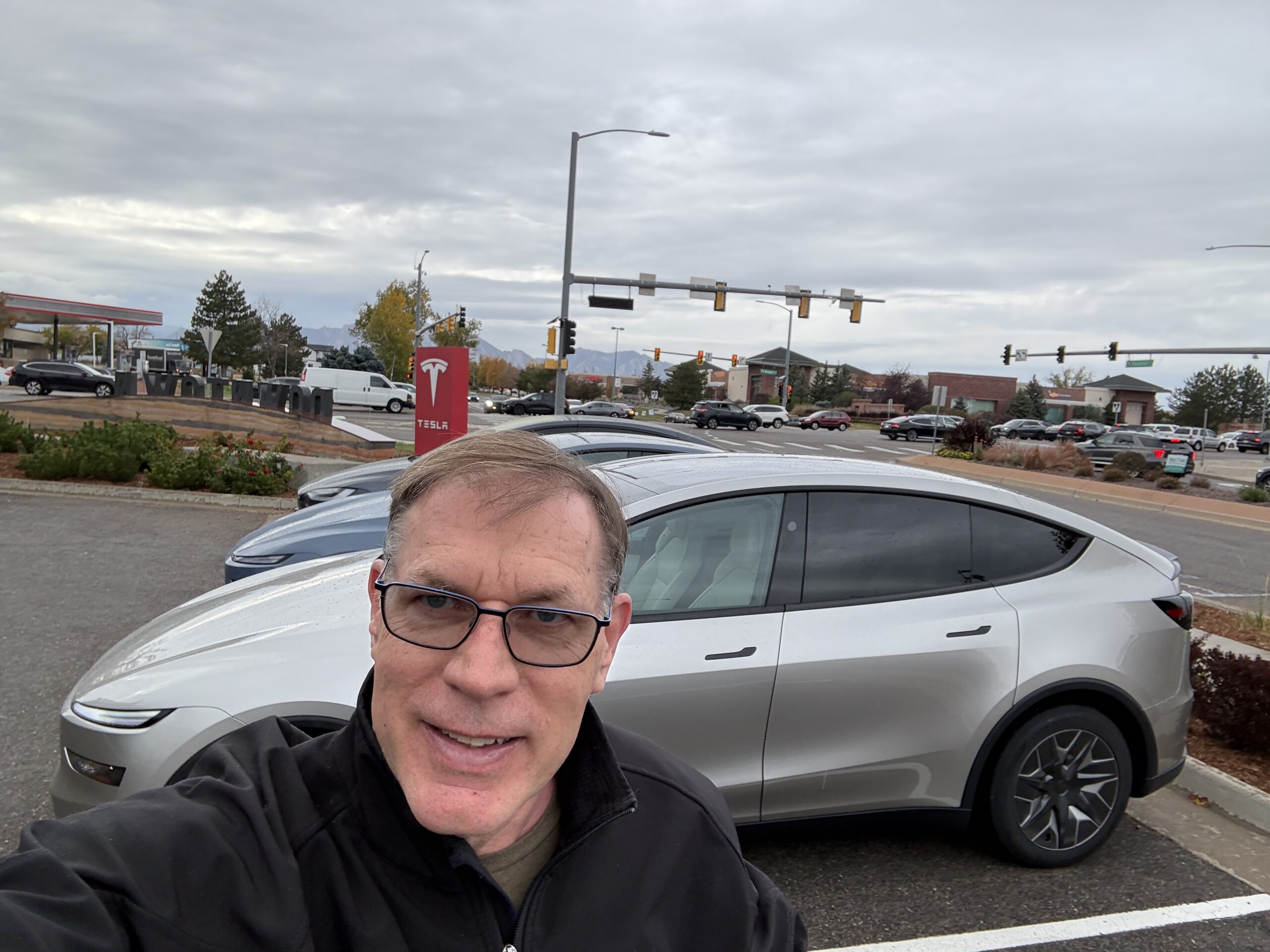
I finally got to see the new Tesla Model YL, Model Y Standard, and Model 3 Standard in person a few weeks ago and wanted to give my thoughts on the three models. I drove the two Model Ys and just looked at the Model 3 Standard. I was visiting relatives in Colorado and visited the Tesla dealer in Superior, Colorado (a very progressive part of Colorado). The dealer was very busy, but not quite as busy as I saw when the tax credit was expiring last year.
Tesla Model YL
As I mentioned in this article 4 months ago, I’ve been a fan of the Model YL since it was announced in China, and finally in the US recently. As a parent of 3 kids and an owner of a series of 3 minivans over 30 years, I’m well aware of the criticism that Tesla doesn’t make a car suitable for large families. The Model X was a partial solution to this problem, but had two large flaws in my opinion.
- It didn’t have near the passenger and cargo space as a minivan or large SUV like the Toyota Grand Highlander or the Chevrolet Tahoe. The Model X had a tight 3rd row vs. the others having 3rd rows built for large adults. The Model X also had much less cargo room than the others.
- The Model X sold for around a $80,000 to $100,000 (at various times, excluding the Plaid), which was around double the price of the minivans and Grand Highlander. The Chevy Tahoe, starting at $60,000, only makes sense if you need to tow a lot (up to 8,400 pounds), need to seat 9, or just prefer Chevrolet.
So, I wanted to see if the Model YL solved these two issues with the Model X. The short is answer is that it solved the price issue but not the space issue. The premium launch edition at $61,990, with about $11,000 in free options, is plenty affordable — although, still a bit more than a minivan or a Grand Highlander. In fact, I optioned up a Model Y Premium with similar features (including the 3rd row) and it came out to about $60,000! So, this suggests the Model YL will be available for about $53,000 or approximately a $3,000 upcharge once they stop selling the Launch Edition (similar to the price difference in other global markets). On space, the Model YL is pretty similar to the Model X. Good enough for many families, but not as spacious as minivans, the Grand Highlander, or the Chevy Tahoe. You can see from the screenshot below that the Model YL is sold out for 2026, and the dealer was telling people to not expect them until March 2027.
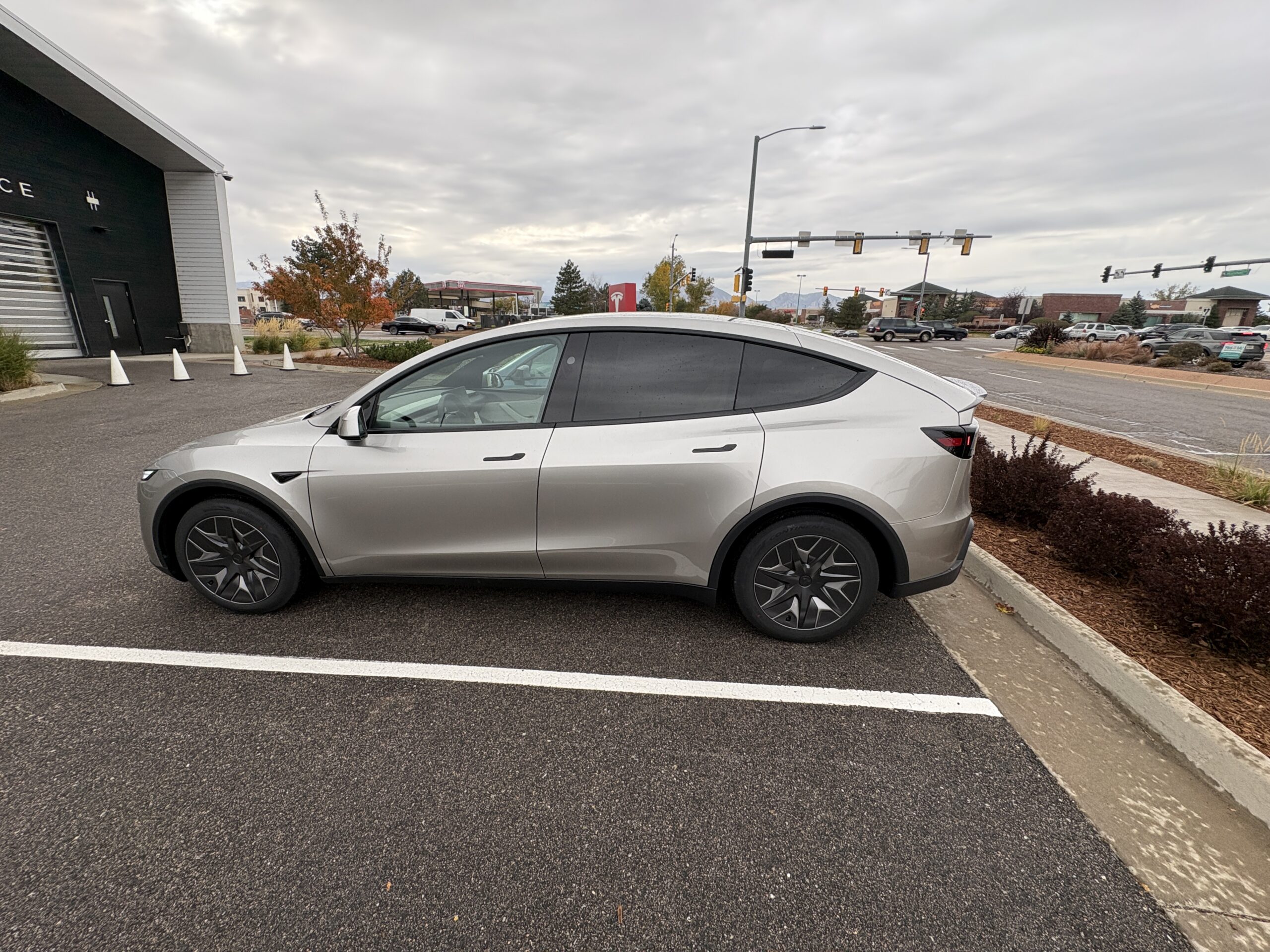
I thought it would look more different than the regular Y. I found it difficult to tell the difference at a glance.
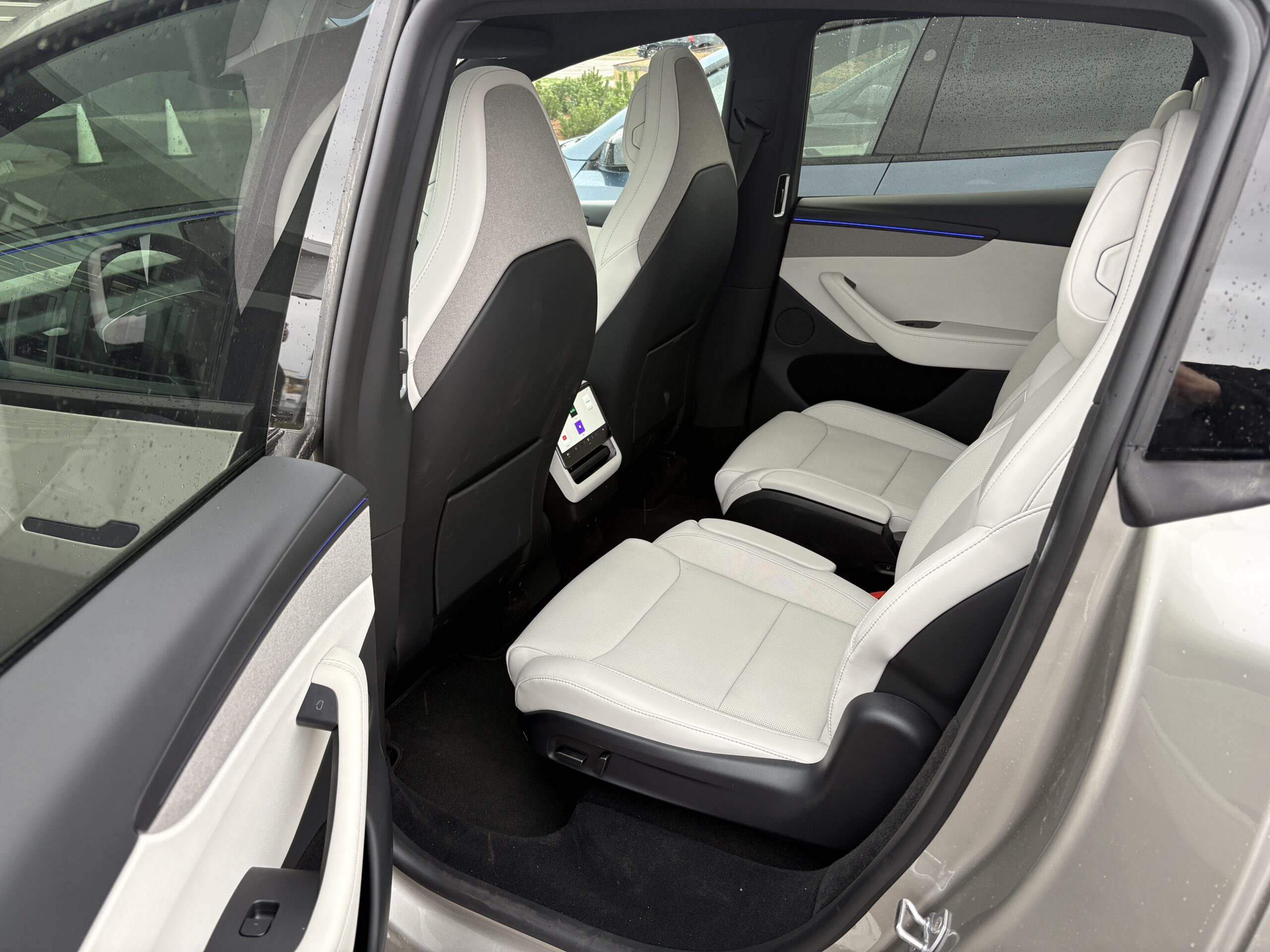
The second row was very comfortable, with heated and cooled seat and plenty of room and adjustable headrests. A significant upgrade to the second row of the regular Y!
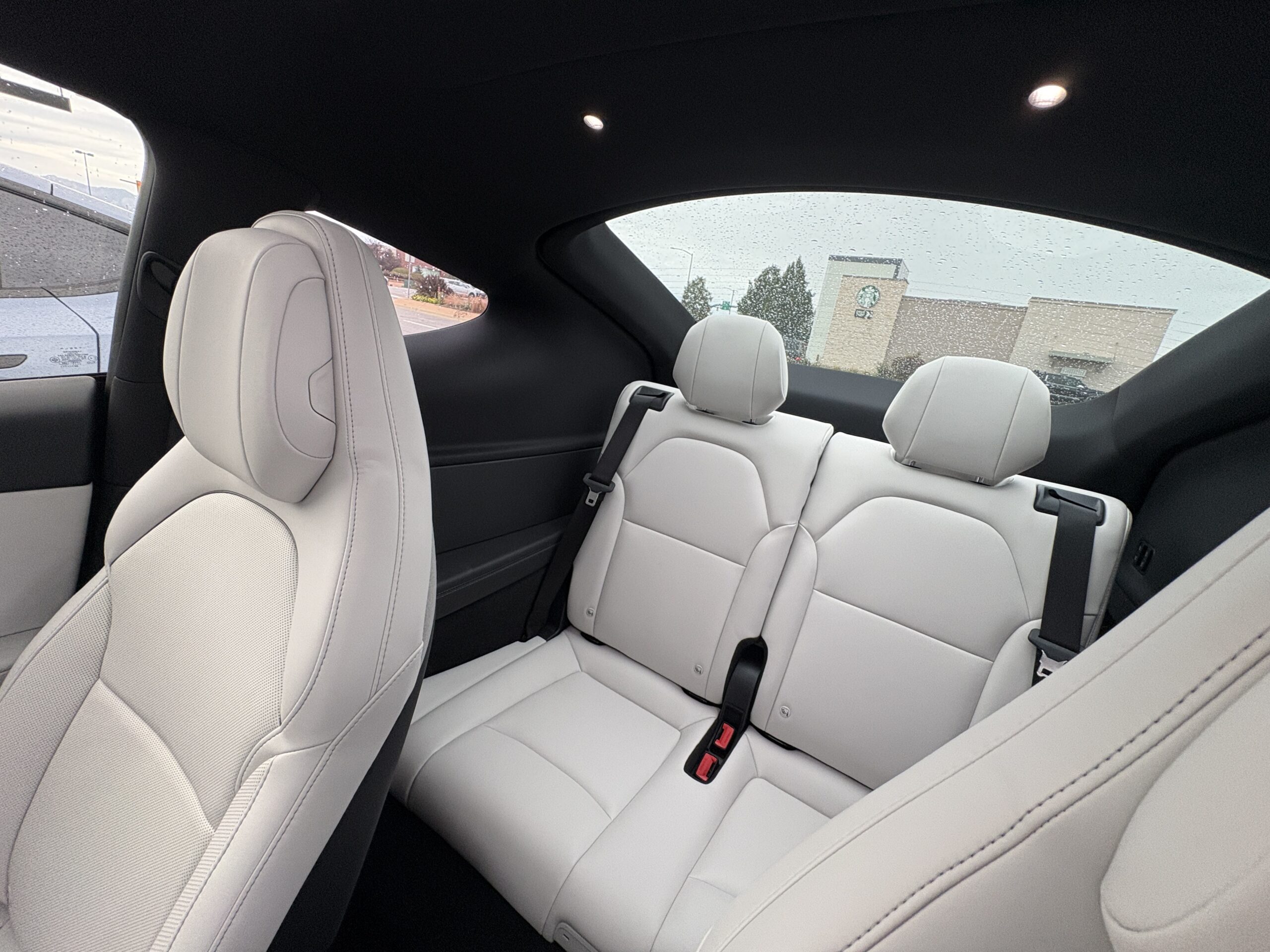
The third row was a mixed bag. The seats are heated, but not cooled. It does have vents for both air conditioning and heat. It’s not as spacious as the first and second rows, but at 6′ 2″, I was comfortable and would be fine on a long drive. I did find it challenging to get to the 3rd row, since the second row didn’t slide forward like it does in many vehicles (including the regular Model Y). You are expected to sneak between the two seats in the second row, which works for most people, but older folks like me don’t like it.
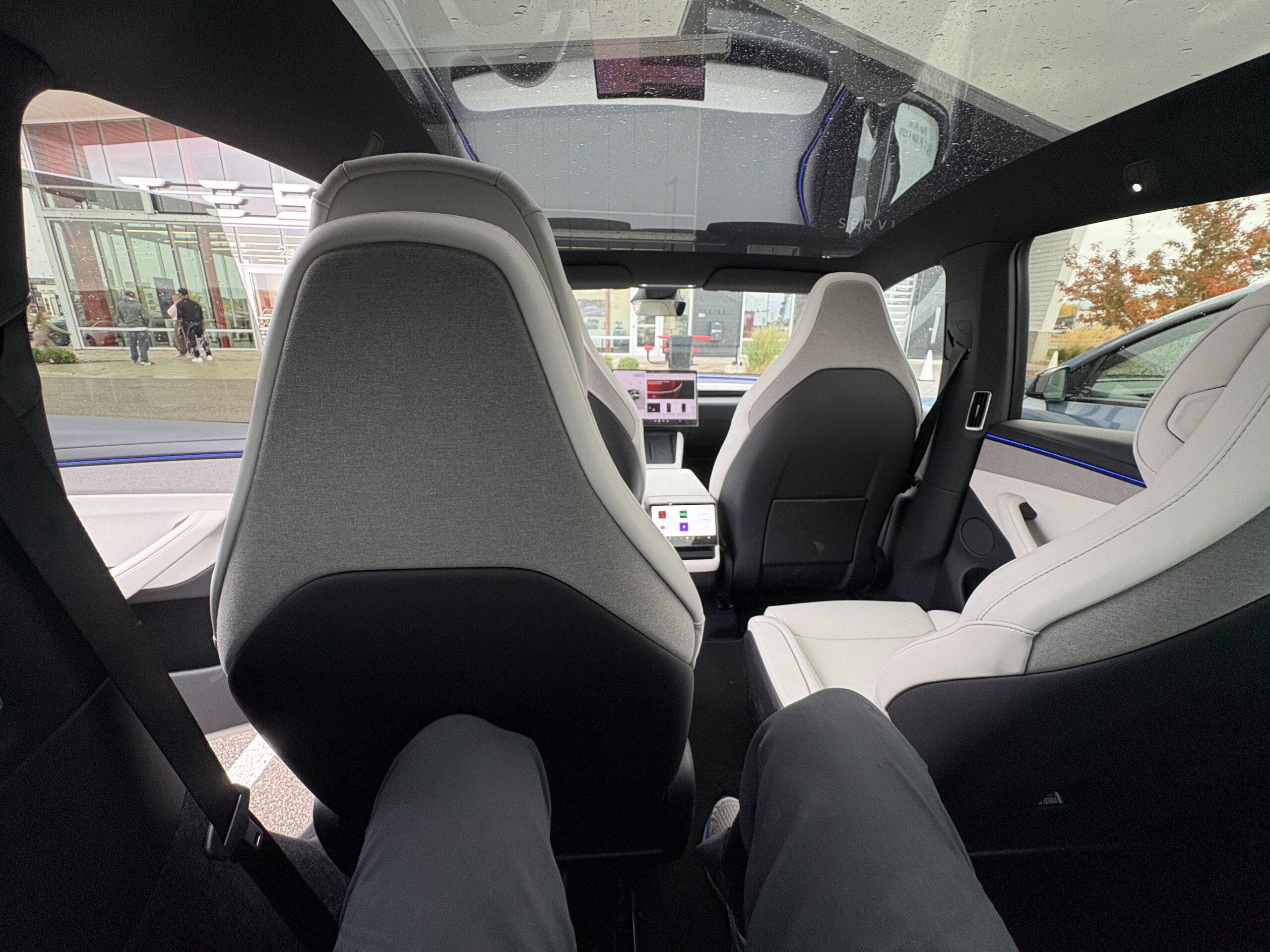
Leg room was adequate (not not generous), but I was more comfortable putting one leg in the middle as shown. Had I moved up the second row, I would have had plenty of room, but then it would have been crowded. I was setting all three rows as best I could for 6-feet-tall people in all 3 rows. This is MUCH better than the 3rd row in the regular Model Y, which is only appropriate for children and small adults.

I was amazed I had an inch or two of space above my head in the 3rd row. I forgot to take any pictures of the first row. It does have an extra thigh support adjustment that is nice, but is mostly just like all of the other Model Y (great, but nothing new). Handling and accelerations were about the same as a Premium Model Y dual motor. The ride was a little softer (the YL has electronically controlled dampers, tuned for comfort) than the 2026 Model Y Premium (frequency dependent passive controlled dampers, tuned for a balance of comfort and handling) and much improved over my 2021 Model Y (conventional passive shock absorbers, great for handling but gives a harsh ride) and the 2026 Model Y Standard (retuned conventional passive shock absorbers, a balance between handling and ride). Full Self Driving (Supervised) was promoted by the sales advisor and was perfect on the short test drive.
Tesla Model Y Standard

The Model Y Standard reminded me most of my daughter’s 2024 Model Y Rear Wheel Drive. It is a little noisier and doesn’t ride as well as the premium model. It doesn’t have the ventilated seats and the premium audio, but for many, the $6,000 price difference makes up for that. For others, the Premium is well worth that cost. I did like the 18″ wheels that improve range and offer more sidewall for surviving large potholes. The Model Y Premium only offers 19″ and 20″ wheels. Full Self Driving (Supervised) worked perfectly on the test drive.
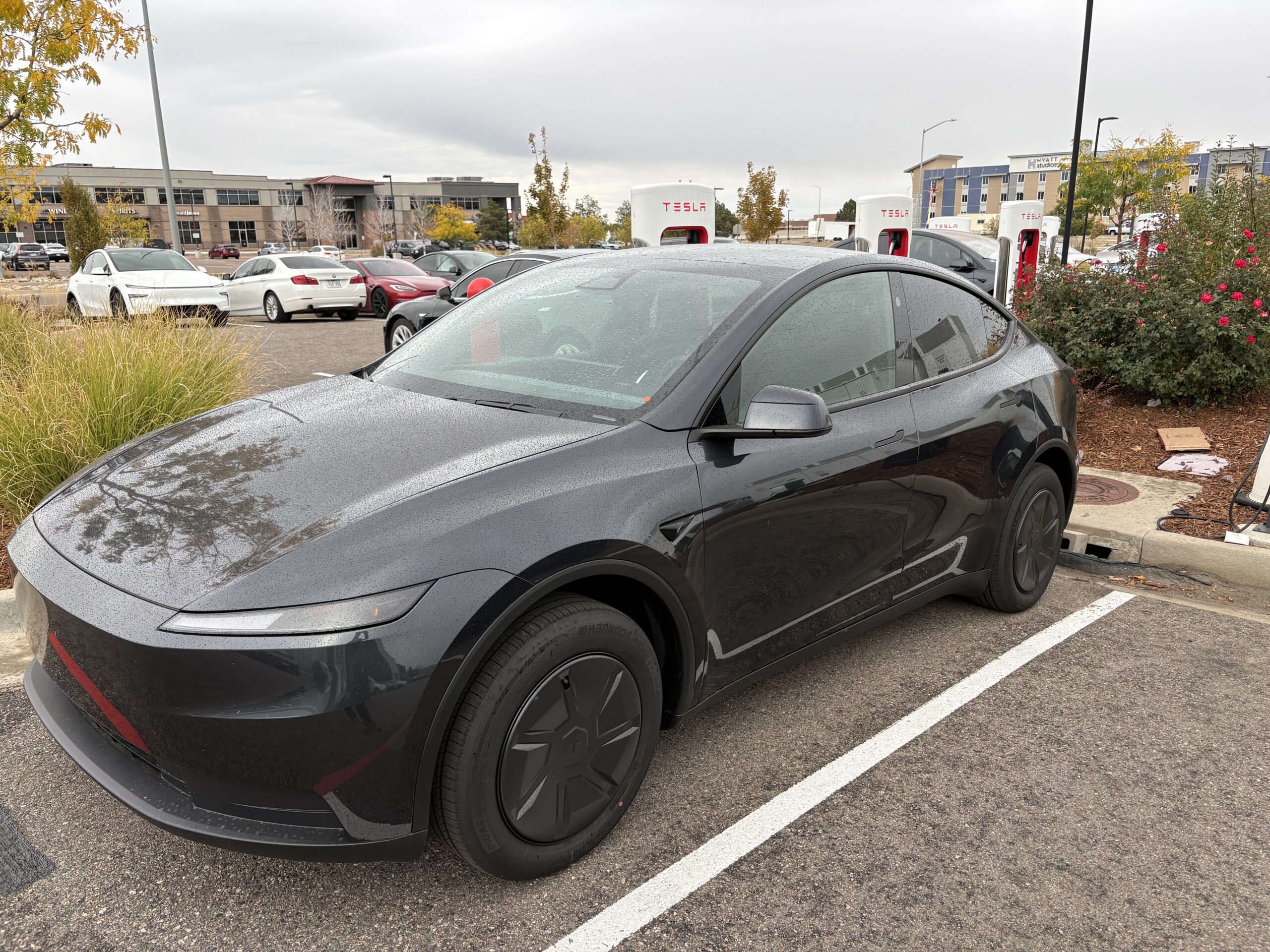
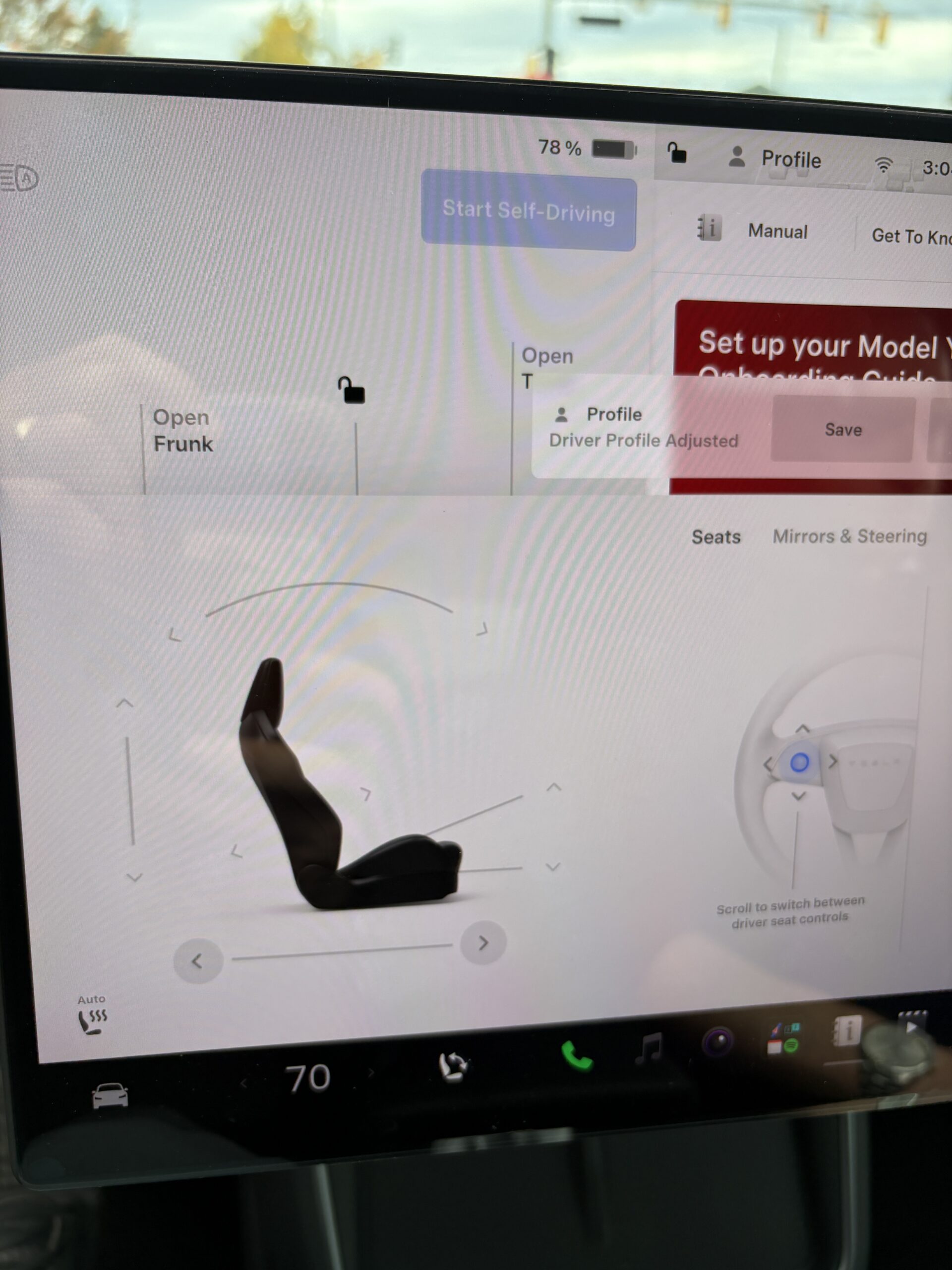
To adjust the seats, you use the screen, since there are not controls on the seats.
Tesla Model 3 Standard

I didn’t drive the Model 3 Standard, but I want to make two points about it.
- The Model 3 was announced on March 31, 2016. It was so appealing that the $35,000 car with a promised range of at least 215 EPA miles and promised acceleration of less than 6 seconds to 60 mph got 400,000 people to put down a $1,000 deposit ($1,400 in today’s dollars), and most waited 2 to 3 years to get their car. The average new car in 2016 was $34,077 (or a little less than the Model 3). Today, the average car sells for $50,562.
- The Model 3 Standard that starts at $36,990 has 321 miles of range, takes 5.8 seconds to go to 60 miles per hour, and runs FSD (Supervised and hopefully Unsupervised next year). So, it is a MUCH better car than the car that generated a stampede of orders for a much lower relative price. Now, to be fair, its gas competitors are a much worse deal than 10 years ago (for example, the BMW 3 Series that would be comparable starts at $49,900, almost $13,000 more). You can get a LEAF or a Bolt for about $30,000, but they just aren’t as appealing unless you just have no interest in self-driving technology.
Conclusion
After seeing the Model YL, Model Y Standard, and the Model 3 Standard in person, the takeaway is clear: Tesla has made its most practical vehicles significantly more accessible without abandoning the core strengths that made the brand popular.
The Model YL addresses the long-standing complaint that Tesla lacked a true family hauler. While it still doesn’t match the passenger or cargo space of a minivan or large three-row SUV like the Grand Highlander or Tahoe, it is a meaningful improvement over the regular Model Y’s third row and far more usable for adults or even teenagers. At roughly $53,000 once the Launch Edition incentives end, it finally offers a realistic alternative to the much more expensive Model X or Rivian R1S (~$90,000 for comparable 6 seat layout) for families who want three rows without the premium price.
The Model Y Standard reinforces that Tesla can still deliver strong value at a lower price. It gives up ventilated seats, premium audio, and some refinement, but the $6,000 savings and more practical 18-inch wheels make it a sensible choice for some buyers. Meanwhile, the Model 3 Standard stands out as an even better relative deal than the original 2016 Model 3 that created such intense demand — more range, quicker acceleration, and Full Self-Driving capability at a price that remains extremely competitive in today’s market. I was disappointed when these models were announced a year ago, as I wrote about here, mainly because I felt Tesla promised a smaller car for under $30,000. However, all three of these vehicles have found their market in the US, as evidenced by the long waitlist to get all three and the lack of discounts and aggressive financing deals available.
Taken together, these three models show Tesla broadening its appeal. The company is no longer only competing at the premium end; it is also offering capable, reasonably priced options for both families and efficiency-focused buyers. For those who have been waiting for Tesla to better serve larger households or entry-level shoppers, the current lineup finally delivers more realistic choices.
If you want to take advantage of my Tesla referral link to get a free month of Full Self Driving, here’s the link: https://ts.la/paul92237 — but if another owner helped you more, please use their link instead of mine.
Disclosure: I am a shareholder in Tesla and XPeng. I offer no investment advice of any sort.
Sign up for CleanTechnica’s Weekly Substack for Zach and Scott’s in-depth analyses and high level summaries, sign up for our daily newsletter, and follow us on Google News!
Have a tip for CleanTechnica? Want to advertise? Want to suggest a guest for our CleanTech Talk podcast? Contact us here.
Sign up for our daily newsletter for 10–15 new cleantech stories a day. Or sign up for our weekly one on top stories of the week if daily is too frequent.

CleanTechnica uses affiliate links. See our policy here.
CleanTechnica’s Comment Policy