
Support CleanTechnica’s work through a Substack subscription, on Patreon, or on Stripe. Help us produce all of the high-quality, original content we publish week after week despite the challenges of content-scraping AI, antisocial media, inflation, and other hurdles.
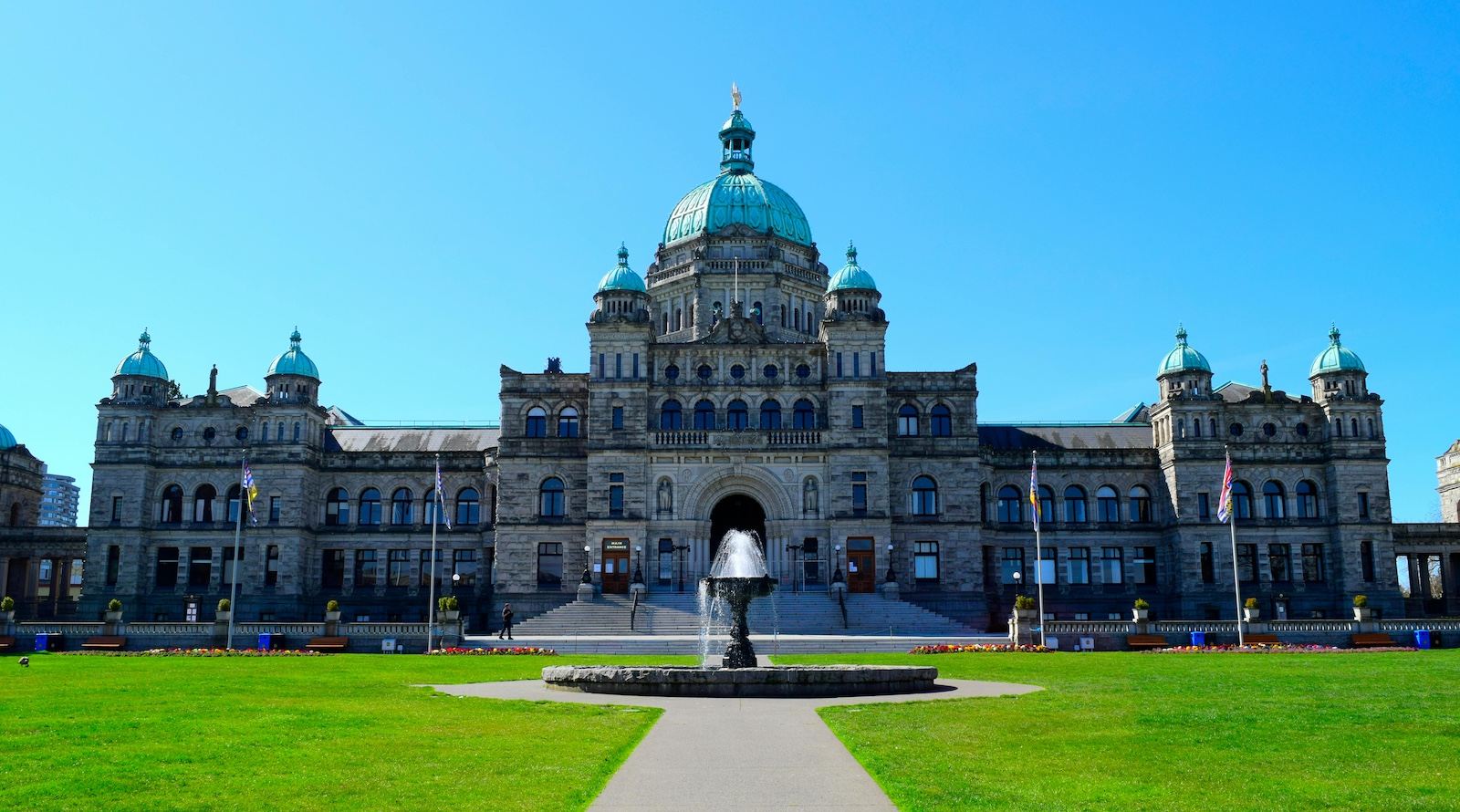
This month, the Conservative Party in British Columbia won its first major victory in nearly a century. Reuters reports that the result “marks an end to nine years of power for the left-of-center New Democrats, who voiced opposition to new oil pipelines and supported a ban on tankers along the province’s northern coast.”
Lorne Doerkson, the leader of the Conservatives, has a long list of actions he plans to take as soon as he takes office. After the election, he said his party would double methane production by 2032 and triple it by 2035. “I believe in energy. We will cut red tape like it’s never been cut before.” He promised to “supercharge” the British Columbia economy and will host a business summit in Vancouver next year.
During the campaign, the Conservatives promised to end emissions limits, replace the province’s carbon tax framework, and reach out to energy providers that had left the province’s LNG sector since 2018, including ExxonMobil, Chevron and Woodside. How that will benefit the people of British Columbia is unclear. In polling prior to the election, a majority said their major concerns were cost of living issues, healthcare, and the ongoing trade war with the US. While the Conservatives won, voter turnout was under 50 percent for the first time in years.
Hello, Methane
Is there an explanation for why a province that for years has prided itself on its climate friendly policies has suddenly turned its face to fossil fuels, especially LNG? There is and it is associated more with policies coming from the nation’s capitol. Prime minister Mark Carney, reacting to the insanity of the current US administration, has pledged to make Canada an “energy superpower,” one that no longer relies on refineries and pipelines in the US to power its industries, provide gasoline and diesel for its vehicles, or heat its homes.
The vote in BC may have been more of an endorsement of Carney’s agenda than an outright rejection of the provinces “green” stance over the past decade. Interestingly enough, on the campaign trail yesterday in Port Huron, Michigan, America’s so-called president told a small audience the trade war he unilaterally started with Canada may “end pretty soon.”
sIf that’s the case, the Canadians don’t seem to know anything about it. When he issues his blasts of bombast, the US pretend president expects people to kowtow to him, so he can brag about what a great deal maker he is. Mark Carney refused to play that game ,and responded in kind with tariffs designed to punish US interests.
The odds of the Canadian tariff war end soon are the same as the lunatic king’s insistence that the Iran war will end soon, that diesel and gasoline prices will come down soon, that interests rates will come down soon, that the economy is booming, and that interest rates will soon be the lowest in history. In sum, he is the world’s biggest BS artist and Mark Carney is one of the few who has stood up to him and called his bluff.
Climate Takes A Back Seat To Pollution
According to The Narwhal, an alternative Canadian news source, the Conservative platform makes only passing reference to climate considerations. It says “climate decisions” should be based on three principles — protecting people from extreme weather, reducing emissions in B.C. and beyond, and delivering measurable results. “The need to develop our natural resources must always be weighed against the need to conserve our bounty through responsible resource management,” the platform states.
Responsible resource management apparently means extracting every cubic foot of methane that can be found in the province, compressing it until it becomes a liquid, then shipping it to Asian nations from new terminals on Canada’s west coast. What appears to be missing from that plan is any understanding of the impact the madness in the Middle East brought on by the whim of an American president has had.
The lesson learned around the world is that relying on energy from foreign countries is an invitation to national suicide. Instead, countries are racing to expand their renewable energy resources, so they can control their own energy destiny. Against that backdrop, the Conservatives seem to have omitted an important step in their business plan — figuring out who their customers are and what the demand for Canadian LNG will be.
The Kelvin Wave Effect
Another failing in the agenda is that it takes no notice of El Niño and the Kelvin Wave of hot ocean water headed north toward British Columbia. It is already having devastating effects on California and promises to impact BC later this year.
A Kelvin Wave also is travelling south along the coast of South America. According to Bloomberg, since July a series of powerful storms have disrupted copper mining in Chile, the world’s largest copper producing nation. Those copper mines are located in some of the driest regions of the world and are simply not equipped to deal with disruptions to road transport and port operations because of flooding.
Is British Columbia expecting to build new port facilities to ship LNG cargoes? Yes it is. Is it including plans to keep those ports operational when massive weather events occur in the future? If so, there has been no mention of it publicly. People assume the weather will always be what it has been in the past. And besides, why should Canada care about what happens in Chile? There is money to be made, and nothing must be allowed to stand in the way of that.
The Conservatives say LNG is far lower in emissions than coal, which further promotes the illusion that methane in any form is a “clean” fuel. Maybe it is cleaner when burned, but there are significant emissions involved in getting it out of the ground and onto ships. As The Narwhal points out, “Producing [methane] usually involves hydraulic fracturing, or fracking, a process that shoots high pressure water mixed with chemicals underground to fracture the rocks and release the gas. Making LNG requires running massive compressors 24/7 to cool the gas into a liquid. It’s an energy intensive process that — so far in B.C. — is largely powered by burning [methane].
Down With Regulations!
The Conservative energy platform also pledges to get rid of B.C.’s industrial carbon tax and replace it with new rules that it says would ensure B.C.’s gas exports are competitive with the United States and Qatar. It would take a new approach to tallying B.C.’s greenhouse gas emissions, one that runs counter to the 2016 Paris Agreement. The Conservative platform proposes taking credit for “emissions avoided through cleaner B.C. exports,” using the example of exported gas replacing coal, The Narwhal says.
Lorne Doerkson has also promised to use deregulation as a tool to spur economic development, partly by bringing back a ministry dedicated to getting rid of rules, processes, and laws it deems burdensome or unnecessary. For every new regulation a Conservative government makes, it would eliminate two existing regulations — which sounds like taking a page from the MAGA playbook.
In their haste to support the prime minister and poke a finger in the eye of Uncle Sam, British Columbia voters have chosen to step back from their climate intentions and open the flood gates to new exports of LNG. One can only wonder whether any serious consideration was given to what the ramifications of this election might be for the province and the world. The Earth doesn’t care if humans continue to shoot themselves in the foot when it comes to climate goals. BC voters have apparently decided they are not concerned with such trivialities.
Sign up for CleanTechnica’s Weekly Substack for Zach and Scott’s in-depth analyses and high level summaries, sign up for our daily newsletter, and follow us on Google News!
Have a tip for CleanTechnica? Want to advertise? Want to suggest a guest for our CleanTech Talk podcast? Contact us here.
Sign up for our daily newsletter for 10–15 new cleantech stories a day. Or sign up for our weekly one on top stories of the week if daily is too frequent.

CleanTechnica uses affiliate links. See our policy here.
CleanTechnica’s Comment Policy