

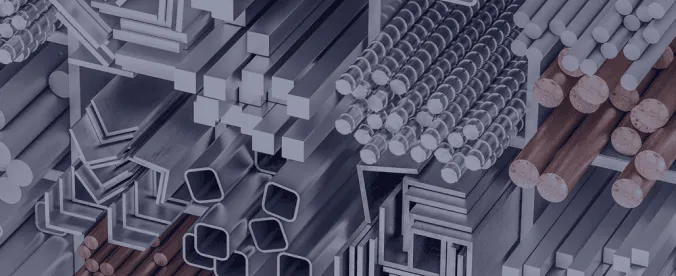
New Delhi, October 5, 2026: Copper and aluminium are becoming increasingly strategic commodities as global manufacturers, energy companies and governments compete to secure reliable supplies amid tightening markets, geopolitical tensions and rising industrial demand.
The growing urgency to secure these metals reflects a fundamental shift in the global economy. Copper is essential for power grids, electric vehicles, renewable energy systems and data centres, while aluminium is widely used in electricity transmission, transportation, construction and industrial manufacturing. With supply disruptions and trade restrictions adding uncertainty, some buyers are increasingly willing to pay premiums to obtain the quantities they need.
The World Bank reported in June 2026 that its metals and minerals price index had reached a record monthly nominal high in May, driven by supply pressures and resilient demand from clean energy and digital infrastructure.
1. Copper Has Become a Strategic Industrial Metal
Copper’s importance extends well beyond conventional manufacturing. The metal is a critical component in electrical wiring, transformers, motors, power distribution networks and renewable energy infrastructure.
The rapid expansion of electricity-intensive technologies, including artificial intelligence data centres, is adding to the need for copper-intensive infrastructure. At the same time, electrification and grid modernisation are creating additional demand from utilities, manufacturers and governments.
However, expanding copper supply is difficult. Developing new mines can require many years of exploration, permitting, financing and construction. Ore quality, operational disruptions and infrastructure constraints can further limit production growth.
The International Energy Agency’s Global Critical Minerals Outlook 2026 projects that, despite improvements in the project pipeline, copper supply could remain insufficient to meet anticipated demand through 2035. Its central scenario indicates a potential supply deficit of around 25% by 2035. <Cite refs={[“turn801836search0”]}/>
For industrial buyers, the concern is therefore not simply whether copper is expensive today, but whether enough material will be available to support future production.
2. Aluminium Faces Its Own Supply-Side Challenges
Aluminium is also attracting greater attention as manufacturers seek alternatives to increasingly expensive copper and as demand grows across transport, construction, packaging and electricity infrastructure.
Unlike copper, aluminium production is particularly energy-intensive. Smelters require large and reliable electricity supplies, making production costs sensitive to power prices and energy-market disruptions.
Geopolitical tensions in the Middle East have added to these concerns. The region is an important aluminium-producing and exporting centre, and disruptions affecting smelters, transport routes or raw-material supplies can have consequences for international availability.
The World Bank identified aluminium as one of the metals particularly affected by supply-side pressures in 2026. Its April 2026 outlook projected a significant increase in average aluminium prices for the year, reflecting supply constraints and continued demand from emerging industries. <Cite refs={[“turn801836search7″,”turn801836search3”]}/>
Meanwhile, China’s aluminium production ceiling limits the potential for unlimited expansion from the world’s largest producer. As a result, additional supply must increasingly come from new capacity elsewhere, recycling and improvements in production efficiency.
3. Buyers Are Paying for Supply Security, Not Just Metal
For many industrial companies, a shortage of copper or aluminium can be more expensive than paying a higher purchase price.
A cable manufacturer unable to obtain copper may have to delay deliveries. An electrical equipment producer facing an aluminium shortage could struggle to complete orders. For large infrastructure projects, a lack of essential metals can disrupt construction schedules and increase financing and labour costs.
These risks encourage companies to secure supplies through long-term contracts, diversified sourcing, inventory management and direct relationships with producers.
In some circumstances, buyers may accept higher prices or premiums to obtain prompt delivery. However, this does not mean every buyer is paying any price: affordability, product specifications, contract terms and the ability to substitute materials continue to influence purchasing decisions.
The market is increasingly rewarding reliable delivery and supply certainty alongside competitive pricing.
4. Tariffs and Geopolitics Are Reshaping Metal Trade
Trade policy has become another major factor influencing the copper and aluminium markets. Tariffs, export restrictions and strategic stockpiling can redirect metal flows between regions, tightening availability in some markets even when global production has not fallen sharply.
A September 2026 analysis by Goldman Sachs, reported by Business Insider, warned that tariff uncertainty could encourage stockpiling in the United States and tighten supplies elsewhere. Such changes can create price volatility and widen regional differences between metal prices.
China’s efforts to secure copper concentrate supplies also illustrate the growing importance of access to raw materials. On October 2, Reuters reported that Chinese regulators were seeking copper concentrate supply commitments from Anglo American in connection with the proposed merger with Teck Resources. The move reflects concerns over feedstock availability for China’s large copper-smelting industry.
As governments increasingly view industrial metals as strategic assets, commercial purchasing decisions are becoming more closely linked to economic security and national industrial policy.
5. AI, Electric Vehicles and Renewable Energy Add to Demand
The expansion of digital infrastructure is creating a new source of demand for industrial metals. Data centres require electrical connections, power distribution equipment, cooling systems and supporting grid infrastructure, all of which use copper or aluminium.
Electric vehicles and charging networks also rely on these metals, while solar and wind projects require extensive electrical infrastructure to connect generation facilities to consumers.
These industries do not eliminate traditional demand from construction, transportation and manufacturing. Instead, they add new sources of consumption to already established markets.
The result is a competition for materials between established industrial sectors and fast-growing technologies. If mining and refining capacity cannot expand at a comparable pace, buyers may face higher prices, longer lead times and greater uncertainty over future supplies.
6. Aluminium Gains Ground as a Substitute for Copper
Record-high copper prices are encouraging manufacturers to explore aluminium as a lower-cost alternative in applications where its technical characteristics are suitable.
Aluminium is lighter and generally less expensive, although it has lower electrical conductivity by volume than copper. This means designers may need larger cross-sections and different connectors or engineering arrangements when substituting aluminium for copper.
According to Reuters, manufacturers in the automotive, electrical cable and heating, ventilation and air-conditioning industries are increasingly adopting aluminium in selected applications to reduce costs and weight.
The substitution trend could moderate copper demand in some sectors, but it is unlikely to eliminate the metal’s importance in applications where conductivity, compactness, durability or established engineering standards favour copper.
For aluminium producers, this shift creates an additional commercial opportunity. However, aluminium itself faces constraints involving electricity costs, production capacity and geopolitical risks.
7. What the Metal Price Surge Means for Businesses
Higher copper and aluminium prices have consequences throughout the global economy.
- Manufacturers: Face increased raw-material costs and pressure on profit margins.
- Infrastructure developers: May encounter higher project budgets and procurement uncertainty.
- Mining companies: Could benefit from stronger realised prices, subject to production costs and operational risks.
- Metal recyclers: May find additional opportunities as consumers seek alternative sources of supply.
- Consumers: Could eventually face higher prices for electrical equipment, vehicles, construction materials and other metal-intensive products.
For businesses, the challenge is to balance the cost of holding inventory against the risk of being unable to obtain materials when needed.
Outlook: Supply Security Will Remain a Priority
The outlook for copper and aluminium will depend on mine development, smelter capacity, energy costs, recycling, global economic growth and the direction of trade policy.
Copper faces a long-term supply challenge because new mining projects take time to develop, while aluminium markets remain exposed to energy costs, production limits and regional disruptions.
Prices could ease if new capacity comes online, demand weakens or trade tensions subside. Conversely, further disruptions or faster-than-expected growth in electricity and digital infrastructure could intensify competition for available supplies.
Conclusion: Global buyers are increasingly prioritising reliable access to copper and aluminium because both metals are fundamental to industrial production, electrification and economic development. The willingness to pay a premium reflects the cost of potential shortages, but it does not mean prices can rise indefinitely without consequences. Ultimately, investment in new capacity, recycling and more resilient supply chains will determine how effectively the global market meets future demand.