
Support CleanTechnica’s work through a Substack subscription, on Patreon, or on Stripe. Help us produce all of the high-quality, original content we publish week after week despite the challenges of content-scraping AI, antisocial media, inflation, and other hurdles.
There was a slight dip in Aussie plug-in numbers in July.
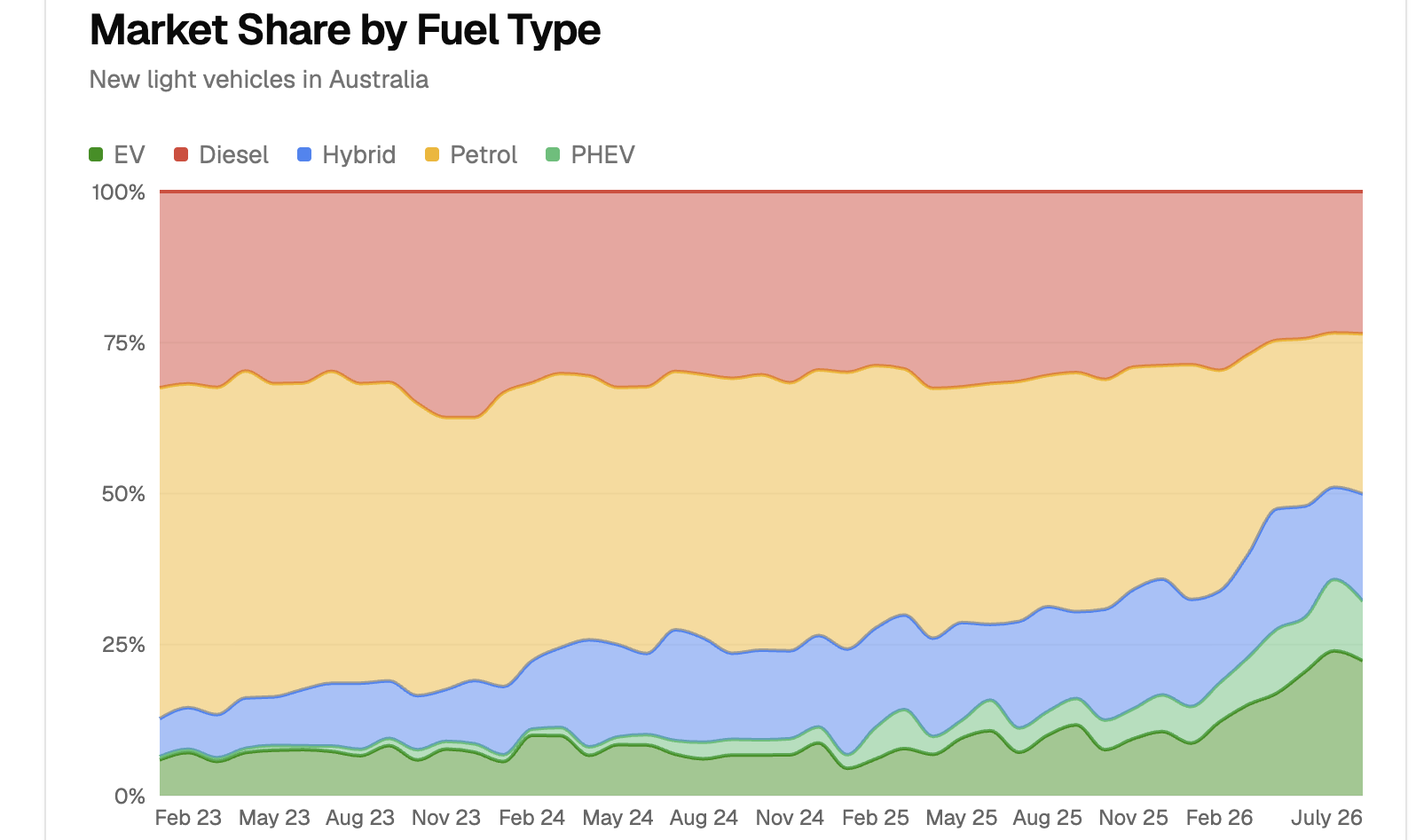
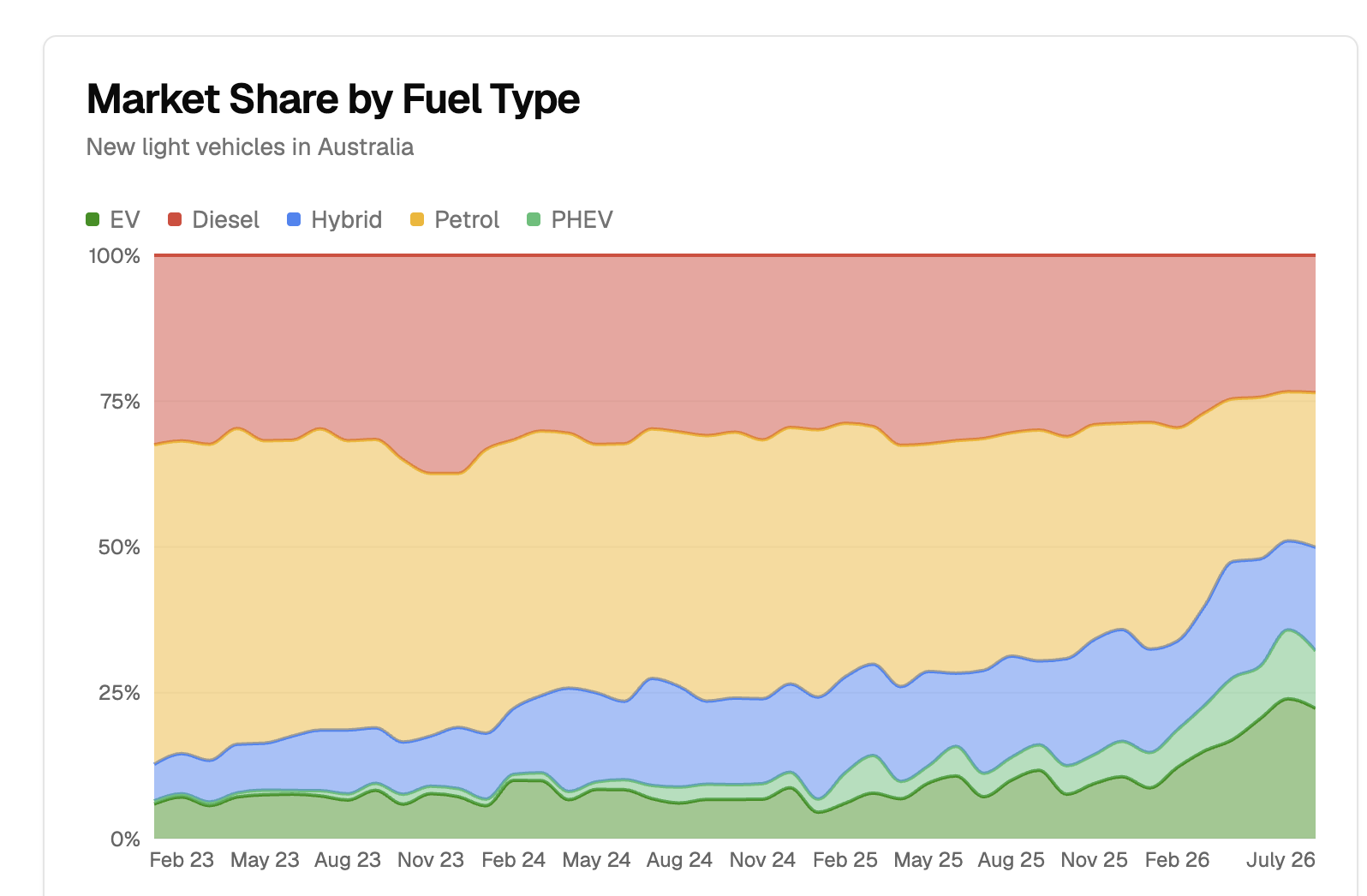
No matter what you wish for, shipping schedules set the pace in the Australian car market. After 3 months of slow but steady progress, July saw a slight regression in Australia’s plug-in penetration rate. Of the almost 108,000 vehicles sold, 33,869 came with a plug, giving us a penetration rate of approximately 31%. Last month, Australia achieved a record breaking 36%.
Toyota is back as the top selling brand, with the RAV4 PHEV to the fore. BYD was a distant second. Of note is the relative success of the newly launched Mazda 6e. It managed to outsell the Tesla Model 3 (283 vs. 134), with some amusing videos of Mazda dealers being flabbergasted by its attributes. Mind you, they have only had the Mazda MX30 to compare it to. Perhaps the Japanese carmakers are back in the fight!
Tesla Model Y sales were bolstered by the recently launched Model Y L (2,429 sold, 2,215 regular), giving it the third spot on the overall market ladder (behind the RAV4 and the Toyota HiLux). Tesla reached #7 on the overall brand sales ranking. Geely was #11, with the extra numbers from the newly launched EX2 (Xingyuan in China) boosting the brand up the charts. Can it replicate its global success in Australia? Bloody oath it can! Especially with the base model now selling for AU$26,000. In its first month of sales, the EX2 is already in the top 10.
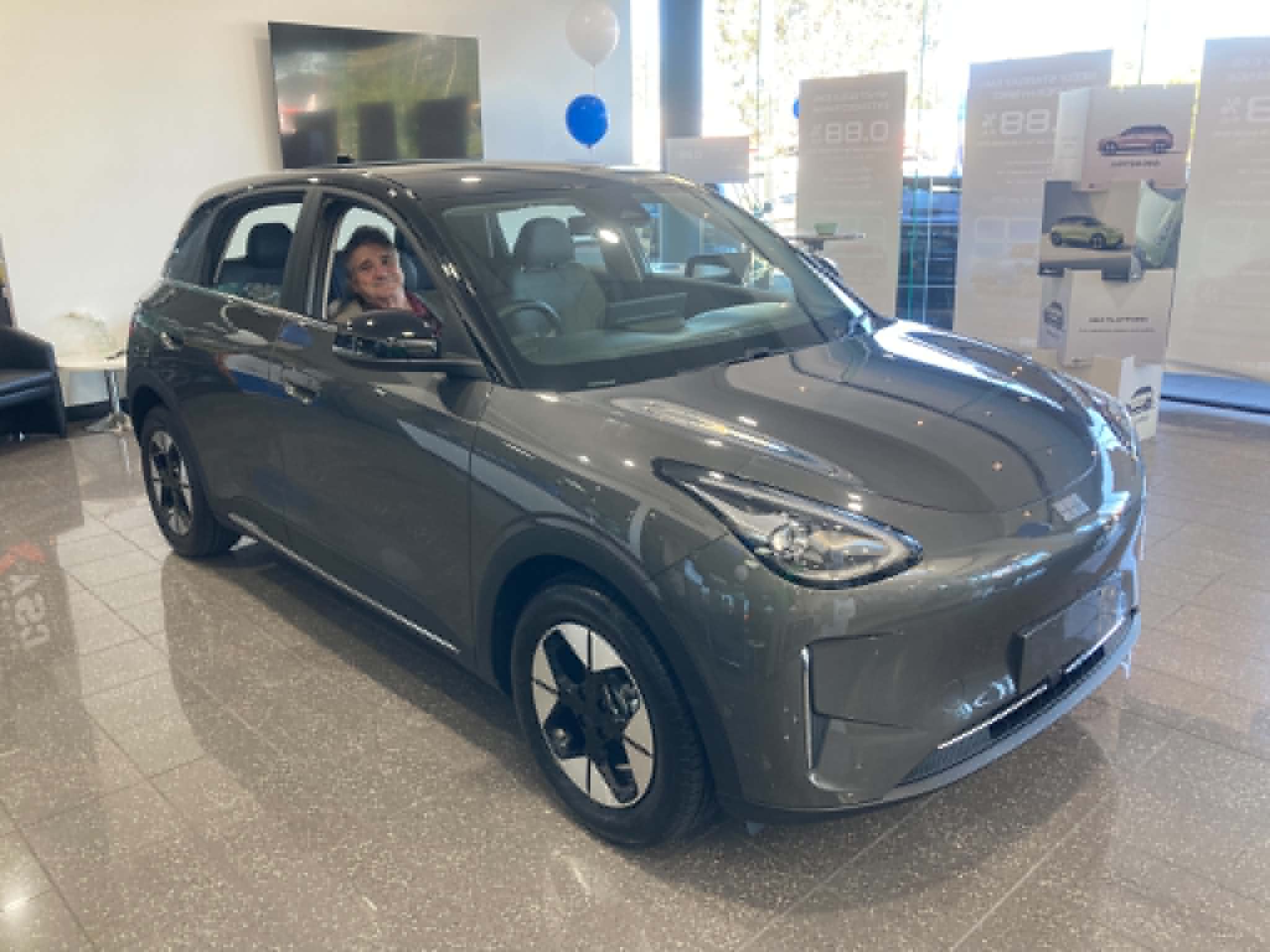
Xpeng and GAC are now declaring their sales stats, so we should get a clearer picture of progress from now on. Watch the GAC Aion 5 — in the top ten chart from its first month. You can read about it here.
Enough faffing about, drum roll please, the top best-selling BEVs in Australia for July 2026 are:
- Tesla Model Y — 4,644 sold in July, year to date (YTD): 25,040
- BYD Sealion 7 — 2,548, YTD 15,064
- Geely EX5 — 2,034, YTD 8,790
- Zeekr 7X — 1,892, YTD 7,424
- Omoda Jaecoo J5 — 1,654, YTD 7,238
- BYD Atto 2 — 1,214, YTD 6,615
- Kia EV3 — 804, YTD 3,462
- MG MG4 Urban — 666, YTD 1,682
- Kia EV5 — 650, YTD 3,601
- Geely EX2 — 474, YTD 747 debutante
- GWM ORA 5 — 403, YTD 678
- BYD Dolphin — 401, YTD 2,716
- BYD Seal — 394, YTD 3,048
- GAC Aion V — 373, YTD 373 another debutante
- Toyota bZ4X — 357, YTD 2,075
- Mazda 6e — 283, YTD 311
- BYD Atto 3 — 277, YTD 3,329
- MG S6 — 216, YTD 256
- Zeekr X — 211, YTD 429
- GAC Aion UT — 148, YTD 148
- Tesla Model 3 — 134, YTD 3,326
In summary, July sales by fuel type: BEV 23,510; PHEV 10,359. Year to date: 127,226 BEV, 64,615 PHEV.

I had to take it out to the top 21 to include my Tesla Model 3. Obviously, Tesla Shanghai just didn’t ship many out for July sales when you look at the year-to-date figures. However, when you look at the way small, affordable EVs are growing in number, it may not be long until the Model 3 is even pushed out of the top 20. The Australian market is thirsty for good value-for-money battery electric vehicles — check out the Geely EX2, the GAC Aion V, and the refreshed ORA 5 from Great Wall. The Mazda 6e is doing well on launch. We hope to go check it out next week. It will be an adventure.
Most of the segments of the Australian auto industry now have some electric representation, with the stars being: Geely EX2, Atto 1, and MG 4 Urban in the light vehicle category; BYD Seal and Mazda 6e in medium cars. The newly launched Denza D9 (the semi-luxury sub-brand of BYD) is doing well in the people mover category. As for sport utility vehicles, the Kia EV3 is on the podium for small SUV, and the BYD Sealion 7, the Tesla Model Y, the Zeekr 7X, and the Kia EV5 for medium SUV.
Segments in need of more BEVs include the micro cars and utes. I don’t expect that it will be too long before we have an EV selling for less than AU$20,000 and competing with the likes of the Kia Picanto. Promised utes are still on the horizon. The KGM Musso seems to be struggling to gain traction, only selling 8 units in July. Fleet buyers have picked up about 300 battery-electric Toyota HiLux BEV models since May.
In Australia, we talk about the “pub test.” If a politician made a policy statement, would the regulars at the local bar think it was a good thing. Majella and I have adapted this test to use in the grocery shopping car parks to determine the popularity of electric vehicles. They are doing okay. When we went shopping this last week, there were two Teslas, a Geely EX5, an MGZS EV, and a Volvo in the Aldi carpark.
The spoilers in the establishment keep harping on about enough public chargers, yet it appears that these are being installed continuously. Australia is serviced by three major grocery shopping chains: Aldi, Woolworths, and Coles. Woolworths is installing chargers at newly built retail centres, and Coles is now following suit. According to the Australian Financial Review, plans are progressing to install Evie chargers at 30 sites. Come on, Aldi, time to join the party.
Australia’s national broadcaster credits Donald Trump and his “war of choice” with Iran as one of the drivers of Australia’s EV surge. “It’s incredible what a year in a war will make,” said Rebecca Huntley, a social researcher who recorded a significant jump in support for EVs. “If you were to have a poster of the greatest influencer when it comes to EV take-up in Australia, it’d have Donald Trump.”
“People started to go, ‘oh my God, I might be going away on a weekend and I might not be able to get petrol,’” Dr Huntley said.
You can now even access high-speed chargers at Ayers Rock (Uluru) in the heart of Australia.
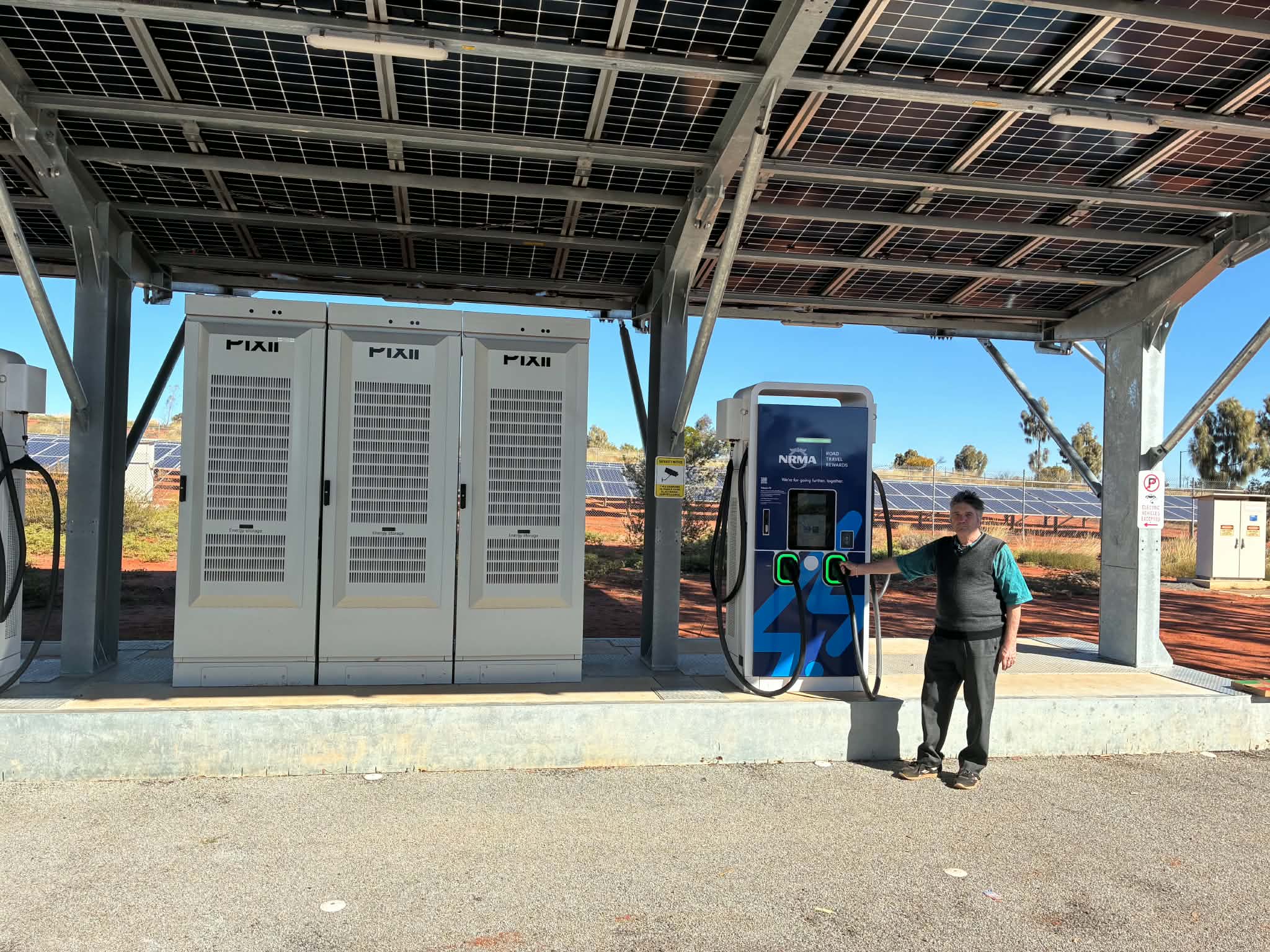
Fuel insecurity is encouraging people to look at electric alternatives to fossil fuelled cars. Petrol and diesel prices are rising faster than electricity prices. For those of us with a battery, rooftop solar, and an electric car, the future is looking bright and more affordable.
Sign up for CleanTechnica’s Weekly Substack for Zach and Scott’s in-depth analyses and high level summaries, sign up for our daily newsletter, and follow us on Google News!
Have a tip for CleanTechnica? Want to advertise? Want to suggest a guest for our CleanTech Talk podcast? Contact us here.
Sign up for our daily newsletter for 15 new cleantech stories a day. Or sign up for our weekly one on top stories of the week if daily is too frequent.


CleanTechnica uses affiliate links. See our policy here.
CleanTechnica’s Comment Policy