
Codelco’s El Teniente Faces Two-Year Setback, Raising Fresh Concerns Over Global Copper Supply

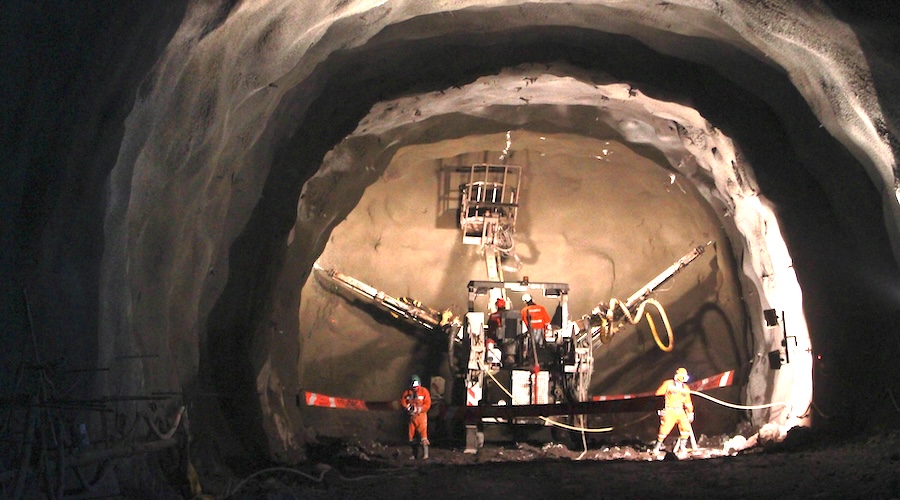
Santiago, August 6: Chile’s state-owned mining giant Codelco has warned that production at its flagship El Teniente copper mine could face a setback of up to two years, intensifying concerns over tightening global copper supplies amid rising demand from the energy transition and artificial intelligence sectors.
The delay is expected to affect expansion and development plans at one of the world’s largest underground copper mines. Industry analysts say the setback could further strain an already tight copper market, where supply disruptions and declining ore grades have limited production growth despite strong global demand.
El Teniente is a key contributor to Chile’s copper output and plays a significant role in supplying the global market. Any prolonged disruption at the mine is likely to reduce future production forecasts, potentially supporting higher copper prices as manufacturers compete for limited supplies.
The development comes at a time when demand for copper continues to accelerate due to investments in electric vehicles, renewable energy infrastructure, power transmission networks, and artificial intelligence-driven data centres. Copper remains an essential metal for electrification, making supply reliability a growing concern for governments and industries worldwide.
Codelco has been working to modernize its aging mines through large-scale structural projects aimed at extending mine life and maintaining production levels. However, delays, rising project costs, and operational challenges have affected several of the company’s expansion initiatives in recent years.
Market experts believe the latest setback at El Teniente could add further upward pressure on copper prices, particularly if other major producing regions experience supply disruptions. Investors are also closely monitoring mining investment trends, geopolitical developments, and demand from China, the world’s largest consumer of refined copper.
The prolonged delay underscores the growing challenge of balancing rising global copper demand with the long lead times required to develop new mining capacity. Analysts warn that without significant investment in new projects, the global copper market could face persistent supply deficits over the coming decade.