
BHP Faces First Port Hedland Strike in Decades as Labour Dispute Escalates

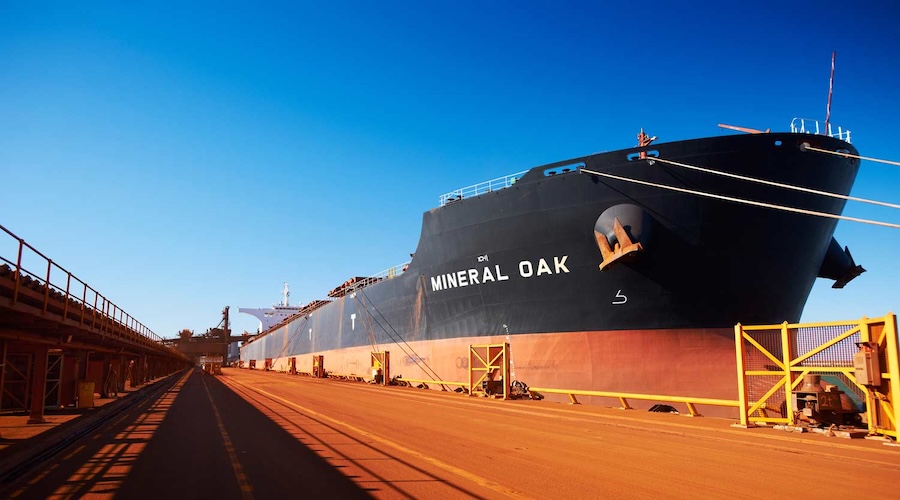
Mining giant BHP is facing its first major industrial strike at its Port Hedland operations in decades, with hundreds of workers planning to stop work after prolonged negotiations over a new labour agreement failed to produce a settlement. The planned action marks one of the most significant labour disputes in Australia’s iron ore sector in recent years.
The strike, scheduled for July 16, is expected to involve around 160 to 200 employees from the company’s port and maintenance workforce. The workers, represented by the Combined Ports Unions, are demanding improved wages, working conditions and a fair four-year enterprise agreement after six months of negotiations with the company failed to reach a breakthrough.
Port Hedland is one of the world’s largest iron ore export hubs, handling shipments worth approximately $150 million every day. Analysts estimate that even an eight-hour work stoppage could disrupt exports and potentially affect around $80 million in BHP revenue, although the company says contingency plans are in place to minimise operational disruptions.
BHP said it remains committed to constructive negotiations and highlighted that workers at its South Flank and Mining Area C operations recently approved a separate labour agreement that includes a 16% pay increase over four years, enhanced site allowances and other benefits. However, union leaders argue that the deal does not adequately address long-standing concerns over pay parity and workplace conditions.
The dispute comes amid renewed union activity across Australia’s mining industry following recent industrial relations reforms that have strengthened collective bargaining rights. Industry observers believe the outcome of the Port Hedland negotiations could influence future labour agreements across the Pilbara region and Australia’s broader resources sector.
With iron ore remaining Australia’s largest export commodity, the looming strike is being closely watched by investors, mining companies and policymakers for its potential impact on global supply chains and commodity markets.