

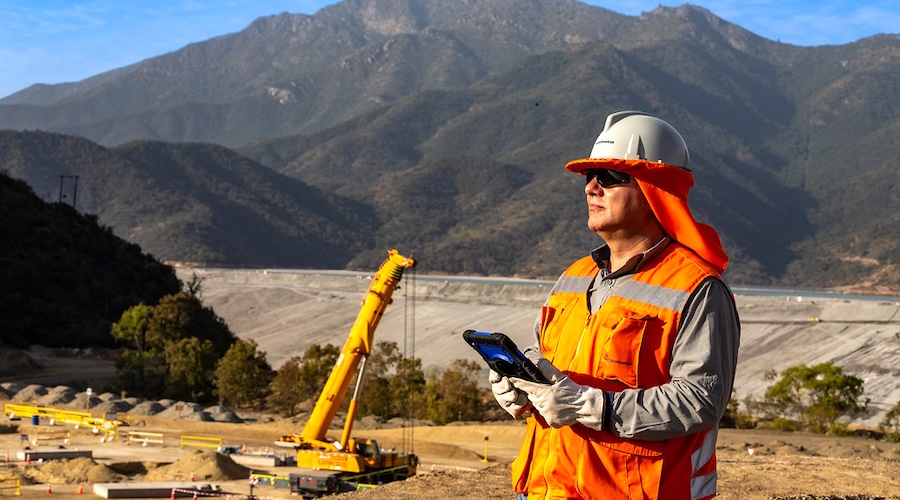
Chile’s major copper mining operations are preparing for severe winter weather as heavy rainfall and snowfall are forecast to impact the country’s key mining regions. As the world’s largest producer of copper, Chile plays a vital role in supplying the metal used in electric vehicles, renewable energy infrastructure, construction, and electronics, making any disruption closely watched by global markets.
Mining companies have activated contingency plans to minimize operational disruptions caused by extreme weather. Measures include reinforcing transportation routes, inspecting tailings facilities, protecting critical infrastructure, and ensuring the safety of workers operating in high-altitude mining sites where snow and freezing temperatures can significantly affect production.
Large copper mines in northern Chile are particularly vulnerable to seasonal storms that can trigger flooding, road closures, and interruptions to power and water supplies. Such events have the potential to delay ore transportation and temporarily reduce production, tightening global copper supplies if disruptions become prolonged.
Industry analysts note that the timing of the winter weather comes as demand for copper remains strong, driven by the global transition to clean energy technologies and expanding investments in power grids, electric vehicles, and battery manufacturing. Any sustained production losses in Chile could influence international copper prices and increase market volatility.
Mining companies have emphasized that worker safety remains the highest priority while closely monitoring weather forecasts and coordinating with local authorities. Emergency response teams have been placed on standby to address potential flooding, landslides, and infrastructure damage should conditions worsen.
Despite the seasonal challenges, Chile’s mining sector has developed extensive experience in managing extreme weather events through advanced monitoring systems, resilient infrastructure, and emergency preparedness. Industry experts believe these measures will help reduce operational risks, although the severity of the approaching winter storms will ultimately determine the extent of any production impact