
US Imposes Sanctions on Nicaraguan Officials Linked to Gold Sector

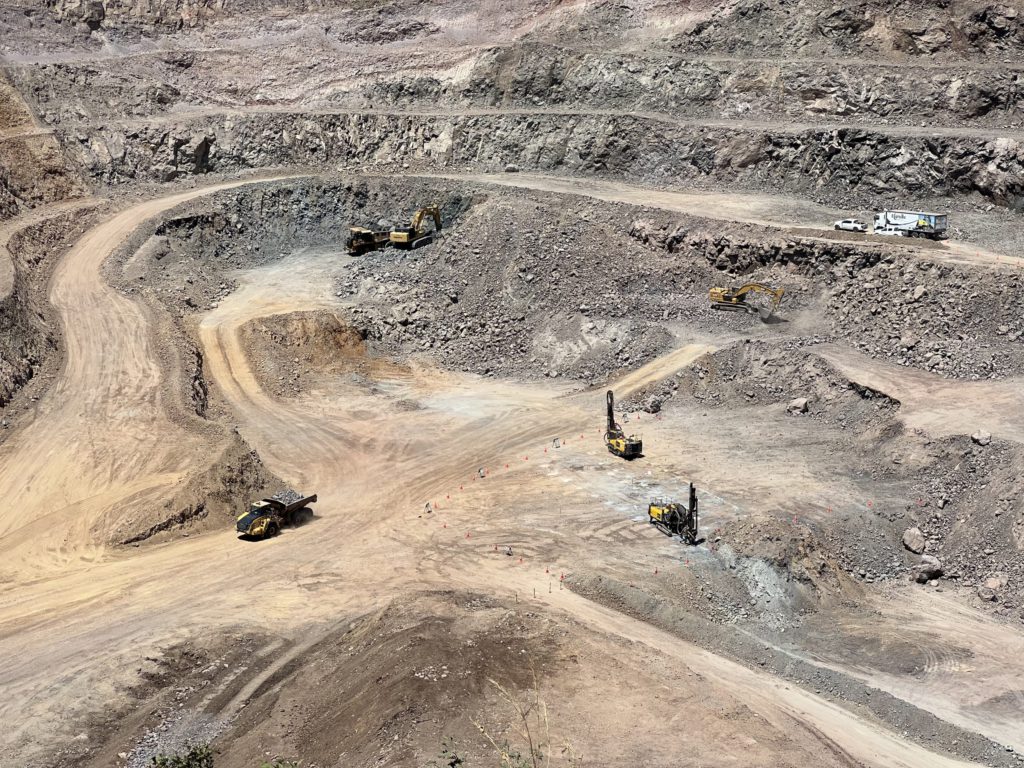
The United States has imposed fresh sanctions on officials and companies linked to Nicaragua’s gold sector, intensifying pressure on the government of Daniel Ortega over allegations of corruption and political repression.
The sanctions, announced by the U.S. Treasury Department, target multiple individuals and entities involved in gold mining and exports, including senior government officials and business groups tied to the ruling administration. Among those sanctioned are two sons of Ortega and Vice President Rosario Murillo, as well as Nicaragua’s vice minister of energy and mines and several mining firms.
According to U.S. authorities, the measures are aimed at disrupting financial networks that allegedly allow the government to profit from gold exports while maintaining political control. Officials stated that the targeted entities played a role in generating revenue for the regime and were involved in controversial activities, including the seizure of foreign-owned mining assets.
The sanctions also freeze any assets held in the United States and prohibit American individuals and businesses from engaging in transactions with the designated parties. This is expected to significantly impact the global operations of the affected companies, particularly those reliant on international financial systems.
The move follows longstanding tensions between Washington and Managua, particularly since the government’s crackdown on protests in 2018. The U.S. has repeatedly accused the Ortega administration of undermining democratic institutions and using economic sectors, including mining, to consolidate power.
Nicaragua’s gold industry, which has become the country’s top export sector in recent years, is a critical source of revenue. Analysts warn that targeting this sector could have broader economic implications, although some operations may continue through alternative markets and financial channels.
The latest sanctions highlight Washington’s strategy of applying targeted economic pressure on key industries to influence political outcomes. They also underscore the growing intersection between natural resources and geopolitics, as governments increasingly focus on controlling revenue streams linked to strategic commodities.