
Canada’s Antimony Gap Exposed as Iran War Sharpens Focus on Defence Metals

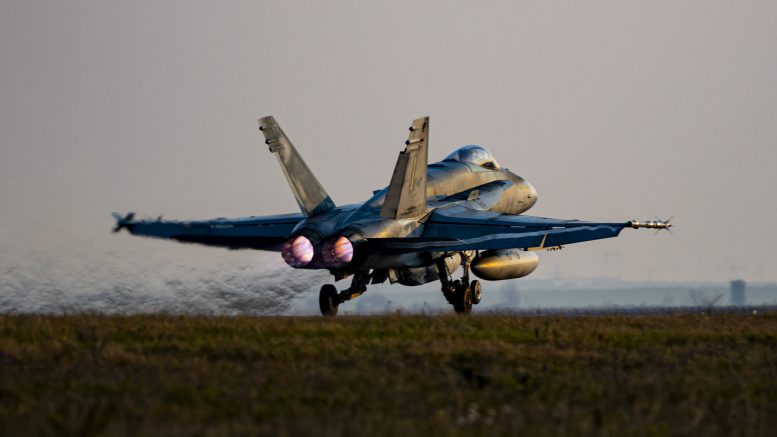
Canada’s limited capacity in antimony production is drawing increasing attention as the ongoing conflict involving Iran intensifies global demand for defence-critical metals. The situation has exposed significant gaps in the country’s ability to develop and process this strategically important mineral.
Antimony, a lesser-known but vital metal, is widely used in ammunition, explosives, infrared sensors, and other military applications. The war has brought renewed urgency to securing reliable supplies, with defence sectors across the globe scrambling to ensure availability of such materials. According to industry data, a significant portion of antimony consumption is tied directly to military uses, underscoring its strategic importance.
Canada classifies antimony as a critical mineral, yet industry leaders argue that the country lacks a dedicated strategy to move projects from exploration to full-scale production. While the government has committed billions toward broader critical mineral initiatives, there is no targeted policy framework specifically focused on antimony development.
The country’s project pipeline remains thin, with only a handful of developments—many linked to gold deposits rather than standalone antimony mines. Even the most advanced projects are still progressing through feasibility and environmental assessment stages, limiting near-term supply potential.
A major challenge lies beyond mining itself. Canada currently lacks sufficient domestic processing infrastructure to convert antimony concentrate into usable metal, creating a bottleneck in the supply chain. Industry experts warn that without refining capabilities, even successful mining projects may struggle to contribute meaningfully to domestic or allied defence needs.
The contrast with the United States is becoming more pronounced, as Washington has begun actively funding specific antimony projects and strengthening its supply chain through strategic investments and partnerships. This divergence highlights the urgency for Canada to accelerate policy action if it hopes to remain competitive in the critical minerals space.
The broader geopolitical environment is also amplifying concerns. Defence analysts note that shortages of key metals like antimony, tungsten, and gallium are emerging as strategic vulnerabilities in prolonged conflicts, prompting governments to prioritize supply chain diversification and stockpiling.
As global tensions persist and demand for defence materials rises, Canada’s antimony gap serves as a reminder of the growing importance of niche minerals in national security and industrial strategy. Without targeted investment and policy support, the country risks falling behind in a rapidly evolving and increasingly competitive global resources landscape.