

China’s sharp decline in copper imports is reshaping global commodity dynamics, signaling a significant shift in market power as the world’s largest metals consumer becomes increasingly self-reliant.
Recent data shows that China’s refined copper imports dropped to around 125,000 tonnes in February—its lowest level in over a decade—amid elevated global prices and changing domestic demand patterns. This marks a notable pullback from previous years when China was a dominant driver of global copper demand.
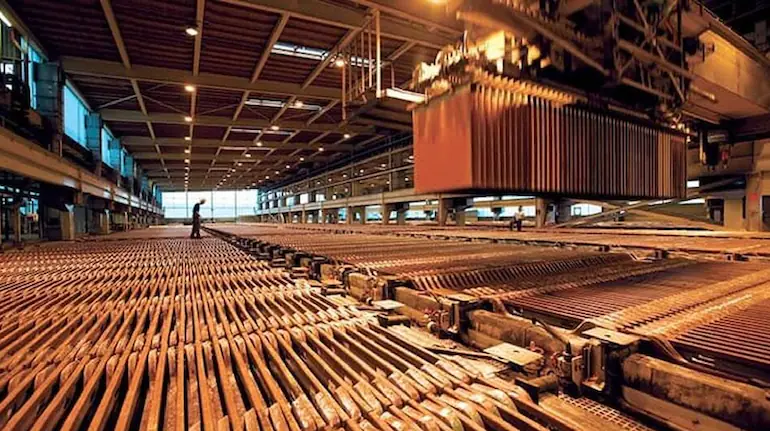
The decline in imports has been accompanied by a surge in exports, with outbound shipments rising sharply in early 2026. This reversal highlights China’s growing domestic smelting capacity and its ability to process more raw materials internally, reducing reliance on foreign refined copper.
Analysts point out that China’s strategy of increasing imports of copper concentrates and recyclable scrap, rather than refined metal, is strengthening its control over the value chain. By securing raw materials and expanding refining capabilities, the country is gaining greater influence over global copper pricing and supply flows.
At the same time, rising inventories in Chinese warehouses and weaker short-term demand have further reduced the need for imports. This has contributed to a build-up of global stockpiles, putting pressure on international prices despite earlier bullish trends in the copper market.
The shift is also impacting Western producers, as China’s aggressive expansion in refining capacity has intensified competition for raw materials, squeezing margins for smelters outside the country.
Market experts believe this transition could have long-term implications, with China increasingly dictating terms in the copper market. As geopolitical tensions ease and supply chains adjust, the balance of power may continue to tilt toward countries with strong domestic processing capabilities.