
Zimbabwe to Introduce Lithium Export Quotas, Sets Conditions for Shipments Resumption

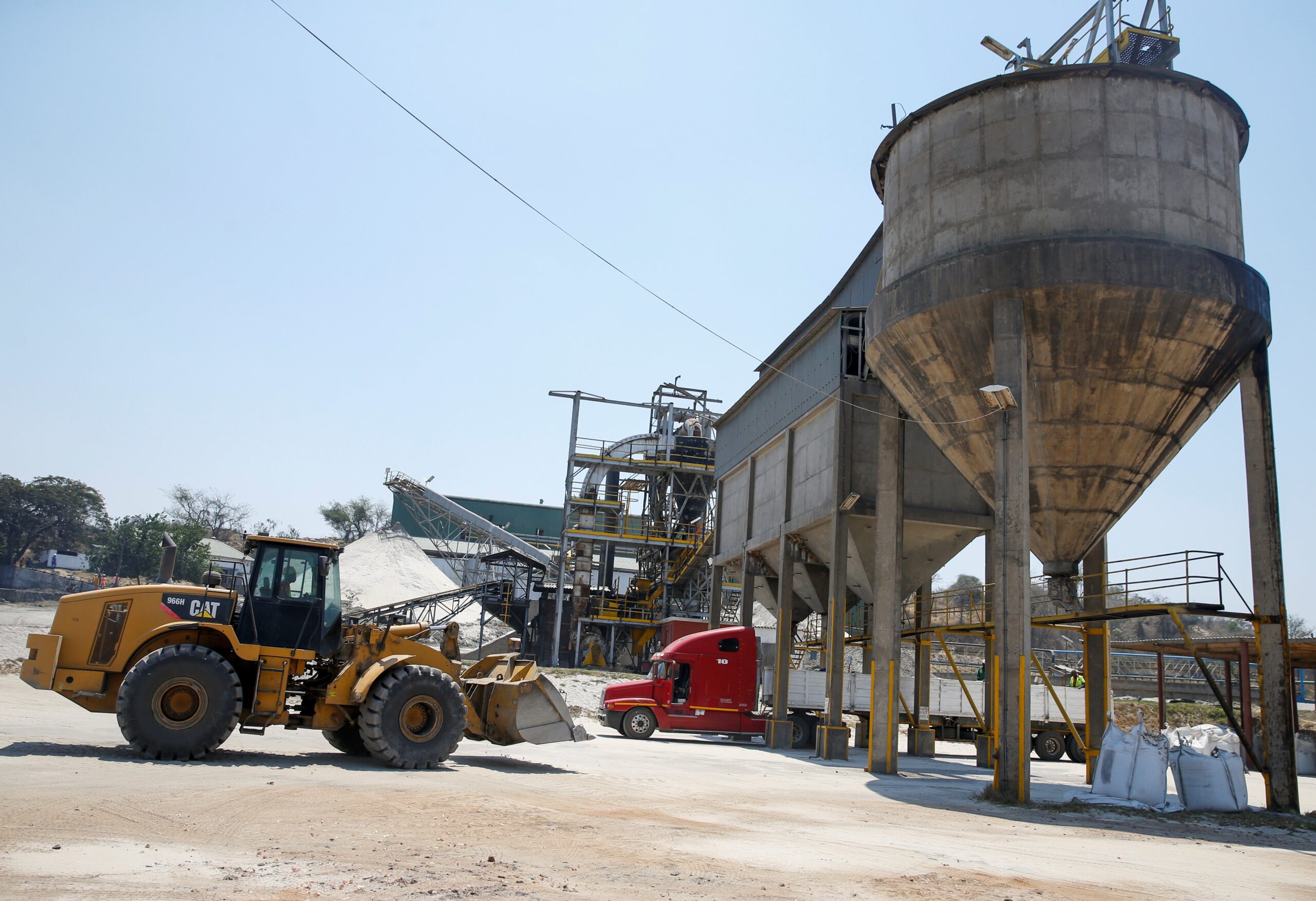
Zimbabwe has announced plans to introduce export quotas for lithium concentrates and impose strict conditions for the resumption of shipments, as part of a broader strategy to increase domestic value addition in its mining sector.
The move comes after the government suspended exports of lithium concentrates and other unprocessed minerals in February 2026, citing malpractices and revenue leakages in the sector.
Under the new framework, authorities will allocate specific export quotas to mining companies, allowing limited shipments to resume. However, producers must meet a series of regulatory and operational requirements before receiving approval.
A key condition is that mining firms must commit to establishing local lithium processing facilities, particularly lithium sulphate plants, by January 1, 2027. The government has made it clear that the long-term goal is to transition away from exporting raw materials toward producing higher-value battery-grade inputs domestically.
Additionally, companies will be required to publish annual financial statements and comply with strict labour, safety, and environmental standards. A 10% export tax on lithium concentrates will remain in place until a full ban on such exports comes into effect in 2027.
Zimbabwe, Africa’s leading producer of lithium, plays a critical role in the global battery supply chain, with much of its output historically exported to China for processing. Major international firms, particularly Chinese companies, dominate the country’s lithium mining sector and are now expected to accelerate investments in local refining capacity.
The policy shift reflects a growing trend among resource-rich nations to tighten control over mineral exports and capture more value within their economies. Analysts say the new quota system could reshape global lithium supply dynamics, especially as demand continues to rise due to the expansion of electric vehicles and energy storage technologies.