
China Offers Tajikistan Expanded Green Minerals Cooperation as Beijing Deepens Central Asian Ties

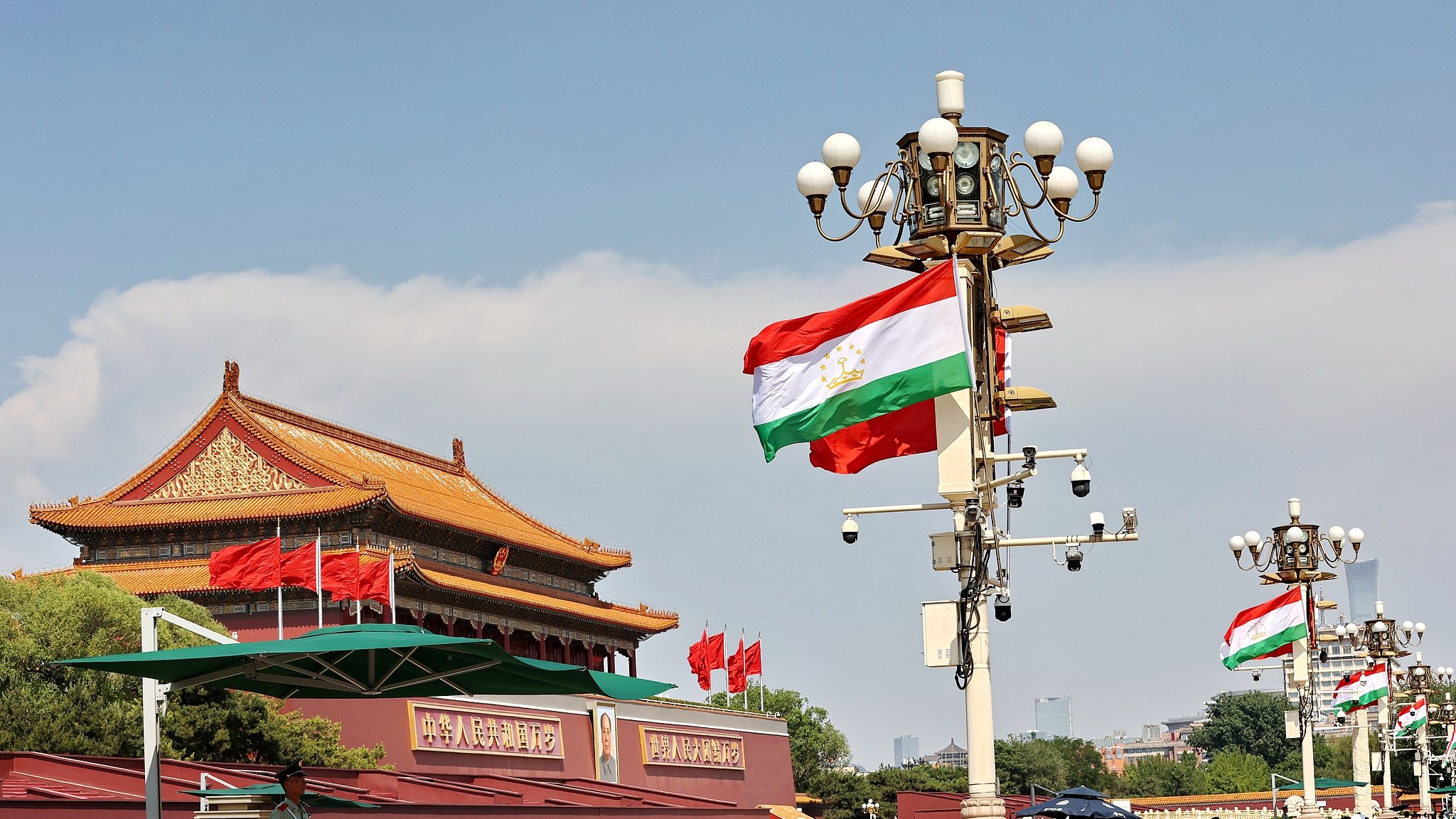
Dushanbe, Tajikistan, October 24, 2026: China has proposed expanding cooperation with Tajikistan in green minerals, clean energy, infrastructure and emerging technologies as Beijing intensifies its economic and strategic engagement across Central Asia.
Chinese Premier Li Qiang made the proposal during meetings with Tajik President Emomali Rahmon and Prime Minister Kokhir Rasulzoda in Dushanbe on October 18–19. The discussions highlighted China’s interest in strengthening access to mineral resources, expanding bilateral trade and encouraging Chinese companies to invest in Tajikistan.
The initiative comes as countries worldwide seek reliable supplies of critical minerals required for renewable energy systems, electric vehicles, batteries and advanced industrial technologies. Tajikistan’s mineral resources and strategic location make it a potential partner in China’s efforts to strengthen regional supply chains.
Green Minerals Emerge as a Priority
During his meetings with Tajik officials, Li said China was ready to strengthen cooperation in green minerals, infrastructure connectivity and clean energy. Beijing also expressed its willingness to expand collaboration in the digital economy and artificial intelligence.
Tajikistan possesses deposits of several commercially important minerals, including antimony and gold, which have attracted interest from international mining and industrial companies. Antimony is used in applications ranging from flame-retardant materials to certain battery technologies and specialised industrial products.
Closer cooperation could create opportunities for Chinese companies to participate in mineral exploration, extraction, processing and related infrastructure development.
However, the recent discussions primarily established a broader framework for cooperation. No specific new mining concessions, mineral offtake agreements or dedicated financing commitments were confirmed in the available announcements. The commercial impact will therefore depend on whether the diplomatic commitments translate into concrete investment projects.
China Seeks Stronger Control Over Critical Mineral Supply Chains
China’s renewed focus on Tajikistan reflects a wider strategy to strengthen its economic presence across Central Asia, a region rich in mineral resources and strategically positioned between China, Russia, South Asia and Europe.
Critical minerals have become increasingly important as governments and manufacturers compete to secure supplies for clean energy technologies, electric vehicles, electronics and advanced manufacturing.
For Beijing, deeper cooperation with Tajikistan could help Chinese businesses expand their participation in mineral production and processing while supporting the development of regional transport and industrial networks.
China has also encouraged Tajikistan to improve the business environment for Chinese enterprises and indicated that it would increase imports of high-quality Tajik goods. The two countries have agreed to strengthen cooperation across trade, investment, infrastructure and emerging industries.
Belt and Road Initiative Provides a Strategic Framework
The proposed green minerals cooperation forms part of the broader China–Tajikistan economic partnership and Beijing’s Belt and Road Initiative.
Tajikistan’s mountainous terrain and landlocked geography make transport infrastructure particularly important for developing its mineral resources. Better roads, logistics facilities and cross-border connectivity could help reduce transportation barriers and improve access to international markets.
China has expressed its willingness to align its development strategy with Tajikistan’s national priorities and expand cooperation in infrastructure and regional connectivity.
During Li’s visit, the two countries also witnessed the signing of several cooperation documents covering infrastructure development, education, anti-corruption measures and standardisation. These agreements demonstrate the breadth of the bilateral relationship, although they should not be interpreted as confirmation that new green minerals projects have already secured financing or entered construction.
Competition for Central Asian Minerals Intensifies
China’s engagement with Tajikistan comes amid growing international competition for access to critical minerals across Central Asia.
The United States and other Western economies are seeking to diversify mineral supply chains and reduce dependence on concentrated sources of processing and refining capacity. Meanwhile, China is strengthening existing commercial relationships and exploring additional opportunities for investment throughout the region.
For Tajikistan, interest from multiple international partners could create opportunities to attract capital, develop domestic processing capabilities and generate employment.
However, the long-term economic benefits will depend on the terms of individual agreements, the extent of local processing, environmental safeguards and the share of value retained within the country.
Developing mineral resources into higher-value industrial products could offer Tajikistan greater economic benefits than relying exclusively on the export of unprocessed materials.
Clean Energy and Technology Could Expand Bilateral Trade
Beyond mining, China and Tajikistan have identified clean energy, artificial intelligence and the digital economy as additional areas for cooperation.
Potential opportunities include renewable energy infrastructure, digital services, industrial technology and improvements to logistics networks supporting mineral exports.
These sectors could complement mineral development by strengthening the infrastructure and industrial capabilities required to support long-term economic growth.
Nevertheless, the scale and timing of future projects remain uncertain. Their success will depend on investment commitments, technical feasibility, market conditions and the implementation of agreements reached by the two governments.
Outlook: Diplomatic Commitments Await Commercial Delivery
China’s proposal signals an effort to deepen economic ties with Tajikistan while strengthening Beijing’s position in Central Asia’s emerging critical minerals economy.
The partnership could offer Chinese companies access to new mineral opportunities and give Tajikistan a potential source of investment, technology and infrastructure development.
The next important milestone will be the announcement of specific mining investments, processing facilities, financing arrangements or long-term mineral supply agreements. Until those details emerge, the expanded cooperation should be viewed as a strategic commitment rather than a confirmed expansion of commercial mining activity