
Missile Surge Over Iran Drains US Tungsten Reserves, Triggers Global Supply Alarm

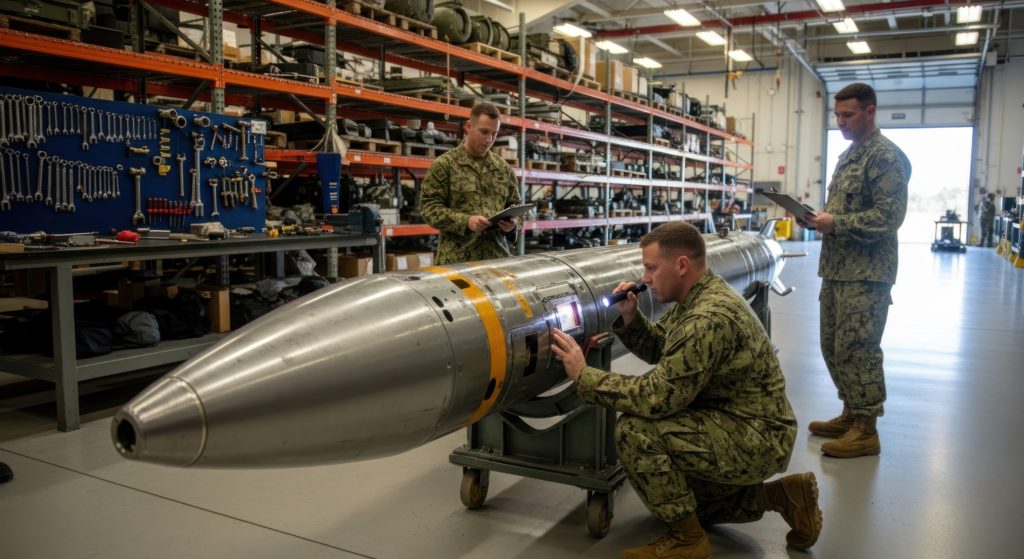
A sharp escalation in missile strikes linked to the Iran conflict is rapidly depleting United States tungsten reserves, raising concerns over long-term military sustainability and global supply chains.
Tungsten, a critical metal used in high-performance munitions and armour-piercing systems, is consumed entirely during missile detonation, making replenishment difficult amid sustained conflict. According to recent analysis, thousands of munitions deployed in ongoing operations have significantly accelerated the drawdown of existing stockpiles.
The surge in military demand comes at a time when global tungsten supply is already under pressure. China, which accounts for nearly 80 percent of global production, has tightened export controls, leading to a sharp drop in availability and intensifying supply bottlenecks.
Prices of tungsten have soared dramatically, with key benchmark materials rising more than fivefold over the past year, outpacing gains in commodities such as gold, copper, and oil. Analysts warn that the metal is now trading at historically high levels, reflecting both geopolitical tensions and structural supply constraints.
The Pentagon has already initiated efforts to secure alternative sources, including domestic mining projects and overseas partnerships, but many of these initiatives remain years away from production.
Experts caution that the growing military consumption of tungsten could squeeze supplies for civilian industries, particularly electronics, semiconductors, and renewable energy sectors, where the metal is also essential.
The ongoing conflict highlights a broader strategic challenge for Western nations—reducing dependency on critical minerals while maintaining defence readiness in an increasingly resource-constrained environment