
Chile’s Copper Supply Under Pressure as Disruptions Mount, Raising Concerns Over Global Metal Markets

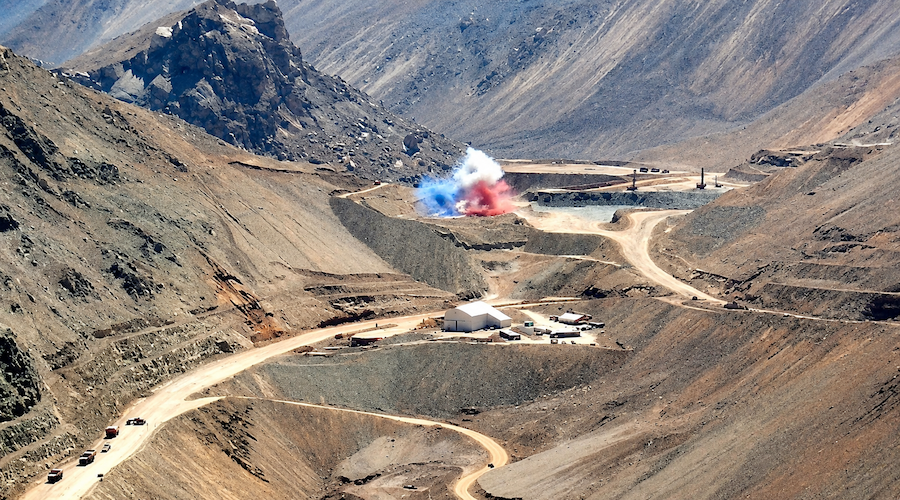
Santiago, Chile: Chile’s copper supply is facing mounting pressure as operational disruptions and production challenges threaten the stability of output from one of the world’s most important copper-producing countries. The developments have raised concerns about the availability of the industrial metal at a time when demand from renewable energy, electric vehicles, power infrastructure and advanced manufacturing continues to grow.
Chile plays a crucial role in the global copper market, supplying the metal used in electrical wiring, construction, electronics and industrial equipment. Any prolonged disruption to its mining operations could affect supply chains, influence copper prices and create additional uncertainty for manufacturers and commodity traders.
Mining Disruptions Put Pressure on Production
Copper mining operations in Chile face several challenges, including equipment failures, maintenance requirements, declining ore grades, water availability and the complex geological conditions of mature mining sites. Operational interruptions can reduce production volumes and complicate efforts by mining companies to meet output targets.
In addition, large copper mines require substantial investment in infrastructure, technology and processing facilities. Delays in expansion projects or difficulties maintaining existing operations can further limit the industry’s ability to respond quickly to rising global demand.
The combined impact of these challenges could tighten the availability of copper in international markets if disruptions persist or affect multiple major operations simultaneously.
Global Copper Demand Continues to Grow
Copper has become increasingly important to the global energy transition. Electric vehicles require significant quantities of copper in batteries, motors and electrical systems, while solar and wind power projects depend on the metal for power generation and transmission infrastructure.
The expansion of electricity grids, data centres and digital infrastructure is also increasing copper consumption. These long-term demand drivers have intensified attention on supply risks in major producing countries such as Chile and neighbouring Peru.
If supply growth fails to keep pace with consumption, the market could face tighter inventories and increased price volatility.
Potential Impact on Copper Prices and Industries
Extended disruptions in Chile could have implications across the international metals market. Copper prices are influenced by several factors, including mine production, inventories, demand from China and other major economies, currency movements and global economic conditions.
A sustained reduction in supply could increase upward pressure on prices, particularly if inventories are already limited. Higher copper costs could affect manufacturers of electrical equipment, construction materials, renewable energy systems and automobiles.
However, the scale of any price impact would depend on the duration and severity of the disruptions, as well as the ability of other producers to compensate for any shortfall.
Outlook for Chile’s Copper Industry
Chile’s ability to maintain stable production will remain important for the global copper supply chain. Mining companies may need to prioritise operational reliability, invest in modern processing technologies and improve water and energy management to reduce production risks.
For governments and industrial consumers, the situation highlights the importance of diversifying supply sources, strengthening recycling systems and supporting investment in new mining capacity.
As copper demand continues to evolve, developments in Chile’s mining sector will remain a key factor to watch in assessing the balance between global supply and consumption.
Conclusion: Mounting disruptions in Chile’s copper industry underscore the vulnerability of global metal supply chains. If production challenges continue, the consequences could extend beyond the mining sector, affecting commodity markets, industrial costs and the pace of investment in electrification and clean energy.