
Lithium Triangle’s Vast Resources Face Unresolved Extraction Challenges

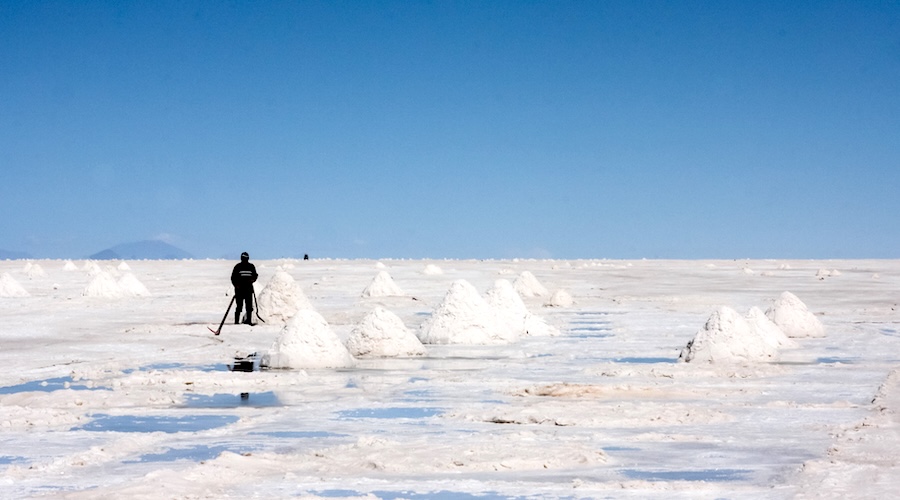
Buenos Aires: South America’s Lithium Triangle holds some of the world’s most significant lithium resources, positioning the region as a strategic player in the global energy transition. However, despite its enormous geological potential, the development of these resources continues to face technical, environmental and economic challenges that could slow the expansion of production.
The Lithium Triangle spans parts of Argentina, Bolivia and Chile, where lithium-rich brines beneath high-altitude salt flats have attracted international mining companies and investors. The metal is a critical raw material for rechargeable batteries used in electric vehicles, consumer electronics and energy storage systems.
Yet converting these underground resources into commercially viable lithium supplies remains a complex process.
Extraction Technology Remains a Major Challenge
Traditional lithium production from brines typically involves pumping mineral-rich fluids to the surface and concentrating them through evaporation. Although this method has been used for decades, it can require substantial time and may be affected by local climate conditions and the chemical composition of the brine.
Companies are increasingly exploring direct lithium extraction (DLE), a group of technologies designed to selectively recover lithium from brines. These methods may offer faster processing and potentially reduce the need for large evaporation ponds.
However, DLE is not a single, universally applicable solution. Different brines contain varying concentrations of lithium and other minerals, requiring specialised treatment. Questions surrounding recovery rates, energy consumption, water management, chemical use, operating costs and performance at commercial scale remain important considerations.
Water Concerns and Environmental Pressures
Environmental management is another major challenge for lithium projects in the region. Many deposits are located in arid landscapes where water resources are important to local communities, agriculture and fragile ecosystems.
The relationship between brine extraction, freshwater systems and surrounding wetlands is complex and varies from one basin to another. Assessing potential impacts requires detailed hydrogeological studies, environmental monitoring and consultation with local and Indigenous communities.
Companies must demonstrate that production can proceed responsibly while addressing concerns about water availability, biodiversity and long-term environmental effects.
Different Challenges Across Argentina, Bolivia and Chile
Although the three countries share significant lithium potential, their development pathways differ.
Argentina has attracted investment in new projects and production expansion, but infrastructure, financing, permitting and operating costs can affect project timelines.
Chile has an established lithium industry, yet future growth depends on regulatory arrangements, investment decisions, environmental requirements and the successful deployment of suitable extraction technologies.
Bolivia possesses substantial lithium resources, but turning them into large-scale commercial production has proved difficult. Technical challenges associated with its brines, together with infrastructure, financing and project execution requirements, remain important obstacles.
These differences mean that progress in one country cannot automatically be replicated across the entire Lithium Triangle.
Global Battery Demand Raises the Stakes
Demand for lithium is closely linked to electric vehicle adoption, battery manufacturing and grid-scale energy storage. Governments and companies are seeking diversified sources of supply to support industrial growth and reduce vulnerabilities in critical mineral supply chains.
The Lithium Triangle could play an important role in meeting these needs, but resource estimates alone do not guarantee production. Projects must demonstrate commercial viability, secure investment, establish processing capacity and meet environmental and regulatory requirements.
Outlook: Potential Depends on Successful Execution
The region’s long-term importance to the lithium market remains considerable. However, the pace of development will depend on whether producers can overcome extraction challenges, control costs, manage environmental risks and bring projects into operation reliably.
Advances in direct lithium extraction may open new opportunities, but their commercial success will depend on performance under local conditions rather than technology promises alone.
For Argentina, Bolivia and Chile, the central challenge is to transform geological potential into sustainable production. Their ability to achieve that goal could influence the future balance of the global lithium market and the supply of materials needed for the energy transition.