
Chinese Ownership of Canada’s Only Antimony Mine Raises Global Supply Chain Concerns

Concerns over global critical mineral supply chains are growing after Canada’s only primary antimony mine remained idle under the ownership of a Chinese state-owned company, raising questions about Western dependence on foreign-controlled resources.
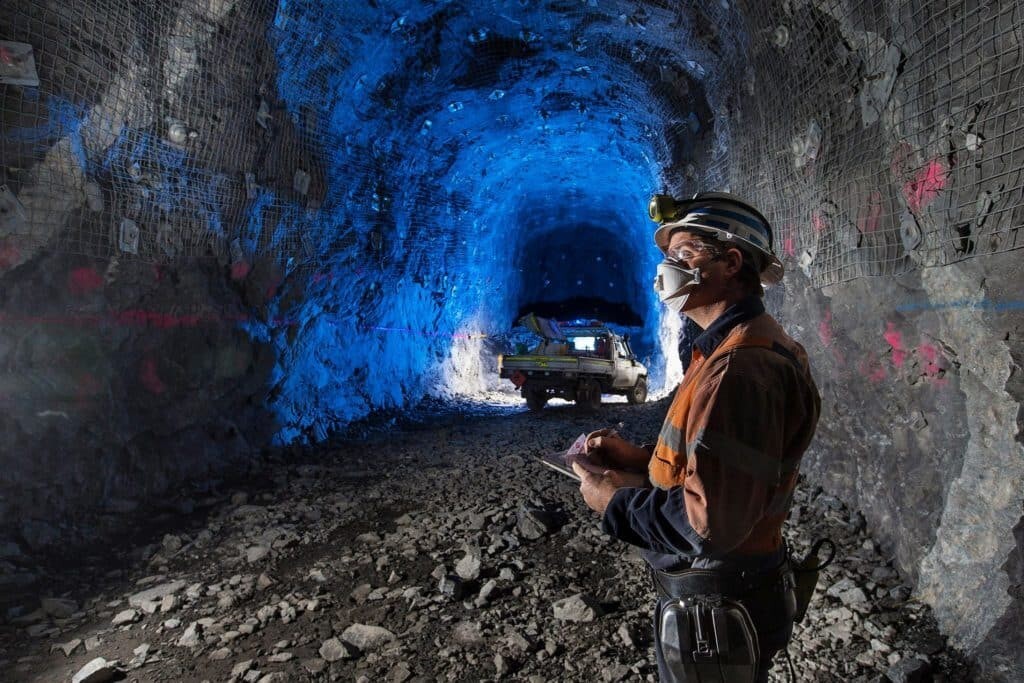
The Beaver Brook antimony mine in Newfoundland and Labrador, currently owned by China Minmetals, has been inactive despite rising global demand for the strategic metal. The project first began producing antimony concentrate in 2012 but was shut down the following year due to weak market conditions. After a brief restart in 2019, operations were halted again in 2023 and the mine has remained idle since then.
Antimony is classified as a critical mineral because of its use in a wide range of industrial and defence applications. It is widely used in flame retardants, lead-acid batteries, semiconductors, and military technologies such as ammunition, night-vision systems, and infrared sensors.
Analysts say the Beaver Brook mine has the potential to produce around 6,000 tonnes of antimony concentrate annually, which could account for roughly five percent of global supply if operating at full capacity. Its inactivity therefore highlights vulnerabilities in the supply chain for a metal that is increasingly important for national security and advanced manufacturing industries.
The situation has drawn attention from policymakers and industry observers as Western countries attempt to secure stable sources of critical minerals amid rising geopolitical tensions. China currently dominates much of the global antimony supply chain, including mining, refining, and processing capacity, giving it significant influence over the market.
In recent years, several governments in North America and Europe have launched initiatives aimed at reducing reliance on foreign-controlled critical mineral supplies. These efforts include funding domestic mining projects and encouraging partnerships with allied countries to diversify supply chains.
Industry experts note that dormant projects like Beaver Brook could become strategically important if governments move to revive domestic production of antimony and other critical minerals. For now, however, Canada remains without active antimony mining operations, underscoring the challenges Western economies face in securing reliable access to key industrial metals.