

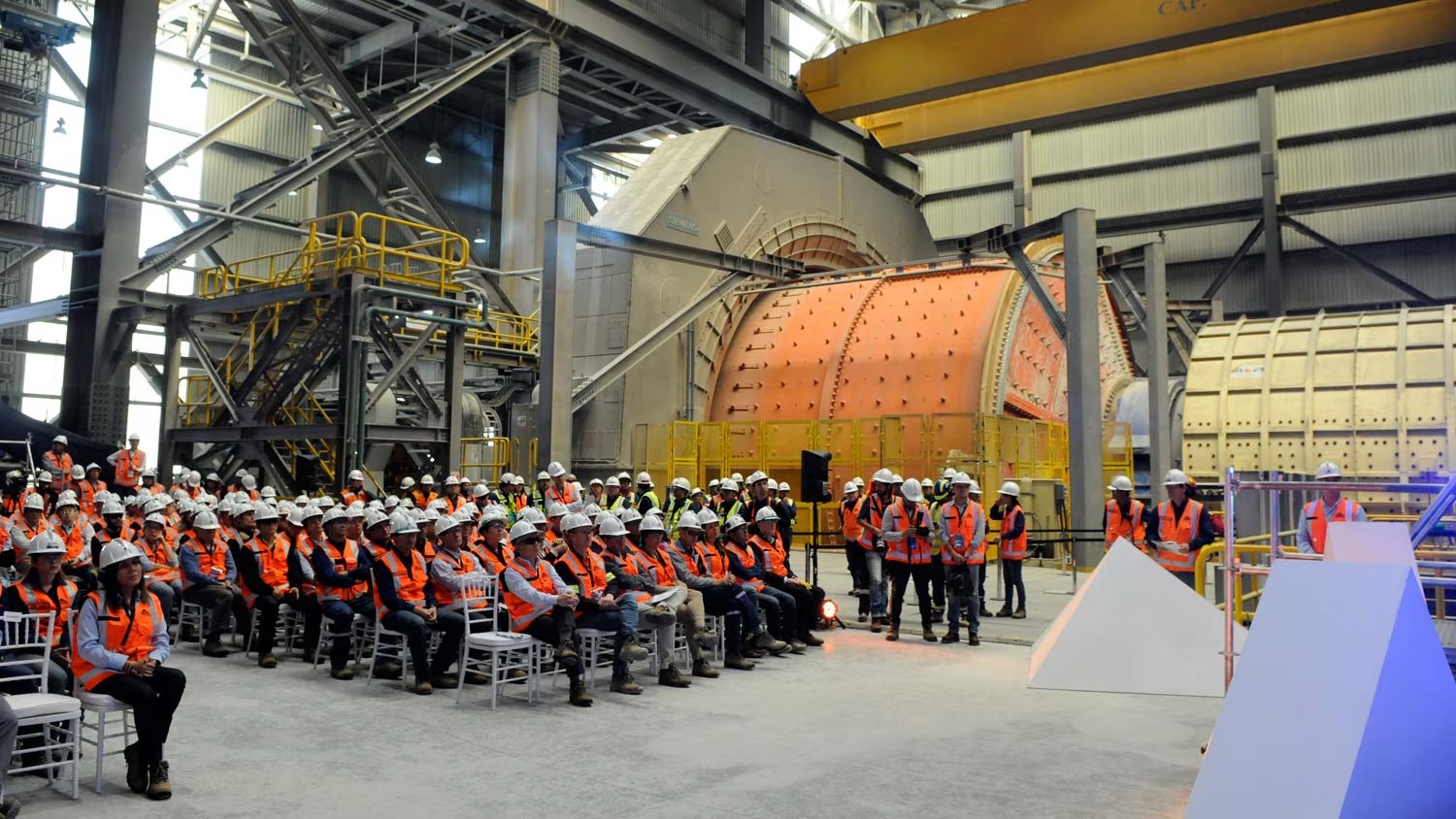
SANTIAGO, Chile — Unionized supervisors at BHP’s Escondida copper mine in Chile remain far from reaching a new collective agreement, with negotiations approaching a critical stage ahead of a potential government-mediated process.
BHP is required to submit its latest offer for workers to vote on by Wednesday. If the offer is rejected, Chilean labor rules provide for a mandatory mediation period of at least five days, which can be extended by another five days if the two sides fail to reach an agreement. A strike could legally follow if no settlement is achieved.
Dispute over wages, benefits and working arrangements
Union leader Alexis Barrera said the two sides remain “very far apart.” According to the union’s assessment, BHP’s latest proposal provides limited improvements compared with the existing collective agreement.
One of the major points of disagreement concerns BHP’s proposed 14-days-on, 14-days-off shift schedule. The union has indicated that it will not accept the arrangement. Supervisors have also rejected a company proposal that would require them to train for certain plant-operating duties, including truck driving, arguing that these responsibilities belong to operational staff.
BHP’s latest offer, submitted on September 22, reportedly has a 36-month term and includes 23.5 million Chilean pesos in closing conditions, along with increases to several allowances and additional benefits. The company says the proposal comes amid lower production levels, cost pressures and investments required to maintain the mine’s long-term productive capacity.
Union prepares for vote
The union has criticized the offer and says several of its demands remain unresolved, including proposals related to salary increases, production bonuses, vacation benefits and special exit programs for women. The union’s latest offer is expected to be put to members in a vote scheduled for September 28-30.
Despite the tense negotiations, Escondida’s mining operations are continuing normally for now. The outcome of the vote and any subsequent mediation could become important for the world’s largest copper mine, particularly as global copper markets are already closely watching supply conditions.