
Argentina’s Senate has passed a controversial reform to the country’s glacier protection law, a legislative change aimed at unlocking new mining investments and stimulating economic growth, especially in the mining sector.
On February 26, 2026, the Senate approved the reform with a vote of 40 in favor and 31 against, advancing a bill strongly backed by President Javier Milei that seeks to revise aspects of the 2010 glacier protection law. The reform now heads to the lower house of Congress for further consideration before it can be enacted.
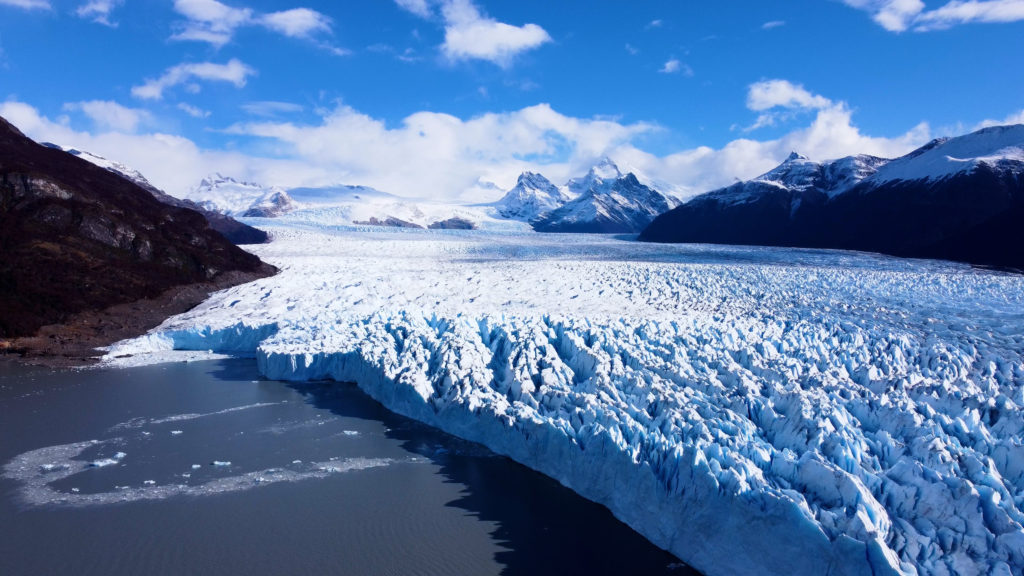
Under the new proposal, provincial authorities would be empowered to define and regulate glacier and periglacial areas — high-altitude ice formations that have traditionally been protected due to their critical role as freshwater reserves. Proponents argue that the current legal framework has led to “arbitrary interpretations” that have deterred long-term investment by mining and energy companies. The government and parts of the mining sector believe clearer, locally defined standards can help attract capital into Argentina’s mineral-rich regions.
Supporters of the reform, including mining industry representatives and some provincial leaders, contend that modern mining techniques can operate without significantly harming the environment and that giving provinces regulatory authority will streamline approvals and reduce legal uncertainty.
However, environmental groups have strongly opposed the changes, warning that weakening glacier protections could threaten water security across Argentina. Critics, including activists from Greenpeace Argentina and former lawmakers involved in drafting the original glacier protection legislation, argue that these ice reserves are indispensable to freshwater supplies and agricultural ecosystems and that any rollback could exacerbate water scarcity issues.
The debate highlights a growing tension in Argentina between environmental conservation and the pursuit of economic development through resource extraction. As the reform moves to the lower house for further debate and voting, it is expected to continue generating public protest and political debate across the country.