
Trump Trade Team Moves to Narrow Scope of Metals Tariffs Amid Business, Market Pushback

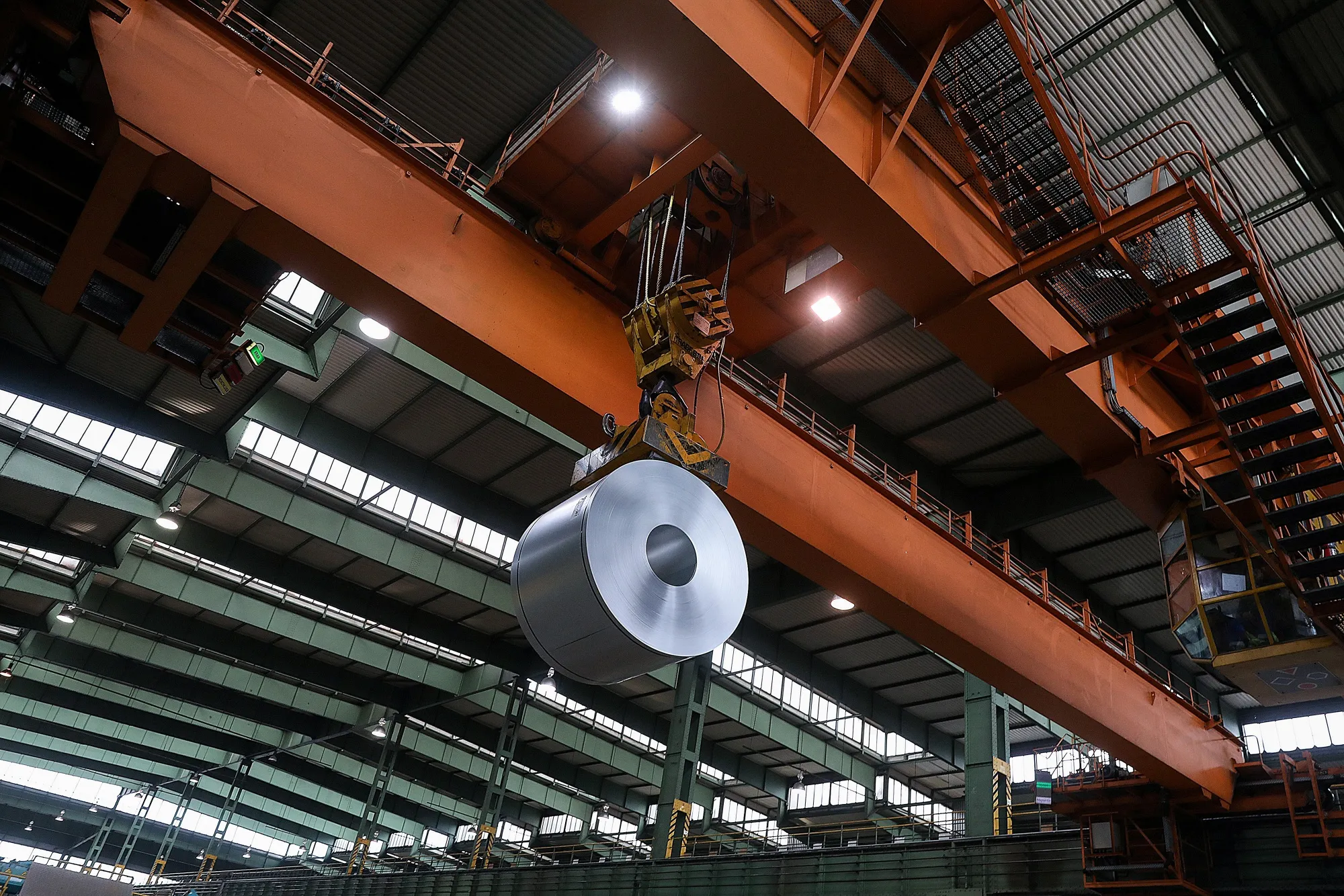
WASHINGTON — The Trump administration is working on plans to narrow the scope of its sweeping tariffs on imported steel and aluminum products, responding to growing complaints from businesses and trade partners that the broad levies have proven difficult to implement and costly for supply chains.
Officials familiar with the discussions say the Office of the U.S. Trade Representative is reviewing the wide range of products covered under the 50 percent Section 232 tariffs imposed last year, particularly derivative items that contain steel and aluminum. Companies and foreign governments have struggled to calculate the metal content in finished goods, creating compliance burdens and legal uncertainty.
The potential shift in policy has also stirred reactions in commodity markets. Aluminum prices fell on global exchanges after reports emerged that the administration might exclude some products from the highest tariff category or redefine how duties are applied.
Treasury Secretary Scott Bessent acknowledged public discussions on the matter but emphasized that any formal decision to alter the tariffs would rest with President Donald Trump. Bessent suggested that changes might take the form of clarifications or narrower carve-outs rather than a full rollback.
A White House statement stressed there would be no changes to the existing tariffs unless the president officially announces them, underscoring the administration’s stated commitment to using trade policy to bolster U.S. manufacturing and national security. Critics have linked the import levies to higher costs for U.S. consumers and businesses ahead of the 2026 midterm elections.