
India Achieves Historic 34.6 GW Growth in Non-Fossil Fuel Capacity in FY26: Economic Survey

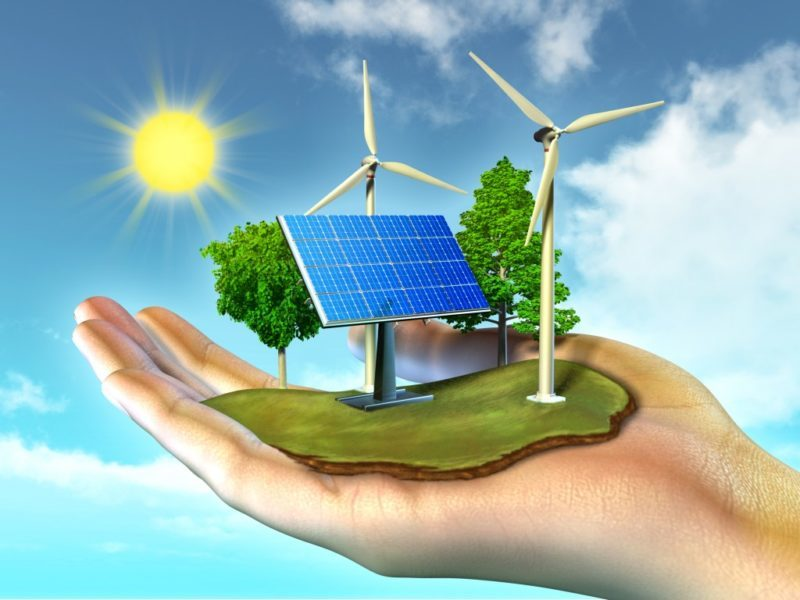
India has achieved a major milestone in its clean energy transition, recording a historic addition of 34.6 gigawatts (GW) of non-fossil fuel power capacity during the current financial year 2025-26, according to the Economic Survey 2026.
The survey highlights that the capacity addition during FY26 is the highest ever in a single year for the non-fossil fuel segment. Solar power led the growth, accounting for the largest share of new capacity additions, followed by wind energy, hydro power, bio-energy, and nuclear power.
With these additions, the share of non-fossil fuel sources in India’s total installed electricity capacity has crossed the 50 per cent mark, reflecting a structural shift in the country’s energy mix. This progress strengthens India’s position among the world’s leading renewable energy producers.
The report notes that India’s renewable energy capacity has expanded more than threefold over the last decade, supported by policy reforms, competitive bidding, and increasing private sector participation. The growth aligns with national climate commitments and long-term energy security goals.
However, the survey also points to challenges such as high upfront capital costs, land acquisition issues, grid integration, and the need for large-scale energy storage solutions to manage the intermittency of renewable power.
The government reaffirmed its focus on accelerating the clean energy transition, stating that sustained investments in renewable generation, transmission infrastructure, and storage systems will be critical to meeting future demand while reducing dependence on fossil fuels.