
Supreme Court Upholds Revised Mining Royalty Regime Following Legislative Amendments

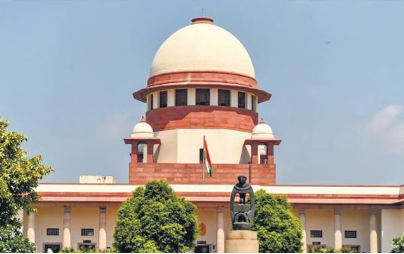
The Supreme Court has upheld the validity of higher mining royalty rates introduced through recent legislative amendments, delivering a significant ruling that could have far-reaching implications for India’s mining sector and state revenues.
The judgment comes after a series of legal challenges from mining companies and industry groups that questioned the revised royalty framework. Petitioners argued that the increased royalty burden would raise operational costs and affect the competitiveness of mining projects across various mineral categories.
In its ruling, the Supreme Court affirmed the government’s authority to revise royalty structures through legislative changes, emphasizing that mineral resources are valuable national assets whose extraction must generate appropriate economic returns for the public. The court held that the amended provisions were within the scope of the law and did not violate constitutional principles.
The decision is expected to strengthen the financial position of mineral-rich states, which rely heavily on royalty collections as a source of revenue. Higher royalty receipts could support infrastructure development, social welfare programs, and environmental management initiatives in mining regions.
Government officials welcomed the ruling, stating that the revised royalty regime reflects the evolving value of mineral resources and aligns with the objective of ensuring equitable sharing of benefits arising from resource extraction. Authorities also noted that royalties play a crucial role in supporting sustainable development and resource governance.
The mining industry, meanwhile, is assessing the financial implications of the judgment. Increased royalty payments may affect operating costs for producers of coal, iron ore, bauxite, limestone, and other key minerals. Companies are expected to review their cost structures and long-term investment plans in response to the decision.
Industry experts believe the ruling provides legal clarity and reduces uncertainty surrounding royalty-related disputes. While higher royalties may place additional pressure on some operators, the judgment establishes a clearer regulatory framework for future mining investments.
Analysts note that global mining jurisdictions frequently revise royalty rates to reflect market conditions, resource values, and policy priorities. India’s latest legal affirmation of revised royalty structures underscores the government’s commitment to maximizing public benefits from the extraction of natural resources.
The verdict is also likely to influence future discussions on mining sector reforms, resource taxation, and revenue-sharing mechanisms. Policymakers may use the ruling as a foundation for further initiatives aimed at balancing industry growth with public interest and environmental stewardship.
With the Supreme Court’s decision now settling a major legal question, mining companies and state governments are expected to focus on implementation and long-term planning under the revised royalty framework. The ruling marks an important chapter in the ongoing evolution of India’s mineral resource governance system.