

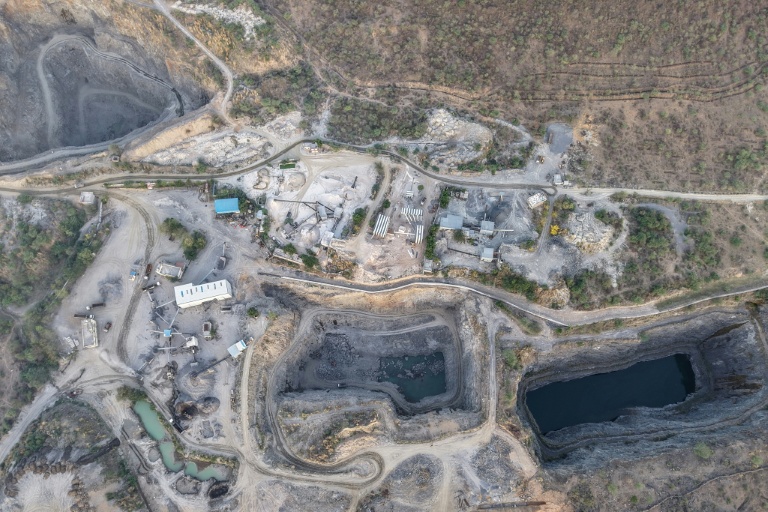
Rapid mining activity across several regions of India is increasingly transforming forested hills and elevated landscapes that once acted as natural barriers against extreme heat, sparking concerns among environmental experts, local communities, and policymakers.
These hills, often covered with vegetation and dense forests, play a crucial role in regulating local temperatures, preserving biodiversity, retaining groundwater, and protecting nearby settlements from the effects of rising heat. However, expanding mining operations for minerals, metals, and industrial resources have led to significant land alteration in some areas, reducing the natural cooling effect provided by these ecosystems.
Environmental researchers warn that the removal of vegetation and excavation of hill formations can accelerate soil erosion, increase dust pollution, and contribute to higher surface temperatures. The degradation of natural landscapes may also affect rainfall patterns, water retention capacity, and the overall ecological balance of surrounding regions.
Mining remains an important contributor to India’s economic growth, supplying raw materials required for infrastructure development, manufacturing, energy production, and emerging technology sectors. Demand for minerals has increased further as the country seeks to strengthen domestic industrial capabilities and support renewable energy initiatives.
However, environmental advocates argue that unchecked extraction activities can create long-term ecological costs if not managed responsibly. They emphasize the need for comprehensive environmental assessments, scientific land restoration practices, and stronger monitoring of mining operations in ecologically sensitive zones.
Communities living near mining areas have reported concerns related to dust generation, reduced vegetation cover, declining water resources, and changes in local climate conditions. In some regions, restoration efforts have been introduced, including afforestation programs, land reclamation projects, and measures to reduce environmental damage after mining operations are completed.
Experts suggest that balancing economic development with environmental sustainability will be critical as India continues to expand mineral production. The adoption of modern mining technologies, stricter environmental compliance standards, and effective rehabilitation of mined land could help mitigate adverse impacts while supporting industrial growth.
The issue has gained greater attention as India experiences increasingly frequent and intense heatwaves linked to climate change. Scientists note that preserving natural landscapes capable of moderating temperatures can play an important role in climate adaptation strategies.
As demand for critical minerals continues to rise, policymakers, industry leaders, and environmental groups are expected to engage in discussions on how to ensure that resource development proceeds without causing irreversible damage to ecosystems that provide essential environmental protection.
The debate highlights the growing challenge of meeting economic and industrial objectives while safeguarding natural assets that contribute to climate resilience and sustainable development.