

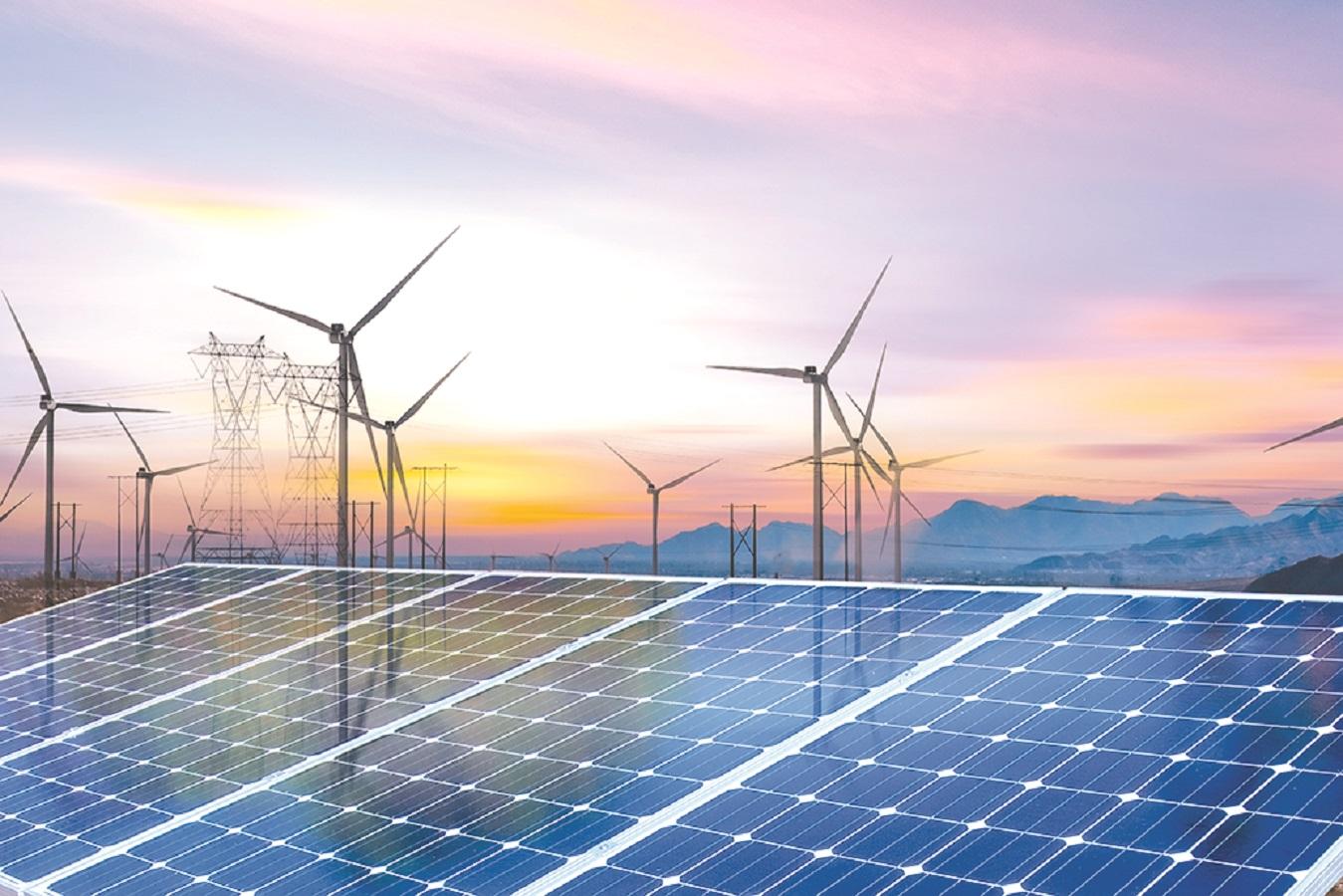
Coal India has strengthened its renewable energy expansion strategy by commissioning a 100 MW solar power project in Gujarat, marking another major step in the company’s transition toward cleaner energy generation.
The solar project has been developed as part of Coal India’s broader diversification plan aimed at reducing dependence on coal and increasing its footprint in India’s rapidly growing renewable energy sector. The company said the plant will contribute clean electricity to the grid while supporting the country’s long-term energy transition goals.
Located in Gujarat, one of India’s leading renewable energy hubs, the solar facility is expected to generate substantial green power capacity and help offset carbon emissions linked to conventional thermal power generation. Officials stated that the project aligns with the Government of India’s ambitious renewable energy targets and sustainability roadmap.
Coal India has been aggressively investing in renewable projects over the past few years as global and domestic pressure grows on fossil fuel producers to adopt cleaner energy solutions. The state-owned mining giant has announced plans to develop several gigawatts of solar and renewable energy capacity across multiple Indian states.
Industry experts say the latest investment reflects the changing strategy of traditional energy companies as India accelerates efforts to expand solar generation, strengthen energy security, and reduce carbon intensity. Gujarat has emerged as a major center for renewable energy investment due to its strong solar infrastructure, favorable policies, and industrial demand.
Despite its diversification into green energy, Coal India remains the country’s largest coal producer and continues to play a critical role in meeting India’s rising electricity demand. However, renewable investments are increasingly becoming central to the company’s future growth strategy as India balances energy security with climate commitments.
Analysts believe large public sector companies like Coal India will play an important role in scaling up renewable infrastructure and supporting India’s target of achieving major clean energy capacity additions over the coming decade.