
Lynas Says US, Europe Regulations Are Driving Buyers Away From Chinese Rare Earths

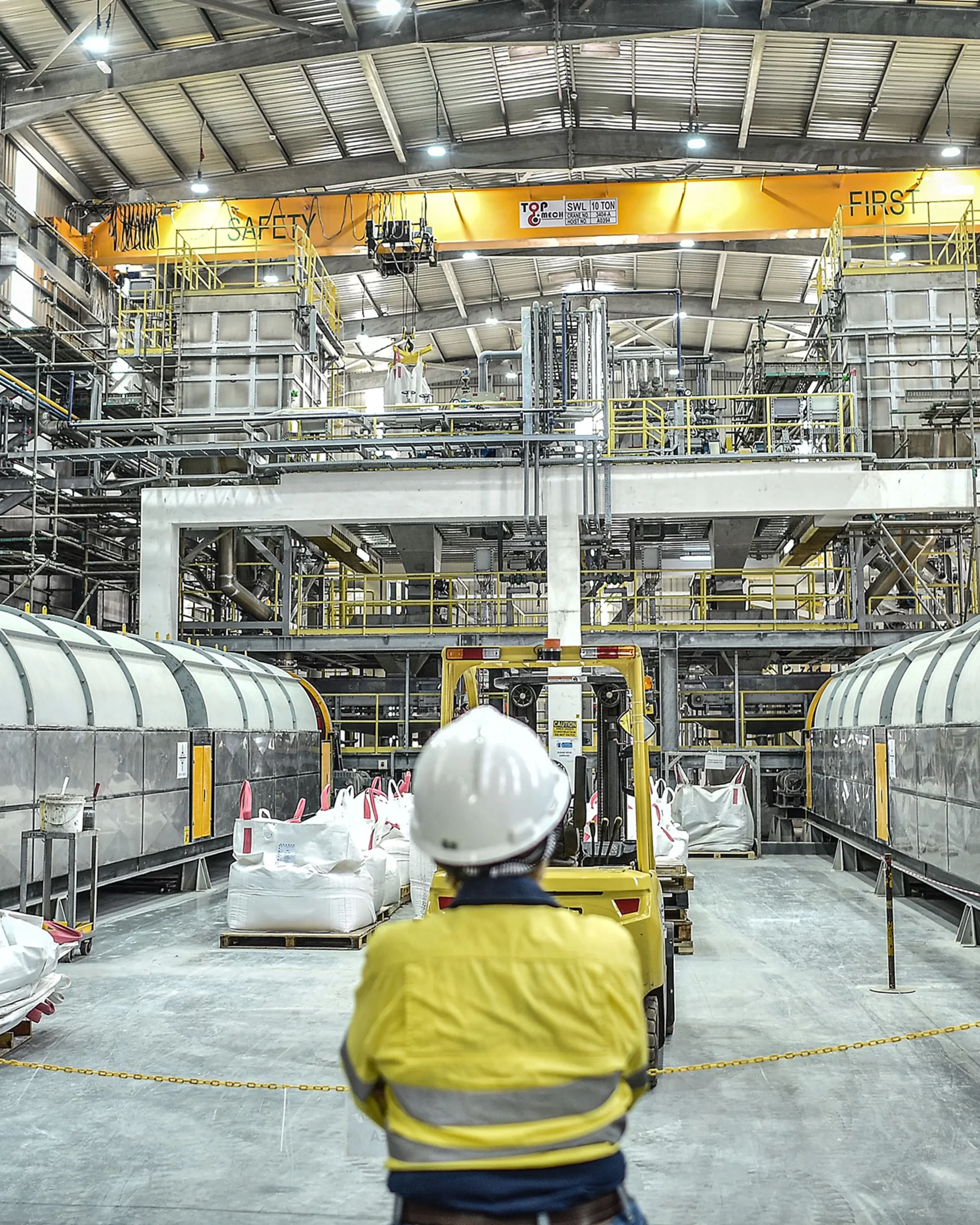
Lynas Rare Earths says new regulations introduced by the United States and Europe are increasingly encouraging global buyers to shift away from Chinese rare earth suppliers and source materials from alternative producers.
Lynas CEO Amanda Lacaze stated that new procurement and sourcing rules in Western markets are already influencing purchasing decisions across industries that rely heavily on rare earth materials, including automotive, defense, renewable energy, and advanced electronics.
China currently dominates the global rare earths industry, accounting for the vast majority of production and processing capacity for the minerals and magnets used in electric vehicles, wind turbines, smartphones, and military technologies. However, Beijing’s export restrictions introduced last year exposed vulnerabilities in global supply chains and accelerated efforts by Western governments to diversify sourcing.
According to Lacaze, the United States is preparing new procurement regulations that will restrict the acquisition of certain magnets, tantalum, and tungsten products linked to Chinese supply chains. At the same time, the European Union is tightening sourcing standards under its Critical Raw Materials framework aimed at strengthening supply-chain security.
Speaking at an event in Canberra, Lacaze said customers are increasingly adjusting their purchasing strategies to comply with the evolving regulations. She added that governments may need to play a more active role in supporting non-Chinese rare earth industries through measures such as strategic reserves and price support mechanisms.
Lynas, headquartered in Perth and operating a major processing facility in Malaysia, is currently the world’s largest producer of separated rare earth materials outside China. The company has become a central player in Western efforts to build alternative supply chains for critical minerals and advanced manufacturing technologies.
Industry analysts say the global race to secure rare earth supply chains is intensifying as artificial intelligence, electric vehicles, clean energy systems, and defense technologies increase demand for critical minerals. Governments across the US, Europe, Japan, and Australia are now investing heavily in domestic processing capabilities and strategic mineral partnerships to reduce reliance on Chinese dominance.