

Support CleanTechnica’s work through a Substack subscription, on Patreon, or on Stripe. Help us produce all of the high-quality, original content we publish week after week despite the challenges of content-scraping AI, antisocial media, inflation, and other hurdles.
- Adani Cement to deploy 410 EV trucks by March 2027 as the 1st Phase plan for cement & clinker movement.
- Deployment commenced at Sanghi Plant in Gujarat.
- 410-truck fleet is projected to reduce over 25,000 tonnes of CO₂ annually.
- Targeting 10% logistics road volume through EV trucks by 2030, with deployment of 2000+ EVs.
- Renewable-powered EV trucks enable zero freight emissions, supporting Scope 3 emission reduction and our net-zero goals.
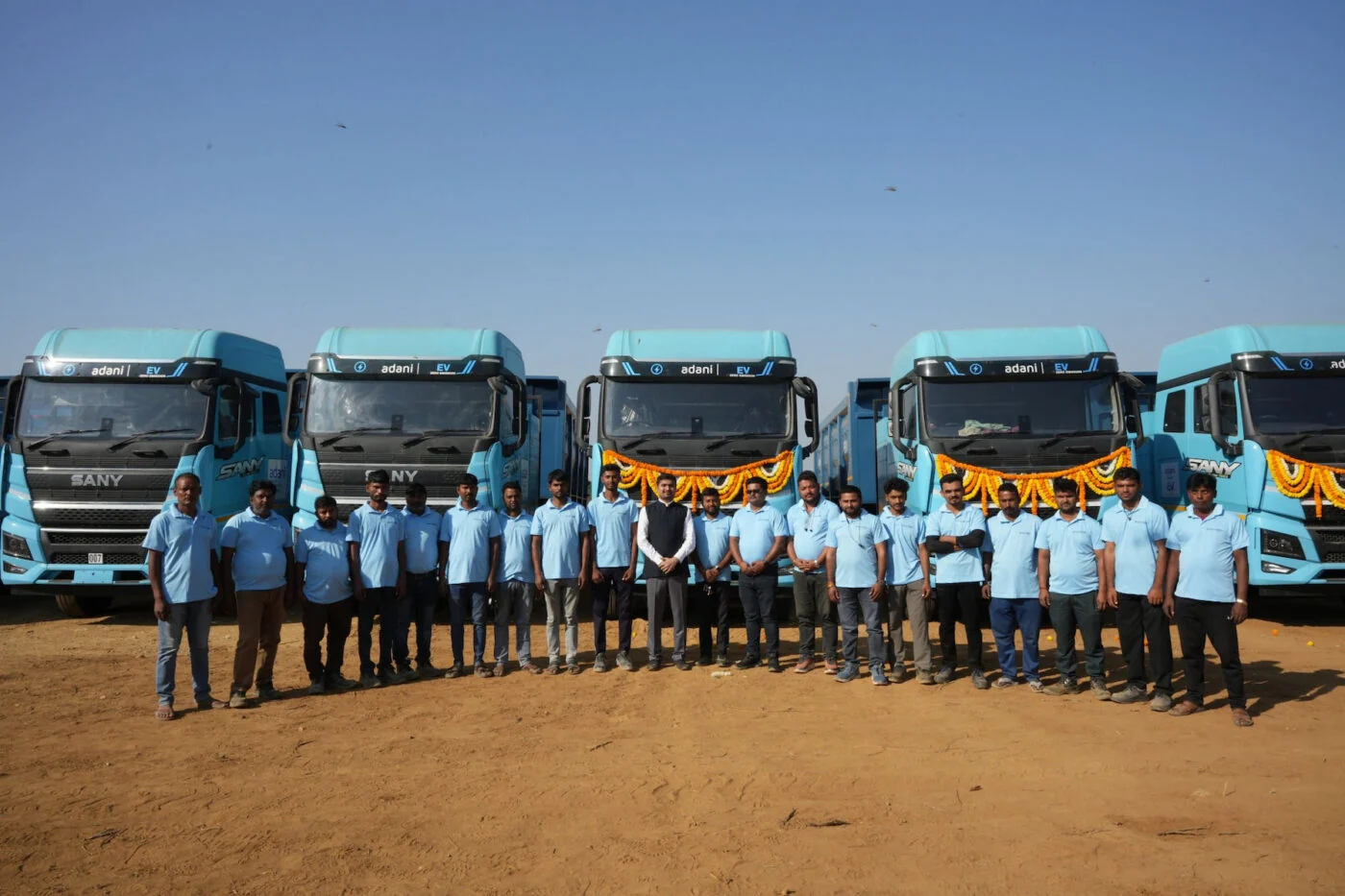
Ahmedabad, India — Adani Cement, part of the Adani Portfolio and one of India’s leading building materials solutions providers, flagged off Heavy-Duty Electric Trucks at its Sanghi Plant in Gujarat. This is the first-ever deployment of EV trucks by Adani Cement and a defining milestone in the company’s sustainability and green logistics journey.
Mr. Vinod Bahety, CEO of Cement Business, Adani Group, said, “The deployment at Sanghi is just the beginning. We have identified multiple routes across India for EV-based transport of clinker and cement. Every truck we electrify reduces our carbon footprint and insulates our logistics cost base from diesel price volatility. This is smart sustainability—it benefits the people, the planet, and the balance sheet. This is our commitment in action—to build a greener, more competitive cement company that serves India’s growth while protecting its future.”
The economic case for heavy-duty EV trucks in India’s cement sector has reached a structural tipping point. Over the past decade, diesel prices rose 60%, while Li-ion battery pack costs fell by approximately 70% and solar tariffs declined 47%.
Diesel trucks emit approximately 0.7375 kg CO₂ per km and when powered by renewable energy, EV trucks can eliminate up to 100% of these freight emissions, making logistics electrification a powerful lever for Scope 3 decarbonization. Adani Cement’s 410-truck fleet is projected to reduce over 25,000 tonnes of CO₂ annually, displacing the equivalent of 11 million litres of diesel per year, with plans to expand across additional routes and plants.
India is the world’s second-largest cement producer, and the movement of limestone, clinker, and finished cement across vast supply chains is an essential, but carbon-intensive, part of the sector’s operations. Adani Cement’s EV fleet deployment addresses both the cost and climate dimensions of this challenge directly.
Sign up for CleanTechnica’s Weekly Substack for Zach and Scott’s in-depth analyses and high level summaries, sign up for our daily newsletter, and follow us on Google News!
Have a tip for CleanTechnica? Want to advertise? Want to suggest a guest for our CleanTech Talk podcast? Contact us here.
Sign up for our daily newsletter for 10–15 new cleantech stories a day. Or sign up for our weekly one on top stories of the week if daily is too frequent.


CleanTechnica uses affiliate links. See our policy here.
CleanTechnica’s Comment Policy